
♥ Wishlist
Compare 46 verified Explore the Best Saw Blades for Every Cutting Job products in United Kingdom. Reviews, ratings, pros, cons and buying advice updated for October 2026.
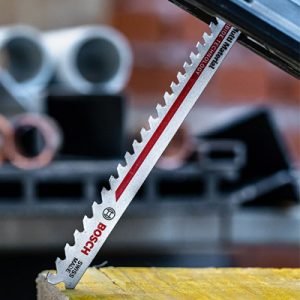
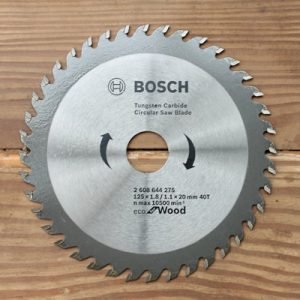

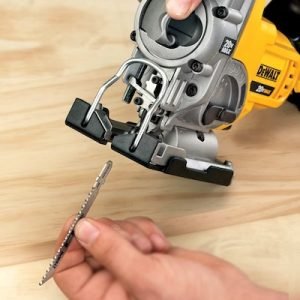
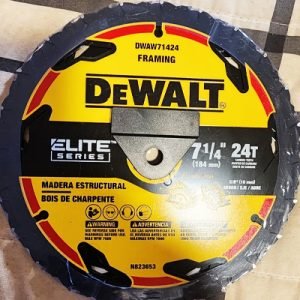
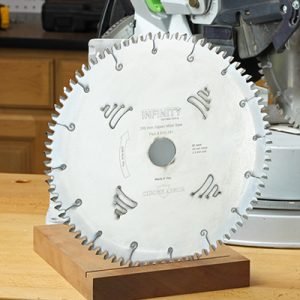





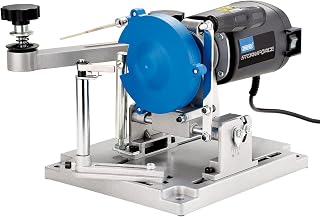


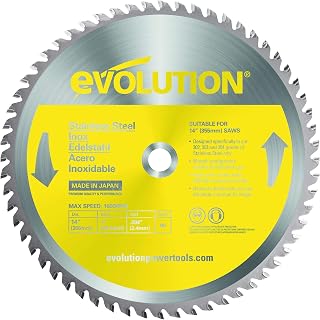


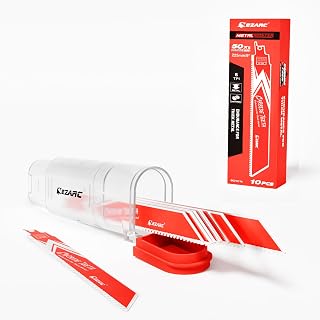


Choosing the best saw blade is less about finding one blade that works for every job and more about matching the blade to the machine, material, cut quality and workload. A blade that performs well on softwood may be unsuitable for laminate, aluminium, hardwood, masonry or sheet materials. Likewise, a blade designed for a circular saw cannot automatically be used on a mitre saw, table saw, jigsaw or reciprocating saw simply because the diameter or tooth count appears suitable.
For a reliable buying decision, start with the tool manufacturer's compatibility requirements, then consider the material you intend to cut, the type of cut required and how frequently the blade will be used. Tooth count, tooth geometry, kerf, blade material, cutting diameter and maximum permitted speed can all affect performance.
This is particularly important when comparing saw blades in the UK because apparently similar products can be designed for very different applications. A blade intended for fast construction cuts may prioritise cutting speed and chip clearance, whereas a fine-finish blade may sacrifice speed for cleaner edges and reduced breakout.
Circular saw blades are available in a wide range of diameters, tooth counts and tooth profiles. They are commonly used with handheld circular saws, mitre saws and table saws, although compatibility must always be confirmed for the specific machine.
For general timber work, a medium tooth-count blade can provide a useful balance between cutting speed and finish. Higher tooth counts are generally associated with finer cuts, while lower tooth counts can allow faster cutting and greater space for sawdust and chips to clear from the cut.
When buying a circular saw blade, check the blade diameter, bore size, permitted rotational speed, kerf and intended material. Do not assume that a blade will fit because its diameter is correct; the arbor or bore specification also needs to match the tool.
Mitre saw blades are selected according to the saw, material and desired finish. Fine-tooth options can be useful where a clean edge is important, particularly for trim, mouldings and other visible timber work. Blades intended for construction work may instead prioritise rapid cutting and efficient chip removal.
For repeated crosscuts, tooth geometry can be just as important as tooth count. A blade that produces a clean crosscut in timber may not be the appropriate choice for ripping, composite boards or non-ferrous metals.
Table saw applications often involve both ripping and crosscutting. A ripping blade is designed around efficient cutting along the grain, while a crosscut blade is intended to produce a cleaner cut across the grain. Combination blades attempt to provide a compromise between the two.
If a table saw is used for several different tasks, a combination blade can be convenient. If the saw is used extensively for one particular operation, selecting a blade specifically designed for that operation can make more sense.
Jigsaw blades differ substantially from circular saw blades and are normally selected according to the material being cut. Timber, metal, plastics and specialist sheet materials can require different blade designs.
Important factors include tooth pitch, blade length, shank type and material. Fine-tooth jigsaw blades can be appropriate for cleaner cuts, while coarser teeth can remove material more quickly. Always confirm that the shank format is compatible with the jigsaw before buying.
Reciprocating saw blades are commonly selected for demolition, construction, pruning and cutting through materials such as timber, metal and plastics. Their flexibility and tooth configuration can be more important than achieving a perfectly finished edge.
For demolition work, a robust blade designed for the material and application is generally more useful than a fine-finish blade. Specialist blades are also available for cutting through timber containing nails or other embedded materials, but the manufacturer's stated application should be checked before use.
Bandsaw blades require careful matching to the machine, wheel configuration, blade length and cutting application. Blade width, thickness, tooth pitch and tooth form can all influence cutting behaviour.
Timber cutting and metal cutting can require substantially different bandsaw blade specifications. Choosing a blade purely by appearance or tooth count without checking the machine's requirements can lead to poor results or incorrect installation.
Traditional hand saws use a different set of considerations, particularly tooth count or teeth per inch (TPI), tooth shape and the intended direction of cut. A coarse blade can remove timber quickly, whereas finer teeth can produce a more controlled finish.
Specialist hand saws may be designed for particular materials or tasks, so it is worth considering the job before choosing a replacement blade rather than simply selecting the highest-rated or most expensive option.
Tooth count is one of the most visible specifications when comparing saw blades, but a higher number of teeth does not automatically mean a better blade.
For circular blades, the total number of teeth needs to be considered alongside blade diameter and tooth geometry. A high tooth count can support finer cutting, but it may remove material more slowly and leave less room for chips to clear. A low tooth count can cut more aggressively, particularly where rapid material removal is desirable.
For hand and reciprocating saw blades, TPI is commonly used to describe tooth density. Fine TPI configurations can suit thinner materials and cleaner cuts, while coarse configurations can be better suited to rapid cutting of thicker material.
Tooth geometry is an important but frequently overlooked specification. Two blades can have the same diameter and tooth count yet behave differently because their teeth are shaped or arranged differently.
Alternate top bevel, commonly abbreviated to ATB, uses teeth with alternating bevel directions. This configuration is widely associated with crosscutting and applications where a relatively clean cut is required.
Flat-top tooth configurations are commonly associated with ripping because the tooth shape can efficiently remove material along the grain. They can also be used in applications where the cutting characteristics of a flat tooth are desirable.
Triple chip grind, or TCG, uses a combination of tooth shapes to distribute cutting duties. It is commonly encountered on blades intended for certain hard or abrasive sheet materials and non-ferrous applications.
Combination blades are designed to balance different cutting requirements rather than specialising exclusively in one operation. They can be useful where one machine is regularly used for both ripping and crosscutting.
Carbide-tipped blades are widely used for power-tool cutting applications. The cutting tips can retain their cutting properties over repeated use, although actual service life depends heavily on the material being cut, operating conditions, blade quality and correct use.
Carbide-tipped blades are available for timber, sheet materials, plastics and other applications. It is important to select a blade whose tooth design and material specification match the intended work rather than treating all carbide-tipped blades as interchangeable.
High-speed steel, or HSS, is used in various cutting applications where hardness and heat resistance are important. HSS blades can be found in specialist applications and should be selected according to the material and machine requirements.
Bi-metal construction combines different metals within the blade to provide a balance of flexibility and cutting performance. This construction is particularly common among reciprocating and bandsaw blades designed for demanding cutting tasks.
When comparing bi-metal blades, do not focus on the material description alone. Tooth pitch, blade thickness, application rating and the manufacturer's recommended material range can be equally important.
Kerf is the width of material removed by the blade during cutting. It is affected by the blade's tooth width and overall construction.
A thinner kerf can reduce the amount of material removed during each cut and may be useful where efficiency or reduced material waste matters. However, thin-kerf blades need to be appropriate for the saw and application. Blade stability, machine compatibility and manufacturer recommendations should take priority over kerf alone.
A thicker blade can provide greater rigidity in some applications, but the relationship between blade thickness, kerf, machine power and intended use needs to be considered as a complete system.
One of the most useful distinctions when buying a timber saw blade is whether the blade will primarily rip or crosscut.
Ripping means cutting along the grain of timber. The cutting process can generate substantial quantities of waste material, making effective chip clearance important. Blades intended for ripping can therefore use fewer teeth and larger gullets than fine crosscut blades.
Crosscutting means cutting across the grain. A finer tooth arrangement and appropriate tooth geometry can help produce a cleaner cut. This can be particularly important for visible edges, joinery components and finished timber.
If a single saw is used for both operations, a combination blade can reduce the need to change blades regularly. The trade-off is that a combination blade may not provide the same specialised performance as a dedicated ripping or crosscutting blade.
Softwood generally does not require the same cutting configuration as dense hardwood or abrasive sheet materials. For general construction work, cutting speed may be prioritised. For visible joinery, a blade designed for a cleaner finish may be preferable.
Hardwood can place greater demands on the cutting edge. Blade quality, tooth geometry, tooth count and appropriate feed speed become especially important. Avoid assuming that a general-purpose timber blade is automatically suitable for every hardwood.
Plywood can splinter or chip depending on the blade and cutting direction. A blade designed for cleaner sheet-material cuts can be preferable when the finished edge will remain visible.
MDF produces fine dust and can be abrasive to cutting edges. Blade selection should therefore take both the desired finish and the material's characteristics into account. Dust extraction and appropriate respiratory protection are also important considerations when working with MDF.
Decorative surfaces can be vulnerable to chipping and breakout. A suitable fine-tooth blade and correct cutting setup can help improve edge quality, but the manufacturer's recommended blade specification remains the best reference for specialist materials.
Plastics vary considerably in hardness, thickness and behaviour when heated. A blade that is appropriate for one type of plastic may not be ideal for another. Check the blade manufacturer's material recommendations and avoid excessive cutting heat.
Non-ferrous metal cutting requires a blade specifically rated for the application. A normal timber blade should not be treated as a suitable substitute. Tooth geometry, rake angle, lubrication requirements and machine compatibility can all be important.
Steel cutting requires blades designed for ferrous metals and for the specific machine being used. Abrasive cutting discs, toothed blades and specialist metal-cutting blades have different operating requirements, so the correct accessory should always be selected according to the tool and material.
Masonry, concrete, brick and similar materials require specialist cutting accessories rather than conventional timber saw blades. Diamond cutting products and other specialist systems have their own operating instructions and safety requirements.
Blade diameter is a fundamental compatibility specification. The blade must be suitable for the machine's intended diameter range, and the bore must match the saw's arbor arrangement.
Never select a replacement blade solely because it looks physically close to the original. The correct diameter, bore, mounting configuration and maximum permitted speed should all be checked against the tool's instructions.
Adapters or reducing rings may be used with some blade systems, but only where the saw and blade manufacturer permits their use. An improvised or unsuitable mounting arrangement can create a serious safety risk.
Every power-tool blade should be used within the manufacturer's specified operating limits. The maximum blade speed should be compatible with the machine's operating speed.
This is particularly important when moving a blade between different machines. A blade that fits mechanically may still be unsuitable if its rated speed, application or mounting requirements do not match the tool.
Before purchasing, compare the following specifications:
Rake angle influences how aggressively a tooth enters the material. Positive rake configurations can provide more aggressive cutting characteristics, while more neutral or negative configurations can be appropriate for certain machines and materials.
The correct rake depends on the blade and tool combination. Mitre saws, table saws and specialist cutting machines can have different requirements, so rake angle should not be assessed independently from the manufacturer's guidance.
The spaces between teeth are known as gullets. They help accommodate and clear material removed during cutting.
Larger gullets can be advantageous for rapid material removal because they provide more space for chips and sawdust. Smaller gullets are often found on fine-tooth blades where a smoother cutting action and greater tooth density are desired.
If a blade's tooth count appears attractive but the gullet configuration is unsuitable for the intended material, the resulting performance may be disappointing. Tooth shape and gullet design should therefore be considered together.
Blade performance is influenced by more than the number of teeth. Manufacturing accuracy, tooth consistency, blade plate construction, tooth attachment and overall geometry can all affect cutting behaviour.
A high-quality blade should still be used correctly. Even a specialist blade can produce poor results if it is blunt, incorrectly installed, used at an inappropriate speed or forced through material too quickly.
For commercial investigation, compare the complete specification rather than relying on a product's marketing description. Terms such as professional, premium, heavy-duty or high-performance should be assessed alongside the actual blade dimensions, materials, tooth configuration and intended applications.
Some saw blades use surface treatments or coatings intended to influence friction, corrosion resistance or cutting performance. The precise benefit depends on the blade construction and application.
A coating should not be treated as a substitute for correct tooth geometry or suitable blade material. When comparing two otherwise similar blades, consider the full specification and intended use rather than selecting a product simply because it advertises a particular coating.
Several established tool and cutting-accessory manufacturers are commonly encountered when shopping for saw blades in the UK. These include Bosch, Makita, DeWalt, Milwaukee, Festool, Evolution, Freud, Diablo, Bahco and Irwin.
Brand familiarity can be useful when comparing replacement accessories, but it should not be the only deciding factor. Different manufacturers offer blades for different machines, materials and applications, and a particular range can contain both general-purpose and highly specialised products.
When comparing brands, examine the actual specification of the blade you need. Check compatibility, tooth configuration, material rating, dimensions and manufacturer instructions before treating brand reputation as evidence that a particular blade is suitable for your project.
The cheapest blade is not necessarily the best value, particularly when a poor-quality or unsuitable blade produces rough cuts, requires more finishing work or needs replacing sooner than expected. Equally, the most expensive blade is not automatically the right choice for occasional DIY use.
Budget blades can make sense for infrequent work where cutting speed and ultimate edge quality are less important. A more specialised blade can be worth considering when clean cuts, repeated use, difficult materials or consistent results are priorities.
For frequent professional use, consider the total cost of ownership rather than the initial purchase price alone. Relevant factors can include expected service life, sharpening or replacement requirements, cutting speed, finish quality and the cost of wasted material.
A specialist blade becomes more attractive when the material or cutting task has a specific requirement that a general-purpose blade cannot handle efficiently.
Tooth count is only one part of blade design. Tooth geometry, diameter, gullet size, material and intended application can be equally important.
A blade with the correct diameter can still be incompatible if the bore or mounting arrangement is incorrect.
General-purpose blades have their place, but timber, metal, plastic, laminate and masonry can require substantially different cutting accessories.
The blade's maximum permitted speed must be compatible with the tool. Never assume that a physically compatible blade is automatically speed-rated for the machine.
Very fine teeth can provide a clean cut but may not be the most efficient choice for rapid material removal or thick stock.
A coarse blade can be useful for fast cutting, but it may produce a less refined edge and can be unsuitable where finish quality is important.
A blade marketed for timber should not automatically be used on metal, masonry or another material simply because it fits the machine.
Different saws can have specific blade requirements relating to diameter, kerf, bore, tooth configuration and speed. Always check the tool documentation before installing an unfamiliar blade.
A blade does not necessarily need replacing after a fixed number of cuts. Service life varies according to material, frequency of use, cutting technique, blade construction and maintenance.
Warning signs can include increasingly rough cuts, visible tooth damage, excessive burning or heat, unusual vibration, greater cutting resistance and a noticeable deterioration in performance.
Do not continue using a blade with damaged, cracked, missing or otherwise compromised components. The manufacturer's guidance should be followed for inspection, removal, replacement and disposal.
Some blades can be professionally sharpened, particularly certain higher-quality carbide-tipped blades. Whether sharpening is economical depends on the blade construction, condition, tooth damage and local sharpening service.
Sharpening should restore the intended tooth geometry rather than simply making the teeth appear sharp. Incorrect sharpening can alter tooth angles or dimensions and affect the blade's performance.
For inexpensive blades, replacement may be more practical. For specialist or higher-value blades, professional sharpening may extend useful service life where the manufacturer permits it.
Proper maintenance can help preserve cutting performance and reduce avoidable damage. After use, inspect the blade for resin, dust, pitch, damaged teeth and other contamination.
Timber resin and accumulated material can affect cutting performance. Cleaning methods should be compatible with the blade and its coatings or materials.
Avoid aggressive cleaning methods that could damage carbide tips, coatings, the blade plate or other components. Where the manufacturer provides cleaning instructions, those instructions should take precedence.
Burn marks do not necessarily mean that the blade itself is defective. Burning can result from a blunt blade, incorrect tooth configuration, excessive feed pressure, inadequate chip clearance, material movement or other cutting conditions.
If a blade begins producing burn marks, inspect the blade and machine rather than immediately buying another product. Check whether the blade is clean, correctly installed and appropriate for the material. Also consider whether the cutting technique and machine setup are contributing to excess friction.
Rough cuts can have several causes. The blade may be inappropriate for the material, blunt, damaged or incorrectly installed. Machine setup, material movement, cutting direction and feed rate can also influence the result.
When comparing a new blade, look beyond the advertised tooth count and identify whether its intended application corresponds with the cut you are trying to achieve.
When cutting timber and sheet materials, edge breakout can be affected by blade geometry, tooth count, material support and cutting direction. A blade designed for a cleaner finish may reduce the amount of finishing work required.
Supporting the workpiece correctly can also matter. The material should be secured appropriately for the machine and operation, and the cutting technique should follow the tool manufacturer's instructions.
For finished surfaces, test the chosen blade on an offcut where practical. This can reveal whether the blade produces the required finish before valuable material is cut.
DIY users often benefit from choosing blades according to the actual projects they undertake rather than buying a large collection of specialist accessories.
If your work mainly involves ordinary timber construction, a suitable general-purpose blade may cover many tasks. If you regularly work with furniture panels, laminate, hardwood or other specialist materials, dedicated blades can provide more appropriate cutting characteristics.
For occasional DIY use, prioritise compatibility, safe operation, sensible versatility and the ability to obtain the required finish. There is little value in paying for highly specialised performance that will rarely be used.
Professional users should consider consistency, productivity and total operating cost alongside purchase price. A blade that performs predictably across repeated jobs can be more valuable than one chosen solely because its initial price is low.
For trade work, it can also make sense to keep different blades available for different materials and cutting operations. This reduces the temptation to use an inappropriate general-purpose blade when a specialist accessory would produce a better result.
Professional buyers should also pay close attention to manufacturer specifications, machine compatibility and replacement planning, particularly where a particular saw is used frequently.
A useful comparison should be based on specifications that directly affect your application rather than marketing language.
Customer reviews can be useful, but they are most valuable when read alongside the manufacturer's specification. Look for comments that describe the actual material, machine and type of work involved.
A review stating that a blade was excellent for cutting softwood does not necessarily establish that it will perform equally well on hardwood, MDF or aluminium. Likewise, comments about longevity can vary dramatically depending on frequency of use and material.
Prioritise reviews that provide useful context, such as the saw used, material cut, cutting frequency and type of finish achieved. Be cautious about treating a large number of short ratings as a substitute for detailed technical information.
Saw blades are cutting accessories and should be treated as safety-critical components of the machine. Always follow the instructions supplied with the saw and blade, including requirements relating to guards, mounting, speed, workpiece support and personal protective equipment.
Disconnect or isolate the machine according to the manufacturer's instructions before changing a blade. Check that the blade is installed correctly and securely before operation.
Never use a blade that is cracked, damaged, distorted or missing teeth where the manufacturer considers that condition unsafe. Do not remove or defeat machine guards or other safety features to accommodate a blade.
Suitable eye and hearing protection may be required depending on the machine and working environment. Dust extraction and appropriate respiratory protection should also be considered where cutting generates hazardous or irritating dust.
Rather than buying multiple blades without a clear purpose, build a selection around the materials and machines you actually use.
The exact selection should depend on the machines you own. There is no advantage in purchasing blades for a tool or material that you never use.
Value is best judged by performance over the blade's useful life rather than purchase price alone. A blade that produces the required finish with fewer interruptions may be more useful than a cheaper blade that needs frequent replacement or creates additional finishing work.
Correct storage, suitable cleaning, proper installation and using the blade only for its intended material can also help avoid premature damage. Selecting the correct blade in the first place is often more effective than trying to compensate for an unsuitable blade through cutting technique.
There is no single best blade for every DIY project. A suitable general-purpose blade can be a practical starting point for users who mainly cut ordinary timber, but the correct choice depends on the saw, material and required finish.
No. Higher tooth counts are generally associated with finer cutting, but they can reduce cutting speed and provide less space for chip clearance. Tooth geometry, blade diameter and application are equally important.
The appropriate number depends on the blade diameter, material and desired cut. Coarser configurations can suit fast ripping and construction work, while finer configurations can be preferable for cleaner cuts.
Choose a blade specifically suited to hardwood and the type of cut required. Consider tooth geometry, tooth count, blade construction and the manufacturer's stated material applications rather than relying on the word hardwood alone.
A blade designed for sheet materials and a clean finish can be a sensible choice for plywood, particularly where edge breakout matters. The appropriate tooth configuration depends on the plywood and machine.
You should not assume that a timber blade is suitable for metal. Use a blade specifically rated for the particular metal and compatible with the machine and operating conditions.
No. The blade must meet the mitre saw manufacturer's requirements for diameter, bore, speed, kerf and application. Physical fit alone does not establish compatibility.
A ripping blade is designed primarily for cutting along the grain, while a crosscut blade is designed for cutting across it. Their tooth geometry and chip-clearance characteristics can therefore differ.
They can be worthwhile when you need consistent performance, specialist cutting characteristics or frequent use, but the most expensive option is not automatically the best choice. Match the specification to the workload.
There is no universal lifespan. Service life depends on blade construction, material, cutting frequency, operating technique, maintenance and whether the blade is used within its intended application.
It depends on the blade and its condition. Some quality blades can be professionally sharpened, while replacement may be more economical for inexpensive or heavily damaged blades.
Burning can be caused by a blunt or dirty blade, unsuitable tooth configuration, excessive friction, incorrect feed technique, material movement or other machine and cutting conditions. Inspect the complete setup before assuming the blade needs replacing.
Vibration can have several causes, including incorrect installation, a damaged blade, unsuitable blade specification or a machine-related issue. Stop using the equipment if abnormal vibration occurs and follow the manufacturer's inspection and safety instructions.
Kerf is the approximate width of the cut created by the blade. It is influenced by the blade's tooth width and construction and should be compatible with the saw and intended application.
TPI means teeth per inch. It is commonly used when describing hand and reciprocating saw blades. A higher TPI generally indicates finer tooth spacing, while a lower TPI indicates coarser teeth.
ATB stands for alternate top bevel. It describes a tooth configuration in which the bevel alternates between teeth and is commonly used for cutting applications where a relatively clean edge is required.
A combination blade is designed to handle more than one common cutting operation, typically providing a compromise between ripping and crosscutting. It can be convenient for users who want one versatile blade rather than several specialist options.
A recognised manufacturer can provide useful technical documentation and a broad range of application-specific products, but brand name alone does not determine suitability. Always compare the individual blade's specifications with your machine and material.
Depending on the type of blade and tool, shoppers may encounter brands such as Bosch, Makita, DeWalt, Milwaukee, Festool, Evolution, Freud, Diablo, Bahco and Irwin. Compare individual products by specification and intended use rather than selecting a brand without checking compatibility.
Compare specifications from established tool retailers, specialist suppliers and authorised dealers, then check current prices, delivery information and customer feedback before purchasing. For specialist or safety-critical accessories, make sure the product documentation is clear and that the seller provides sufficient information to verify compatibility.
The best saw blade for your needs is the one whose specification matches the machine, material and cutting task. A high tooth count is not automatically superior, a premium price does not guarantee suitability, and a familiar brand does not remove the need to check compatibility.
For the most reliable comparison, start with the saw manufacturer's requirements, identify the material you will cut most frequently, then select the appropriate blade diameter, bore, speed rating, tooth configuration and construction. After that, consider finish quality, expected workload, maintenance and overall value.
Whether you are a DIY user, woodworker, joiner, builder or professional tradesperson, choosing the blade around the job rather than around a generic "best" label is the most useful way to narrow the options. Compare the specifications carefully, read verified customer feedback in context, check today's prices from trusted retailers and follow the manufacturer's instructions before purchasing and using any blade.