

Best Abrasive Accessories for Sanding, Grinding & Polishing Products online UK (United Kingdom)
Explore our real-time updated product directory index curated for performance, verified star metrics, and historical consumer trust rankings.





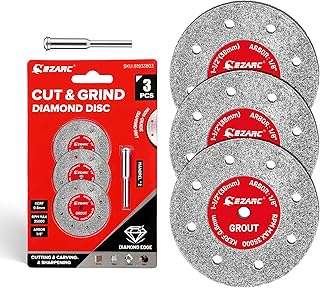


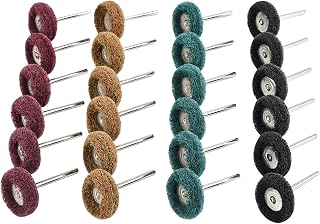


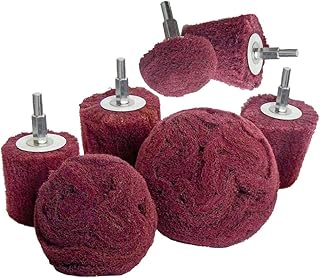
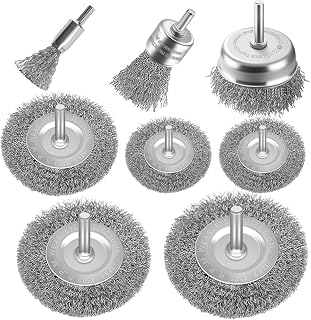


Abrasive accessories are attachments and consumables designed to remove material, smooth surfaces, clean coatings, prepare substrates or create a polished finish. Depending on the accessory, they can be used with angle grinders, drills, rotary tools, die grinders, sanders and other compatible power tools. Choosing the correct abrasive accessory can make a significant difference to cutting speed, surface finish, control and the overall efficiency of a job.
This category covers a broad selection of abrasive solutions for UK DIY users, tradespeople, makers and workshop applications. Common options include abrasive cutting discs, sanding belts, flap wheels, sanding discs, stripping wheels, mounted grinding stones, wire brushes and polishing accessories. Some products are designed for aggressive stock removal, while others are intended for finer finishing, cleaning or surface preparation. Before buying, consider both the task and the material being worked.
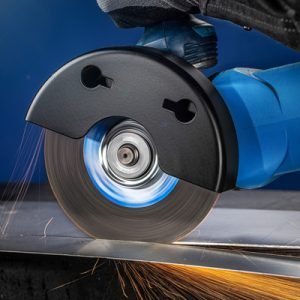
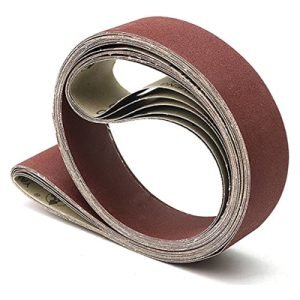
Abrasive cutting discs are designed for cutting applications where a thin abrasive wheel is required. Always check the disc diameter, bore size and tool compatibility before use. Sanding belts are commonly used with belt sanders and can be useful for smoothing wood, shaping surfaces and preparing materials for finishing. They are available in different dimensions and abrasive grades, so matching the belt to the machine and job is essential.
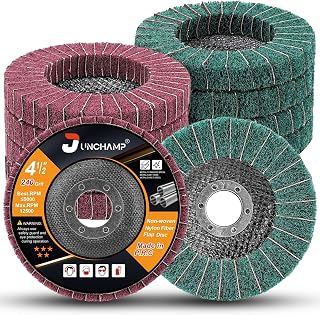
Flap wheels and flap discs combine multiple abrasive flaps to provide controlled material removal and surface finishing. They are particularly useful for blending, deburring, removing surface oxidation and preparing metal. Wire brushes and stripping wheels offer another approach to cleaning and preparation, helping remove rust, loose coatings, paint and other unwanted material from suitable surfaces.
For detailed work, mounted grinding points, abrasive stones and rotary-tool accessories can provide access to smaller or harder-to-reach areas. Polishing and buffing accessories are better suited to finishing applications where the objective is to improve surface appearance rather than remove large amounts of material.
The best abrasive accessory depends on several factors. Start by identifying the material, such as wood, mild steel, stainless steel, aluminium, plastic or another suitable substrate. Next, decide what you need to achieve: cutting, grinding, sanding, stripping, deburring, cleaning or polishing. The required finish will then help determine the abrasive grade and accessory style.
Compatibility is equally important. Check the manufacturer's specifications for your power tool and compare them with the accessory's diameter, bore, shank size, mounting method and maximum permitted speed. A product intended for a rotary tool should not automatically be assumed to be suitable for an angle grinder or drill. Correct fitting and operation are essential for safe and effective use.
Grit indicates the relative coarseness or fineness of many abrasive products. In general, a lower grit number represents a coarser abrasive that removes material more quickly, while a higher grit number provides a finer finish. Coarse grades can be useful for initial shaping, paint removal or heavier sanding, whereas finer grades are typically selected for smoothing and finishing.
Using progressively finer abrasives can help produce a more consistent surface. For example, a project may begin with a coarse abrasive to remove unwanted material before moving through medium and fine grades to refine the finish. The ideal sequence depends on the material, starting condition and desired result.
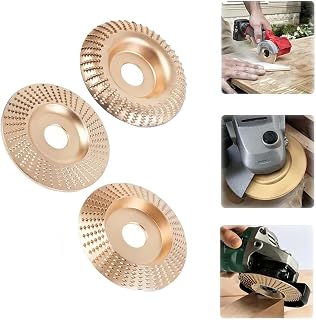
Different materials require different approaches. Woodworking applications may benefit from sanding belts, sanding drums, flap wheels and abrasive discs selected for the required level of stock removal and finish. Metalworking tasks can involve grinding, deburring, rust removal, weld preparation and polishing, with flap abrasives, mounted points and wire brushes offering different levels of control.
Some abrasive accessories are marketed for multiple materials, but compatibility should always be checked rather than assumed. Stainless steel, aluminium, painted surfaces and delicate materials may have specific requirements. Using an abrasive intended for a particular application can help reduce unwanted marking, overheating or premature wear.
Although these terms are often used together, the applications are different. Grinding generally focuses on removing material or shaping a surface. Sanding is commonly used to smooth, refine or prepare a surface. Polishing is normally a finishing process intended to improve smoothness or appearance. Cleaning and stripping accessories sit between these uses, removing rust, paint, oxidation or other surface contamination.
Begin with the tool you already own and identify its accepted accessory format. For a rotary tool, check the shank diameter and accessory mounting system. For an angle grinder, verify the disc diameter, bore and speed rating. For a belt sander, confirm the belt width and length. Quick-change systems should also be checked for the correct backing or attachment mechanism.
It is also worth considering whether you need individual abrasives or a multi-piece kit. Kits can be useful when a project involves several stages or when you want different grit grades available for testing and finishing. Individual products may be preferable when you already know the exact abrasive type and specification required.
Abrasive accessories can operate at high speeds and should be used only with compatible equipment and according to the manufacturer's instructions. Inspect accessories before use and do not use products that are damaged, excessively worn or otherwise unsuitable. Wear appropriate personal protective equipment, including suitable eye protection, and consider hearing and respiratory protection where the application creates significant noise or dust.
Keep abrasive products dry and store them appropriately to help preserve their condition. Avoid exceeding the accessory's specified operating speed and make sure the attachment is securely fitted before starting the tool. When working with dust-producing materials, suitable extraction and ventilation can also help create a cleaner working environment.
Whether you are removing rust from metal, preparing wood for finishing, smoothing an edge, cleaning a surface or working towards a polished finish, selecting the correct abrasive accessory is an important part of the job. Compare the abrasive type, grit, dimensions and mounting specification carefully to find an option suited to your tool and application.
Find abrasive accessories for a wide range of sanding, grinding, polishing, deburring and surface-preparation tasks. From sanding belts and flap wheels to abrasive discs, mounted points, wire brushes and polishing accessories, this category brings together practical attachments for DIY, workshop, woodworking, metalworking and finishing applications. Choose the right abrasive by matching the accessory type, grit, dimensions, mounting system and intended material to your project.