

♥ Wishlist
Compare 54 verified Makita Saw Blade products in United Kingdom. Reviews, ratings, pros, cons and buying advice updated for October 2026.


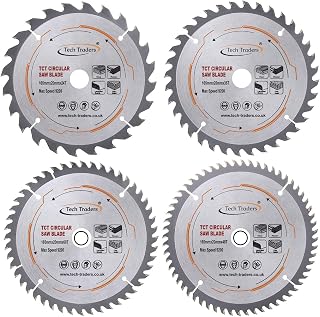


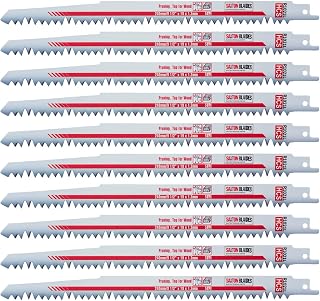
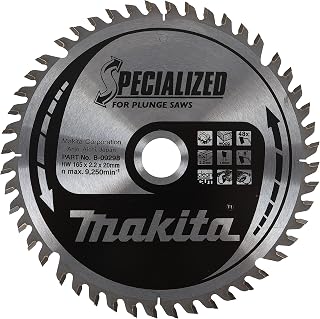


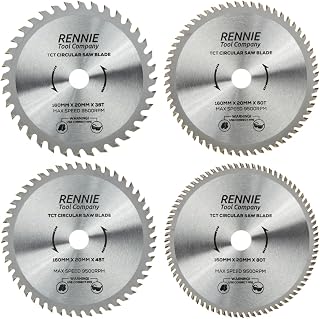


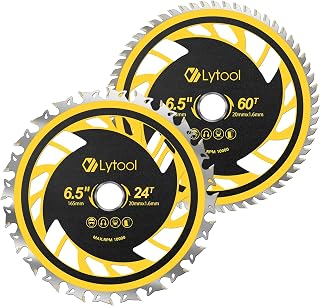
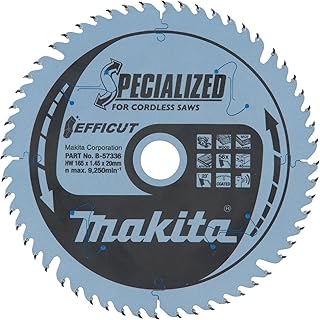


Choosing a Makita saw blade is not simply a matter of selecting the blade with the highest tooth count or the most premium-looking specification. The correct choice depends on the saw, the material being cut, the type of cut required and the balance between cutting speed, finish quality and blade life. A blade designed for rapid timber cutting can behave very differently from one intended for fine finishing, sheet material or specialist applications.
Before buying, treat compatibility as the first filter. Check the saw model, blade diameter, bore size, maximum permitted blade dimensions and any manufacturer requirements stated for the machine. A blade that appears physically similar to the original can still be unsuitable if its dimensions or operating characteristics do not match the saw.
Blade diameter determines whether a blade is suitable for a particular saw, while the bore is the central mounting hole that locates the blade on the arbor. These dimensions should be checked against the saw manufacturer's specifications rather than estimated from appearance.
Tooth count is one of the most visible specifications on a saw blade, but more teeth do not automatically mean a better blade. In broad terms, a lower tooth count can favour faster, more aggressive cutting, while a higher tooth count can produce a cleaner finish when the application and blade design are appropriate.
The important distinction is that tooth count should be considered alongside tooth geometry, kerf, material, rake characteristics and the construction of the blade. Two blades with the same number of teeth can therefore deliver noticeably different results.
The shape and arrangement of the teeth can be just as important as the number of teeth. Common tooth profiles are designed to influence how the blade enters the material, clears waste and leaves the cut surface.
When comparing Makita saw blades, look beyond the headline tooth count. A blade's geometry can affect cutting behaviour, resistance, finish, chip evacuation and suitability for particular materials. This is particularly important when choosing between blades intended for construction work and blades designed for finer woodworking.
Kerf refers to the width of material removed by the blade. It affects the amount of material converted into sawdust and can influence cutting resistance. A narrower kerf can be attractive where reduced material removal and efficient cutting are priorities, but the correct kerf depends on the saw and the application.
For cordless equipment, cutting efficiency can be especially relevant because the interaction between blade design, material resistance and the saw's available power can influence how the machine feels during use. This does not mean that the narrowest possible blade is always the best choice. Compatibility, stability and the manufacturer's specified blade requirements remain more important.
Thin-kerf designs can remove less material with each pass and may be useful for applications where efficient cutting is desirable. They can also alter the feel of the cut, so they should be selected only when appropriate for the particular saw.
Do not choose a thin-kerf blade solely because it appears more efficient. Verify that the blade is intended for the machine and application, particularly when using a high-powered corded saw or a specialised cutting setup.
The material being cut should be one of the strongest influences on your decision. Timber, plywood, MDF, laminated boards and other sheet materials place different demands on a blade. A general-purpose blade may be convenient for mixed work, but a dedicated blade can be preferable when the material or finish requirement is more demanding.
For ordinary timber work, prioritise a blade designed for the type of cut you make most frequently. If the job involves rapid sizing of construction timber, cutting speed may matter more than an exceptionally fine finish. If the cut will remain visible, a blade intended for cleaner cutting may be more appropriate.
Also consider whether you predominantly cut with or across the grain. The cutting characteristics required for ripping can differ from those desirable for cross-cutting, making a task-specific blade more useful for regular woodworking.
Plywood can present a different challenge because its layered construction can make breakout and surface damage more noticeable. If clean edges are important, consider a blade designed for finer cuts and compare the manufacturer's stated application guidance rather than relying solely on tooth count.
MDF produces substantial fine dust and can be demanding on cutting edges. Blade selection should therefore take account of the intended application, cutting frequency and desired finish. Efficient dust extraction remains important regardless of blade choice.
Laminated boards can be more sensitive to chipping or breakout on the visible face. A suitable fine-cutting blade may be preferable where edge quality matters, but the exact choice should reflect the board construction and the saw being used.
Do not assume that a blade suitable for ordinary timber is suitable for every wood-based or composite product. Manufactured boards can contain adhesives, coatings or other materials that alter cutting behaviour. Always check the blade manufacturer's stated applications before using a blade on unfamiliar material.
Many modern circular saw blades use carbide-tipped teeth because carbide can provide a durable cutting edge suitable for repeated cutting applications. The quality and design of the tooth, however, still matter. Simply seeing the words “carbide tipped” does not provide enough information to determine whether a blade is right for a particular task.
For buyers comparing premium and budget options, examine the intended application, tooth geometry, construction and manufacturer specifications rather than treating carbide construction as a guarantee of superior results in every situation.
The body of the blade needs to remain stable during cutting, while the teeth need to maintain an effective cutting edge. Features such as expansion slots, stabilising elements and the overall construction can influence vibration, noise and cutting behaviour.
Where a blade specification includes design features intended to control heat, vibration or expansion, consider them in relation to the work you actually perform. A feature that is valuable for prolonged cutting may offer less practical benefit for occasional DIY use.
DIY buyers often need one blade that handles a range of ordinary tasks. In that situation, a well-matched general-purpose blade can make more sense than purchasing several highly specialised blades that will rarely be used.
Professionals should consider the total cost of ownership rather than simply the purchase price. A blade that is inexpensive initially may not be the most economical option if it is poorly matched to the work, produces unacceptable finishes or requires frequent replacement.
For regular woodworking, it can be sensible to maintain different blades for rough sizing, general-purpose work and fine finishing. This avoids forcing one blade to perform every task and can make it easier to select the appropriate cutting characteristics for each job.
On construction sites, versatility and predictable cutting can be particularly valuable. A general-purpose blade may be useful for routine timber work, while a dedicated blade can be kept available for applications where the finish or material requires something more specialised.
Workshop users can generally afford to be more selective because the work is often more controlled. If appearance matters, compare blades according to the quality of finish they are designed to produce rather than choosing solely on cutting speed.
A general-purpose blade is designed to cover a broader range of applications, whereas a specialist blade is normally optimised for a narrower task. Neither is automatically better.
When comparing several blades, use the same criteria for each one. This makes it easier to distinguish genuinely useful differences from marketing terminology.
Makita is not the only established manufacturer worth considering. Buyers may also encounter blades from Bosch, DeWalt, Evolution and Festool, among others. Brand comparison should focus on the specification and intended application rather than assuming that one brand is universally superior.
A useful comparison asks whether each blade is designed for the same material, saw type and cutting objective. Comparing a fine-finish woodworking blade with a construction-oriented general-purpose blade simply because both fit the same saw does not provide a meaningful like-for-like comparison.
Tooth count is easy to compare, but it is only one part of blade design. A higher number of teeth does not automatically make a blade better for every application.
Compatibility should always come before performance comparisons. Confirm the requirements of the exact machine rather than assuming that every Makita circular saw accepts the same blade specifications.
A single blade can be convenient, but repeated switching between rough construction cuts and fine finishing can compromise the results you expect. If your workload covers substantially different applications, separate blades may be more sensible.
The cheapest blade is not necessarily the lowest-cost option over its working life. Consider the intended workload, finish requirements and replacement frequency when comparing value.
Material composition can significantly affect cutting performance. Always verify that the blade is intended for the material being cut.
Product listings can sometimes present only a selection of the information needed for a safe purchasing decision. Before ordering, check the manufacturer's technical documentation wherever possible.
Product specifications can appear complicated until the important fields are separated into categories. The most useful approach is to establish compatibility first, then evaluate cutting characteristics.
Good blade maintenance is about preserving cutting performance and preventing avoidable damage. Even a high-quality blade can perform poorly if it becomes contaminated, damaged or incorrectly stored.
Resin, adhesive residue and material deposits can affect cutting performance. Follow the blade manufacturer's cleaning recommendations and avoid aggressive cleaning methods that could damage the blade body or cutting edges.
Look for damaged, missing or visibly compromised teeth and inspect the blade for signs of damage before fitting it to the saw. A blade that appears abnormal should not simply be put into service to see whether it still works.
Keep blades protected from knocks, moisture and unnecessary contact with hard surfaces. Storing blades so that the teeth cannot strike tools or other metal objects helps reduce accidental damage.
Changes in cutting behaviour can be a useful warning sign. Excessive burning, unusual vibration, poor finish or noticeably increased effort may indicate that the blade is blunt, contaminated, damaged or unsuitable for the material.
Whether sharpening makes sense depends on the blade construction, condition, cost and intended use. Some blades are designed to be professionally sharpened, while others may be more practical to replace when cutting performance deteriorates.
Do not attempt to restore a damaged blade simply because it is expensive. If teeth or the blade body have suffered significant damage, follow the manufacturer's guidance and use an appropriately qualified sharpening or servicing provider where applicable.
Blade choice is only one factor in cut quality. The condition of the blade, material support, machine setup and cutting technique can all affect the final result.
If a blade is technically compatible but poorly matched to the application, several symptoms can appear. These symptoms should be treated as reasons to stop and reassess the setup rather than simply applying more force.
Compatibility and condition are safety issues as well as performance considerations. Always follow the operating instructions supplied with the saw and blade. Check that the blade is intended for the machine, is correctly fitted and is suitable for the material.
Never select a blade solely because it appears to fit. Do not exceed the manufacturer's stated operating limits, and never use a blade that is visibly damaged or unsuitable for the intended application. Appropriate eye, hearing and respiratory protection should be considered according to the work environment and material being cut.
The best blade is the one whose specification matches the job rather than the one with the most impressive headline specification. A DIY user cutting occasional timber may value versatility, while a professional woodworker may prioritise finish quality and task-specific performance.
For a straightforward decision, identify your exact saw, determine the material you cut most frequently and decide whether speed or finish is more important. Then compare compatible blades using diameter, bore, tooth design, tooth count, kerf and stated application.
A meaningful value comparison should consider how well a blade matches the work. Paying more for a specialist blade may make sense for frequent, demanding applications, while a reasonably specified general-purpose blade may be the more sensible choice for occasional DIY use.
Consider the expected workload, the cost of poor-quality cuts, the importance of finish, the availability of replacement blades and whether professional sharpening is practical. Avoid assuming that the most expensive option is automatically the best value.
There is no single best Makita saw blade for every user. The right choice depends on the saw model, material, type of cut, required finish and frequency of use. Start with compatibility, then select the blade whose intended application most closely matches your work.
No. Tooth count affects the cutting characteristics of a blade, but it needs to be considered alongside tooth geometry, material suitability, kerf and the required finish. A higher tooth count can be useful for certain cleaner-cutting applications but is not automatically superior.
The appropriate tooth count depends on whether you prioritise rapid sizing, general-purpose cutting or a finer finish, as well as the type of wood or sheet material. Rather than choosing a number in isolation, compare the complete blade specification and intended application.
Brand compatibility should not be assumed. A blade should be selected according to the saw's required diameter, bore, mounting arrangement, operating requirements and the blade manufacturer's stated compatibility. Always check the exact specifications before fitting it to another manufacturer's saw.
Some blades are designed for plywood and other sheet materials, but suitability depends on the particular blade. If a clean edge is important, look for a blade whose manufacturer specifically identifies the relevant sheet material and finish requirements.
A blade may be specified for multiple wood-based materials, but the best choice depends on the balance between cutting speed, finish and expected workload. Check the manufacturer's stated material applications rather than assuming that a timber blade is suitable for every board product.
There is no universal replacement interval. Blade life depends on the material, cutting frequency, contamination, technique and blade construction. Replace or professionally service a blade according to its condition and the manufacturer's guidance rather than a fixed calendar schedule.
Burning can have several causes, including a blunt or contaminated blade, unsuitable blade selection, excessive resistance, poor cutting technique or other machine-related factors. Stop and inspect the setup rather than assuming that a different tooth count alone will solve the problem.
A new blade can still produce a poor finish if it is intended for a different application, installed incorrectly, used on an unsuitable material or paired with inadequate material support. Check the complete setup and the manufacturer's application guidance.
Sometimes, but not automatically. A more expensive blade can be worthwhile when its design is well matched to frequent or demanding work, but occasional users may obtain better value from a suitable general-purpose blade. Compare the specification and intended workload rather than price alone.
Choose a general-purpose blade when versatility is your priority. Choose a specialist blade when you regularly perform a specific type of cut and need characteristics such as a particular finish or material suitability. Many frequent users benefit from having different blades for different jobs.
The strongest way to compare Makita saw blades is to work backwards from the job. Start with the exact saw, then identify the material, cutting direction and desired finish. After that, compare compatible blades on tooth design, tooth count, kerf, construction and manufacturer-stated applications.
Do not let a single specification determine the decision. A blade with an impressive tooth count may be the wrong choice for rapid construction cutting, while an aggressive blade may be inappropriate when a clean visible edge is the priority. The most suitable option is the one that provides the right combination of compatibility, cutting behaviour, finish and value for your particular workload.
Before purchasing, compare the latest technical specifications from the manufacturer, check verified customer feedback where available and confirm that the blade remains suitable for the exact saw and material you intend to use. Product specifications and availability can change, so the information shown by a retailer should be checked against the current manufacturer documentation before ordering.