

♥ Wishlist
Compare 20 verified TCT Saw Blades for Precise, Durable Cutting products in United Kingdom. Reviews, ratings, pros, cons and buying advice updated for October 2026.
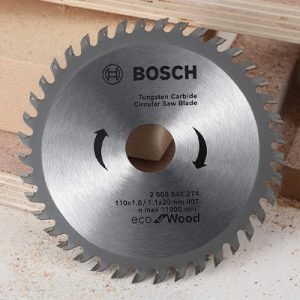
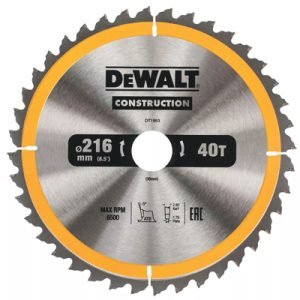




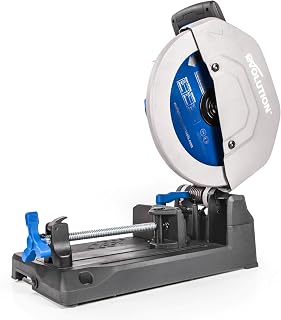


Choosing a TCT saw blade is not simply a matter of selecting the highest tooth count or the most expensive option. The right blade depends on the saw, the material being cut, the finish required, the thickness of the workpiece and how frequently the blade will be used. A blade designed for clean cuts in laminated board can behave very differently from one intended for structural timber, hardwood, aluminium or multi-material cutting.
TCT stands for tungsten carbide tipped. Instead of relying on a conventional steel cutting edge, a TCT blade has carbide-tipped teeth brazed or otherwise securely fixed to the blade body. Tungsten carbide provides a hard, wear-resistant cutting edge, making these blades particularly useful when a consistent cutting performance is required over repeated cuts.
For buyers comparing TCT circular saw blades, table saw blades, mitre saw blades and multi-purpose blades, the most important specification is therefore not the brand name alone. It is whether the blade's tooth geometry, diameter, bore, kerf and tooth configuration are appropriate for the particular machine and application.
Before comparing tooth counts or cutting performance, check the specifications of the saw. A blade must be physically compatible with the machine, and a visually similar blade is not necessarily a suitable replacement.
The manufacturer's instructions for the saw should take priority over general buying advice. If two blades have the same diameter and bore, that does not automatically make them interchangeable for every application.
Tooth count is one of the most visible differences between circular saw blades, but it should not be treated as a simple quality ranking. More teeth generally allow a finer, more controlled cut, while fewer teeth generally provide larger gullets for clearing material and can be better suited to rapid cutting in timber.
Blades with relatively few teeth are commonly associated with faster, more aggressive cutting. The larger gullets between teeth help remove chips from the kerf, which can be advantageous when cutting thicker timber or when speed is more important than an exceptionally fine finish.
For rough construction work, framing timber and certain general-purpose applications, a lower-tooth blade can be a sensible choice. However, a low tooth count is not automatically the best option for every timber cut. Material thickness, feed rate, blade geometry and saw type also influence the result.
Medium tooth counts are often a useful compromise for general-purpose work. They can provide a balance between cutting speed and finish, making this configuration attractive to buyers who do not want to keep changing blades for every relatively minor task.
A medium-count TCT blade can be particularly useful where one blade needs to cover several common woodworking jobs, provided its tooth geometry is appropriate for the materials involved.
Higher tooth counts are generally associated with smoother, cleaner cuts, particularly in sheet materials, veneered boards, laminates and applications where the appearance of the cut edge matters. The trade-off is that the blade may remove material more gradually and can be less suitable for fast cutting through thick solid timber.
High tooth counts also place greater importance on maintaining an appropriate feed rate. Forcing a fine-tooth blade through material can generate unnecessary heat and may contribute to premature wear or poor cutting performance.
Two TCT blades with the same diameter and tooth count can produce noticeably different results because the teeth may have different geometries. The shape and orientation of the carbide tips affect how each tooth enters the material, removes the chip and leaves the finished edge.
Alternate Top Bevel, commonly abbreviated to ATB, is widely used for woodworking blades. The tips alternate in their bevel direction, helping the blade shear through timber and many sheet materials.
ATB configurations are commonly considered when a relatively clean woodworking cut is required. The exact performance still depends on the blade's tooth count, bevel angle, kerf, rake angle and the material being cut.
Flat Top Grind teeth have a flat cutting edge across the top of the tooth. This configuration can be useful where efficient material removal is more important than an ultra-fine finish.
FTG designs can therefore be relevant to certain ripping and general cutting applications, although the complete blade specification should always be considered rather than selecting solely on tooth profile.
Triple Chip Grind, or TCG, uses alternating tooth profiles to distribute the cutting work. This geometry is commonly associated with harder or more abrasive manufactured materials and applications where durability and a controlled cut are important.
TCG blades can be worth considering for materials such as laminates, some engineered boards and certain non-ferrous applications, but buyers should confirm that the specific blade is explicitly rated for the material in question.
The kerf is the width of the cut made by the blade. It is an important specification because it affects the amount of material removed and can influence the power required to drive the blade through the workpiece.
A thin-kerf blade removes less material per pass. This can be useful where reduced waste, lower cutting resistance or compatibility with a lower-powered saw is desirable. However, thin-kerf blades are not universally preferable. Their suitability depends on the saw, blade design, material and cutting conditions.
Full-kerf blades generally have a wider cutting path and can offer a robust configuration for machines designed to accommodate them. A heavier blade body may also be advantageous in applications where stability is important.
Never select a thin-kerf blade simply because the specification appears more efficient. Confirm that its body thickness, kerf and tooth configuration are compatible with the saw and its safety equipment.
Blade diameter affects the maximum theoretical cutting depth, but the actual cutting capacity depends on the saw design. A 190 mm blade, for example, should not be assumed to provide a particular cutting depth without checking the saw's specifications.
Cutting depth can also vary according to the cutting angle on a mitre saw or circular saw. At a bevel angle, the effective depth of cut is reduced compared with a straight 90-degree cut.
For this reason, buyers should compare the blade diameter with the machine's stated maximum cutting capacity rather than relying on diameter alone.
The bore is the central hole through which the blade mounts to the saw. Some blades are supplied with compatible reduction rings, allowing a blade with a larger central bore to fit a smaller arbor where the saw manufacturer permits this arrangement.
Do not improvise with unsuitable washers, homemade spacers or incorrectly sized rings. A blade needs to be mounted securely and concentrically. Poor mounting can cause vibration, run-out and unsafe operation.
When comparing products, check the complete bore specification rather than assuming that the advertised diameter is sufficient information.
A TCT saw blade is more than its carbide tips. The blade body, tooth attachment, expansion features and overall manufacturing quality all contribute to how it behaves in use.
The carbide tips provide the hard cutting surfaces responsible for much of the blade's wear resistance. Different blades can use different carbide formulations, grain structures and geometries, but marketing descriptions should not be treated as a substitute for a clear application rating.
For the buyer, the practical question is whether the carbide tooth design is intended for the material and cutting conditions involved. A blade designed for clean cuts in timber is not automatically suitable for abrasive boards or non-ferrous metal.
The steel body needs to maintain its shape and stability while rotating at high speed. A well-suited blade should run appropriately for the machine and application without excessive vibration.
Manufacturers may use different body treatments and manufacturing processes, but the important buying consideration is whether the complete blade is designed for the intended machine and material.
Some circular saw blades include slots or other features designed to manage heat and expansion. These can be particularly relevant during prolonged cutting because friction and material removal generate heat.
Expansion features can also influence noise and vibration characteristics. They should therefore be considered as part of the overall blade construction rather than as a standalone quality indicator.
Softwood generally does not require the same cutting configuration as dense hardwood or abrasive sheet materials. Buyers prioritising fast cutting may favour a lower tooth count with generous gullets, while users seeking a cleaner edge may prefer a more densely toothed blade.
The thickness of the timber is important. A blade that works well on relatively thin boards may not be the best choice for thick sections where chip clearance becomes increasingly important.
Hardwood can place greater demands on a blade because of its density and, in some species, abrasive characteristics. A suitable TCT blade should have tooth geometry appropriate to the desired cut and material.
For visible joinery work, a cleaner-cutting configuration may be preferable. For rough cutting, faster material removal may take priority.
Plywood contains multiple layers with changing grain direction, so a blade intended to produce a clean edge can be useful. Higher tooth counts and appropriate woodworking geometries are often considered for applications where breakout needs to be controlled.
However, the quality and construction of plywood vary considerably. A blade suitable for one panel product may not deliver identical results on another.
MDF and similar engineered boards can be abrasive and can produce substantial fine dust during cutting. Blade selection should therefore take account of both tooth durability and the required finish.
For frequent cutting of engineered boards, buyers should look for a blade explicitly intended for the material rather than assuming that a general-purpose timber blade is the best long-term choice.
Decorative surfaces can be prone to chipping or breakout. A blade with an appropriate fine-cut geometry may help produce a cleaner edge, particularly when the visible face of the board is important.
For these applications, tooth geometry can matter as much as tooth count. TCG-style configurations are among the designs buyers may encounter for demanding manufactured board applications.
Some TCT blades are specifically engineered for non-ferrous metals such as aluminium. These should not be confused with ordinary woodworking blades.
When cutting aluminium, use only a blade explicitly rated for the material and the particular saw. The correct tooth geometry, rake angle and operating conditions are important, and the saw manufacturer's instructions should be followed closely.
Plastics can melt, chip or otherwise behave unpredictably when cut with an unsuitable blade. A blade intended for plastics or composite materials may have a different tooth configuration from a conventional timber blade.
Always check the manufacturer's material compatibility before using a TCT blade on unfamiliar plastics, composites or coated materials.
A general-purpose blade is attractive because it can reduce the number of blade changes required. For occasional DIY work involving several similar materials, this can be a practical approach.
Specialist blades become more attractive when the same material is cut frequently or when the finish requirements are demanding. A specialist blade can be selected around a particular material, thickness and cutting objective rather than trying to accommodate every application.
The best choice therefore depends on whether versatility or optimisation matters more. Buyers should not assume that the most versatile blade will produce the best result on every individual task.
Multi-material TCT blades are designed to cover a broader range of applications. They can be useful for users who occasionally move between timber, boards and other compatible materials and want to minimise blade changes.
The important qualification is the word compatible. "Multi-purpose" does not mean "suitable for every material". Check the manufacturer's stated applications carefully, particularly before cutting metal, mineral-containing materials or unfamiliar composites.
Blade specifications should be considered as a system. Tooth count, kerf, tooth geometry, material thickness and feed rate all interact.
This is why simply searching for the "highest tooth count" or "thinnest kerf" is unlikely to identify the best blade for every user.
Cutting performance can deteriorate gradually, so users may not immediately recognise that a blade is becoming worn or damaged.
Not every cutting problem is caused by the blade. Incorrect alignment, unsuitable feed rate, poor workpiece support, material movement, a damaged saw or incorrect blade installation can produce similar symptoms.
Good maintenance can help preserve cutting performance and makes it easier to identify problems before the blade is used again.
Resin, adhesive and material deposits can build up on the blade and interfere with cutting. Cleaning should be performed using a method appropriate for the blade and the manufacturer's recommendations.
Before installation, examine the teeth for obvious damage, missing carbide, excessive wear or contamination. A damaged tooth should not be ignored simply because the remaining teeth appear intact.
A blade body that is bent, cracked or otherwise damaged should not be treated as a normal maintenance issue. Follow the manufacturer's guidance and replace damaged blades rather than attempting unsafe repairs.
Keep spare blades protected from knocks, moisture and contamination. Avoid stacking them in a way that could damage the carbide tips, particularly when several blades are stored together.
Yes, many TCT blades can be professionally sharpened, but whether sharpening is worthwhile depends on the blade's condition, construction, tooth damage and replacement cost. Professional sharpening services can use specialist equipment to restore carbide cutting edges and, where appropriate, correct other aspects of blade geometry.
Home sharpening with unsuitable files, grinders or improvised equipment is not equivalent to professional blade servicing. Carbide teeth require appropriate tooling and accurate geometry.
For a heavily damaged blade, replacement may be more appropriate than sharpening. Buyers should compare the condition of the blade, the cost of professional servicing and the importance of the blade's original geometry.
The cheapest compatible-looking blade is not necessarily the best value. Blade life, cutting quality, material compatibility and sharpening potential can all affect the overall cost of ownership.
Tooth count is useful, but it does not describe the complete blade. A high tooth count with unsuitable geometry can be a worse choice than a lower-count blade designed specifically for the application.
Diameter alone is insufficient. The bore must also match the saw or be compatible with a properly specified reduction ring where permitted.
Always check the blade's maximum permitted operating speed against the saw. This is a basic compatibility and safety consideration, not an optional specification.
A blade suitable for timber should not automatically be used to cut metal. Non-ferrous and ferrous metals have different cutting requirements, and many blades are explicitly limited to particular material groups.
Universal or multi-purpose terminology describes a broader intended application range, not unlimited compatibility. Read the manufacturer's material list and restrictions.
A fast rough-cut blade may be excellent for construction work but unsuitable where the finished edge will remain visible. Conversely, an extremely fine blade may be inefficient for repetitive rough cutting.
A useful comparison should go beyond star ratings and headline marketing claims. Create a short specification checklist for every blade being considered.
This approach makes comparisons more meaningful because it puts compatibility and intended use ahead of generic popularity.
Well-established manufacturers and specialist cutting-tool brands can be useful starting points when comparing blades, but brand recognition should not replace specification checking. Bosch, DeWalt, Makita, Evolution, Freud and Diablo are among the names buyers may encounter when researching circular saw blades and related cutting accessories.
Different manufacturers offer different blade ranges, and a brand can produce several configurations for completely different applications. A premium brand's fine-finish woodworking blade is not automatically preferable to another manufacturer's specialist blade if the specifications do not match the job.
When comparing branded options, concentrate on the individual blade's diameter, bore, tooth configuration, material compatibility, RPM rating and intended application.
Occasional DIY users often benefit from a blade that matches their most common material rather than building a large collection of specialist blades. If the main tasks involve ordinary timber and sheet materials, a well-chosen general-purpose blade may cover many jobs.
However, users undertaking flooring, fitted furniture, cabinetry, decking, construction or repeated sheet cutting may benefit from selecting blades around specific applications. The more often a material is cut, the more valuable an optimised tooth configuration can become.
For professional users, productivity and consistency can matter as much as the initial purchase price. A blade that delivers the required finish for a predictable period may be more useful than a cheaper blade that requires frequent replacement or causes additional finishing work.
Professionals should also consider whether a blade can be professionally sharpened, whether replacement teeth or servicing are available where applicable, and whether the manufacturer provides sufficiently clear application guidance.
Ask what the finished workpiece needs to look like. If the cut edge will be hidden, a fast-cutting configuration may be entirely appropriate. If the edge is part of visible joinery, furniture, flooring or cabinetry, a cleaner-cutting blade may justify the additional cost and slower cutting rate.
There is no universal winner between the two. The best blade is the one whose cutting characteristics match the job rather than the one with the most impressive specification on paper.
Blade choice is only one part of achieving a clean cut. Workpiece support, cutting direction, blade sharpness, feed control and machine setup can all influence the finished edge.
If a particular panel consistently chips despite using an appropriate blade, the problem may involve the material, machine setup or cutting technique rather than simply requiring an even higher tooth count.
Blade life cannot be expressed as a single meaningful number for every user. The number of cuts a blade can make depends on the material, thickness, contamination, feed rate, machine, tooth geometry, operator technique and cutting conditions.
A blade used occasionally on clean softwood can experience very different wear from one used repeatedly on abrasive engineered boards. For this reason, claims about exceptional blade life should be interpreted in context unless the manufacturer provides clear test conditions.
For commercial comparison, consider total value rather than purchase price alone. A more expensive blade may be attractive if its construction, intended application and sharpening potential make sense for the user's workload. Conversely, paying more for features that are irrelevant to an occasional DIY task may offer little practical benefit.
TCT blades rotate at high speed and should be treated as precision cutting tools rather than ordinary accessories. Always follow the saw manufacturer's instructions and the blade manufacturer's safety information.
Dust from timber, MDF and other engineered materials can present different hazards, so users should follow the relevant workplace or product guidance and use suitable extraction and personal protective equipment.
Customer reviews can be useful, but they should be read alongside technical specifications. A five-star review from someone cutting occasional softwood does not necessarily establish that the same blade is appropriate for repeated hardwood, laminate or aluminium work.
When reading reviews, look for useful details such as the material cut, saw type, blade size, tooth count, frequency of use, expected finish and whether the reviewer experienced premature wear or chipping.
Verified customer feedback is most valuable when it describes the actual application rather than simply stating that the product is "good" or "sharp".
TCT means tungsten carbide tipped. The cutting teeth incorporate tungsten carbide tips, providing a hard and wear-resistant cutting edge suitable for many woodworking and other specified applications.
No. Higher tooth counts generally favour smoother cutting, while lower tooth counts can provide faster cutting and better chip clearance. The appropriate tooth count depends on the material, thickness and desired finish.
Many TCT blades are suitable for hardwood, but the correct blade should be selected according to the wood, thickness and desired finish. A blade designed specifically for hardwood may be preferable for repeated or demanding work.
Some TCT blades are suitable for MDF and other engineered boards. Because these materials can be abrasive, check that the specific blade is intended for the material before use.
Some specialist TCT blades are designed for aluminium and other non-ferrous metals. A standard woodworking TCT blade should not be assumed to be suitable. Always confirm the manufacturer's material and machine compatibility.
There is no universal replacement interval. Replace or professionally service the blade according to its condition, cutting performance, tooth damage and the manufacturer's guidance.
It can be worthwhile for frequent users or demanding applications, but price alone does not determine suitability. Compare the blade's construction, application rating, tooth geometry, expected use and potential servicing options.
They can be useful for users who work with several compatible materials and want fewer blade changes. However, "universal" does not mean suitable for every material, so the manufacturer's stated applications should always be checked.
There is no single best blade for every circular saw user. The right option depends on the saw's required diameter and bore, its permitted RPM, the material being cut and whether the priority is speed, versatility or finish quality.
A mitre saw blade should be selected according to the machine's specified diameter and bore, as well as the material and finish required. Fine-tooth woodworking configurations can be attractive for clean cross-cuts, while other applications may call for a different geometry.
The appropriate blade depends on whether the table saw will mainly be used for ripping, cross-cutting, sheet materials or general-purpose work. Tooth count and geometry should be selected around the dominant task rather than simply choosing the blade with the most teeth.
Only if it is compatible with the saw and appropriate for the application. Thin-kerf blades can reduce material removal and cutting resistance, but machine compatibility and the required blade configuration remain essential.
Use a blade suited to the material and finish requirement, maintain a sharp cutting edge, support the workpiece properly and use a controlled feed rate. If the material is prone to breakout, consider a blade geometry specifically designed for cleaner cutting.
Before choosing from a shortlist of TCT saw blades, verify the following points rather than relying on product rankings alone.
A useful buying guide should not treat every blade as interchangeable. The most meaningful comparison starts with compatibility and then considers the blade's intended material, tooth configuration, cutting purpose, construction and likely ownership requirements.
When reviewing individual options, compare the published specifications carefully and distinguish manufacturer claims from independently verified customer feedback. Customer satisfaction can provide useful context, but it should not override basic compatibility requirements.
Readers should also check current specifications, retailer information and today's pricing before purchasing because product ranges, packaging, availability and prices can change during the year.
The best TCT saw blade is the one that matches the saw, material and cutting objective rather than the one with the highest headline specification. Diameter, bore and RPM establish basic compatibility; tooth count and geometry influence cutting behaviour; kerf affects material removal; and the intended application determines whether a general-purpose or specialist blade makes more sense.
For occasional DIY work, a well-chosen versatile blade can be a practical starting point. For frequent woodworking, cabinetry, construction or specialist material cutting, selecting a blade specifically around the application can provide a more sensible balance of finish, productivity and durability.
Before buying, compare the full specification, confirm compatibility with the saw, read relevant verified customer reviews and check the manufacturer's current guidance. That approach is more reliable than choosing solely on price, tooth count, star rating or the word "professional" in a product description.