

Best Abrasive Cutting Discs for Metal, Masonry & More Products online UK (United Kingdom)
Explore our real-time updated product directory index curated for performance, verified star metrics, and historical consumer trust rankings.
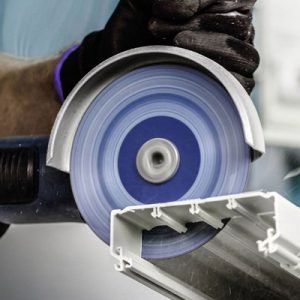
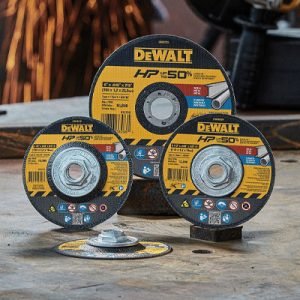
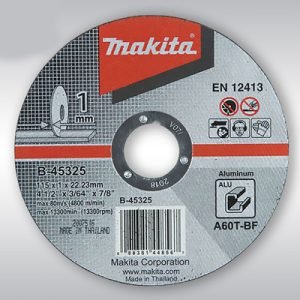
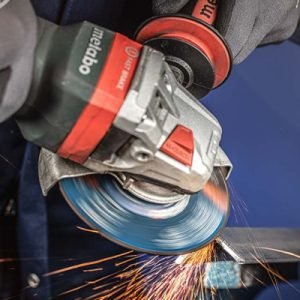
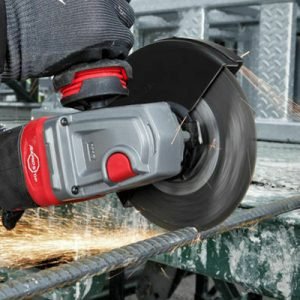


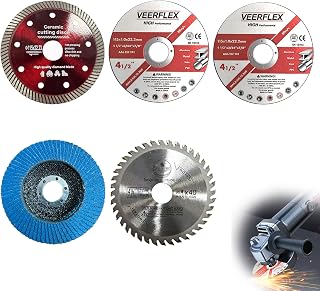


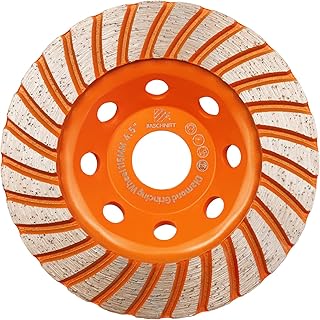

Abrasive cutting discs are thin, reinforced wheels engineered to remove material through controlled abrasion. They are commonly used with angle grinders, cut-off tools and other compatible power equipment where a fast, narrow cut is required. Unlike grinding wheels, which are generally designed for removing material from a surface, cutting discs are intended to cut through the workpiece using the edge of the disc.
The best abrasive cutting disc depends on several factors, including the material being cut, the diameter required by the machine, the bore size, disc thickness and the maximum operating speed. A disc suitable for mild steel may not be the right choice for stainless steel, aluminium, masonry or other specialist materials. Always check the manufacturer's specifications and the requirements of your power tool before use.
Metal cutting discs are among the most widely used abrasive wheels for workshops, garages, fabrication work and general maintenance. They can be used for applications such as cutting steel sheet, angle iron, box section, threaded rod, bolts, pipes and other metal components when the disc is specifically rated for the material. Thin discs can provide a narrow kerf and help reduce material loss, while thicker options may be selected where greater robustness is required.
Stainless steel requires an abrasive disc formulated for the application. Stainless-compatible discs are designed to provide controlled cutting while helping minimise contamination of the workpiece. If you are working with stainless steel, check that the product specification explicitly identifies stainless steel or INOX applications rather than assuming that every metal cutting wheel is suitable.
For brick, block, stone and certain masonry applications, a suitable masonry cutting disc is essential. Abrasive wheels intended for masonry are manufactured with materials and specifications suited to demanding mineral-based work. For particularly hard or abrasive materials, users may instead need a specialist diamond cutting blade, so checking the product's intended application is important before buying.
Abrasive cutting discs are available in a range of diameters, with common angle grinder sizes including 115 mm, 125 mm and 230 mm. Smaller discs are often convenient for lighter-duty work and improved manoeuvrability, while larger discs can provide greater cutting depth when used with a compatible machine.
Thickness also affects cutting characteristics. Ultra-thin discs can make fast, precise cuts with relatively little material removal and are popular for sheet metal and similar applications. Thicker discs can offer a different balance of durability and cutting performance. Never fit a disc simply because its diameter appears correct: the bore, maximum RPM, disc type and machine compatibility must also be checked.
Different abrasive technologies are suited to different jobs. Aluminium oxide is commonly associated with general metal-cutting applications, while silicon carbide abrasives can be used for particular non-ferrous materials and masonry-related tasks. Specialist and diamond-based cutting products may be appropriate where the material or application calls for a different cutting technology.
Tool compatibility is equally important. An angle grinder cutting disc should have the correct diameter and bore for the grinder, and its rated maximum speed must be equal to or greater than the machine's operating speed. Product markings should be checked carefully before installation.
115 mm cutting discs are a popular choice for compact angle grinders and general-purpose metal cutting. 125 mm cutting discs offer a little more diameter while remaining practical for many handheld applications. 230 mm cutting discs are designed for compatible larger grinders and can provide greater cutting capacity. Smaller rotary-tool discs are also available for precision and craft applications, but they use different mounting systems and should not be confused with standard angle grinder wheels.
When comparing abrasive cutting discs, focus on application suitability rather than choosing solely on price or disc count. A correctly specified disc can help produce cleaner cuts, improve working efficiency and reduce unnecessary material waste. For frequent workshop use, it can also make sense to compare pack quantities, disc dimensions and the materials each product is designed to cut.
ToolBit's abrasive cutting disc category brings together a range of cutting products and related options for UK shoppers, including discs for metal and other applications. Compare the available specifications, check compatibility with your equipment and select the cutting disc that best matches the material and job in hand.
For safe operation, always follow the instructions supplied by the disc and power-tool manufacturer. Wear appropriate eye and face protection, hearing protection and other suitable personal protective equipment, inspect discs before use and never use a wheel that is damaged, cracked or otherwise unsuitable for the machine.
Abrasive cutting discs are designed for fast, controlled cutting of materials such as steel, stainless steel, iron, masonry and other hard materials. Whether you are completing professional fabrication work, maintenance, construction tasks or a DIY project, choosing a cutting disc that matches both the material and your tool can make a significant difference to cutting speed, precision and disc life. Explore abrasive cutting disc options available for UK shoppers and compare sizes, thicknesses, materials and intended applications before choosing the right option.