


Best Cutting Discs for Metal, Stone, Tile & More Products online UK (United Kingdom)
Explore our real-time updated product directory index curated for performance, verified star metrics, and historical consumer trust rankings.


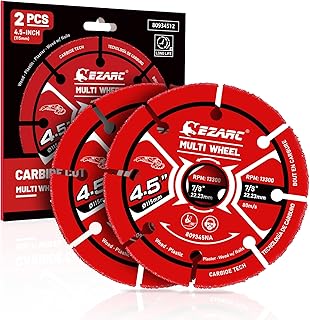


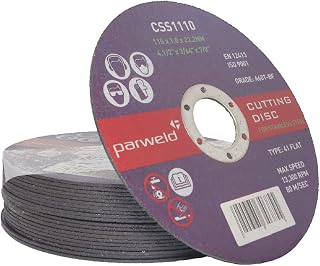


Cutting discs are designed to remove material efficiently while producing a controlled cut with a compatible power tool. The right choice depends on the material being cut, the tool being used, the disc diameter, thickness, bore size and the type of cutting required. For UK tradespeople, fabricators, installers, maintenance professionals and DIY users, having the correct cutting disc can help improve accuracy while reducing unnecessary wear on the accessory and tool.
Metal cutting discs are among the most widely used options for angle grinders. Thin discs are particularly useful when cutting sheet metal, steel sections, bolts, threaded rod, pipes and other metal components. Stainless steel requires a suitable INOX-rated disc where specified, helping prevent contamination and providing an appropriate cutting surface for stainless applications. Available products include compact discs for smaller grinders as well as larger 230mm options for tools designed for deeper cuts.
When working with metal, disc thickness is an important consideration. Ultra-thin cutting discs can make narrow cuts with less material removal, which can be useful for precision fabrication and general metalwork. Thicker discs may suit heavier applications where durability and cutting depth are priorities. Always check the manufacturer's specifications and ensure the disc is suitable for the material and grinder before use.
Common sizes include 115mm and 125mm discs, often associated with compact angle grinders used in workshops, garages and on building sites. Larger 230mm cutting discs can provide greater cutting depth when paired with a compatible grinder. Disc dimensions are normally expressed as diameter, thickness and bore, so checking all three measurements is essential before purchasing.
Diamond cutting discs are designed for hard mineral-based materials and are available for applications including ceramic and porcelain tiles, concrete, masonry, stone, marble and related surfaces. Depending on the design, a diamond blade may be segmented, continuous-rimmed or otherwise configured for a particular cutting requirement. Tile-focused discs can be useful where a cleaner edge is important, while segmented designs are commonly associated with construction and masonry work.
For tile installation, renovation and general building projects, selecting a disc specifically intended for the material can help reduce chipping and improve cutting control. Some products are intended for dry cutting, while others may be suitable for wet-cutting applications. The product instructions should always be followed, particularly where water cooling or a particular operating method is required.
Not every cutting application requires a full-size angle-grinder disc. Smaller cutting wheels are available for rotary tools and compact machines, with options intended for materials such as metal, glass, stone and ceramics. These smaller accessories can be useful for detailed work, repairs, craft projects and applications where a full-size grinder would be impractical.
There are also specialist discs designed for particular materials and tasks. Carbide cutting accessories, for example, may be marketed for cutting wood, laminate, plastic or wood containing nails, depending on the manufacturer's specifications. Because these products can differ significantly from conventional abrasive discs, compatibility and intended use should always be checked before fitting them to a tool.
Start by identifying the material you need to cut. A disc intended for steel should not automatically be used on tile, concrete or wood. Next, check the diameter and bore against your grinder or rotary tool. The disc must be compatible with the machine and rated for its operating speed. Thickness should then be considered according to the balance between cutting precision, material removal and the demands of the application.
Common angle-grinder sizes include 76mm, 115mm, 125mm and 230mm. The bore must match the tool or approved mounting arrangement, while the maximum permitted speed must be compatible with the grinder. Never exceed the disc's stated maximum RPM. If a product specification gives a particular mounting system or accessory requirement, follow those instructions rather than assuming universal compatibility.
Buying the correct pack quantity can be useful for both occasional DIY work and regular professional use. Smaller packs may suit infrequent repairs, while larger packs can provide better convenience for workshops and trades where cutting discs are used regularly. Comparing disc dimensions, intended material, pack size, construction and application is more useful than choosing solely on price.
Before purchasing, consider the jobs you are most likely to undertake. A metalworker may prioritise thin stainless-steel and general steel cutting discs, while a tiler may need diamond discs matched to porcelain or ceramic. A builder may require diamond options for concrete and masonry, whereas a DIY user with a rotary tool may benefit from compact cutting wheels. Choosing the accessory around the task helps ensure that the disc is appropriate for the tool and material.
Cutting discs operate at high speed and should always be used with the correct guard, compatible equipment and appropriate personal protective equipment. Inspect discs before use and do not use accessories that are cracked, damaged, excessively worn or otherwise compromised. Follow the manufacturer's fitting, operating and storage instructions, and make sure the disc is correctly mounted before starting work.
With the right cutting disc, an angle grinder or rotary tool can handle a broad range of cutting tasks. By matching the disc to the material, machine, size and application, UK users can make a more informed purchase and choose accessories suited to their particular project.
Find cutting discs for a wide range of workshop, construction, maintenance and DIY applications. From thin metal cutting discs for steel and stainless steel to diamond discs for tile, concrete, stone and masonry, choosing the right disc can make cutting cleaner, faster and more controlled. Explore options in common UK sizes such as 76mm, 115mm, 125mm and 230mm, alongside specialist discs for rotary tools and demanding materials.