

♥ Wishlist
Compare 47 verified Chisels & Points for Construction, Demolition & Masonry products in United Kingdom. Reviews, ratings, pros, cons and buying advice updated for October 2026.


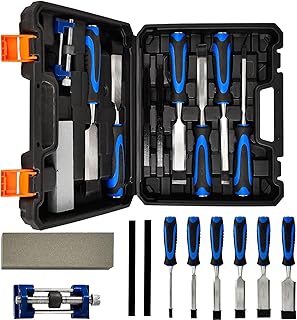


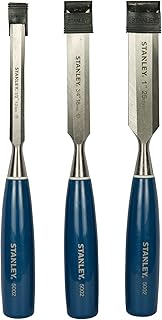


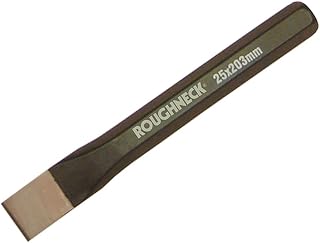


Choosing the right chisel or point is less about finding one universally superior tool and more about matching the blade profile, steel, handle construction and impact rating to the material and task. A chisel intended for fine woodworking has very different priorities from a cold chisel used on masonry, while a bolster chisel for brickwork needs a different cutting geometry again.
For UK buyers, the most useful starting point is therefore to identify the work you actually do. DIY users may only need a small selection of general-purpose chisels, whereas carpenters, joiners, bricklayers, mechanics and renovation specialists can benefit from purpose-built tools designed for repeated impact.
Brands such as Stanley, STANLEY FATMAX, Bahco, Irwin Marples, Faithfull, Draper, Narex, Kirschen, Eclipse and Spear & Jackson cover a broad range of applications and price levels. However, the brand name should never be the only deciding factor. Blade geometry, dimensions, handle design, steel treatment and intended application matter just as much.
Bevel-edge chisels are among the most useful general-purpose woodworking tools. The sides of the blade are relieved by bevels, allowing the chisel to enter relatively tight corners and joints without the full thickness of the blade interfering with the surrounding timber.
They are particularly useful for mortising, trimming joints, cleaning corners, paring shoulders and general bench work. A sensible set normally contains several widths rather than relying on one oversized or undersized chisel for every operation.
For a mixed woodworking toolkit, widths around 6 mm, 10 or 12 mm, 18 or 19 mm, 25 mm and 32 mm can provide useful coverage. The exact sizes available vary between manufacturers, so compare the actual blade widths rather than assuming that every set follows the same sequence.
Firmer chisels have traditionally been associated with robust woodworking. Their blade construction can be more substantial than a lightweight paring chisel, making them suitable when the tool may receive controlled blows from a mallet.
They can be an attractive choice for users who value a traditional design and want a chisel that can perform both chopping and general bench duties. The handle construction is particularly important if repeated impact is expected.
Paring chisels are intended for controlled hand pressure rather than heavy hammering. They are useful for fine adjustments, trimming joints and removing very small amounts of material where precision matters more than impact resistance.
A long, relatively slender blade can provide useful control, but this type of chisel should not automatically be treated as a substitute for a heavy-duty chopping chisel. Using a tool outside its intended application can damage the handle, edge or blade.
Mortise chisels are built for chopping across the grain when producing mortises. They tend to have thicker blades than general-purpose bench chisels and are designed to tolerate repeated impact.
If your work involves traditional mortise-and-tenon joints, a dedicated mortise chisel can be more appropriate than repeatedly subjecting a lightweight bevel-edge chisel to heavy blows.
A cold chisel is fundamentally different from a woodworking chisel. It is intended for cutting or working materials such as metal and, depending on the specific design and manufacturer instructions, certain masonry applications.
Cold chisels are available in different widths and profiles. A narrow blade concentrates force over a smaller area, while a wider cutting edge can remove or separate material across a broader line. Always select a tool specified for the material being worked.
A brick bolster is designed around masonry work, with a broad cutting edge suitable for cutting or splitting bricks, blocks and related materials. The wider blade distributes impact differently from a narrow cold chisel or point.
For brickwork and renovation, blade width should be considered alongside overall length, handle protection and the type of impact expected. A tool intended for repeated striking should have suitable protection between the user's hand and the impact zone.
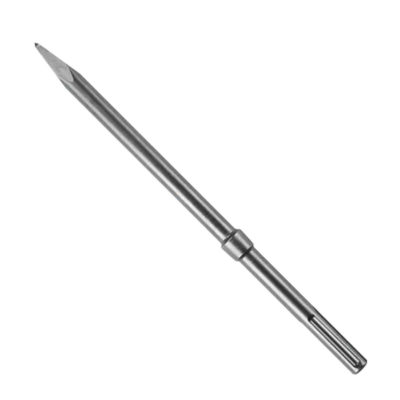
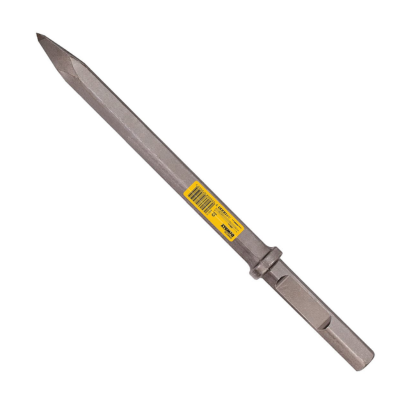
Point chisels concentrate impact at a small contact area. This makes them useful when breaking up hard material, starting an opening, loosening material or progressively removing unwanted sections.
A point is not a replacement for a flat chisel. The pointed profile is selected when penetration and concentrated impact are more useful than producing a clean, wide cut.
Blade material is one of the most frequently advertised chisel specifications, but steel grade alone does not tell the whole story. Heat treatment, hardness, geometry, edge thickness and manufacturing quality all influence how a chisel behaves.
Carbon-steel chisels are widely used in woodworking and traditional hand tools. They can take a keen edge and are generally straightforward to sharpen when correctly heat-treated.
The trade-off is that exposed carbon steel can be susceptible to corrosion. Regularly wiping away moisture, fingerprints and residues and storing the tool somewhere reasonably dry can help prevent surface rust.
Chrome vanadium is common in general-purpose and trade-oriented hand tools. It is valued for a useful combination of toughness, hardness and resistance to wear and corrosion.
Do not assume, however, that every chrome vanadium chisel will perform identically. Two products using broadly similar steel descriptions can still differ considerably because of heat treatment, blade geometry and manufacturing tolerances.
Higher-end chisels may use specialised alloy steels or proprietary treatments designed to provide particular combinations of edge retention, toughness and sharpening characteristics.
For occasional DIY work, paying substantially more for a premium steel may provide little practical benefit if the tool is rarely used. For frequent woodworking, repeated sharpening and demanding hardwood work, the additional cost can be easier to justify.
A very hard cutting edge can resist wear effectively, but hardness should not be considered in isolation. A tool that is too brittle for its application may be more vulnerable to chipping or damage under inappropriate impact.
Likewise, a tougher steel that is easy to maintain can be preferable for a trade tool that experiences frequent knocks and repeated sharpening. The best specification is the one suited to the work rather than the one with the most impressive-sounding number.
Thicker blades generally provide greater resistance to bending and are useful for chopping and heavier work. Thinner blades can offer better control for paring and precision cutting.
For general-purpose woodworking, moderate blade thickness is often the most versatile compromise. If the chisel will routinely be struck with a mallet, prioritise a construction designed for that use.
Bevelled sides can make it easier to work into internal corners, especially when cutting dovetails or cleaning a mortise. The amount of side relief varies considerably between designs.
If precision joinery is your priority, inspect photographs and manufacturer specifications for the actual side geometry rather than assuming that every product marketed as a bevel-edge chisel has identical proportions.
For woodworking chisels, the back of the blade is important because it can act as a reference surface when paring and establishing clean shoulders. A poorly prepared back can make sharpening and precise work more frustrating.
New chisels may require preparation before their full potential can be assessed. This can include flattening or polishing the back and establishing a suitable cutting edge.
Many woodworkers establish a primary bevel and then maintain a smaller secondary or micro-bevel. The exact angle depends on the chisel, material and application, so avoid treating one angle as a universal rule.
A smaller bevel can reduce the amount of metal that needs to be removed during routine honing. The important objective is a durable, keen edge that is appropriate for the work rather than achieving a particular angle simply because it appears in a buying guide.
Modern synthetic handles can provide excellent resistance to moisture and impact. They are often practical for site work where tools experience rougher handling and less controlled storage.
Products from manufacturers such as Stanley, STANLEY FATMAX and Bahco demonstrate the variety of ergonomic handle approaches available in the trade market. Compare the grip shape and impact rating as well as the appearance.
Wooden handles remain popular with traditional woodworkers because they can be comfortable, attractive and well suited to controlled mallet work when correctly designed.
Different woods have different characteristics, and a wooden handle should be inspected for cracks, splits and damage. A damaged handle should not be treated as cosmetic only if the tool is intended for striking.
Some chisels include a metal striking area intended to withstand hammer or mallet blows. Others are specifically designed for hand pressure or wooden-mallet use.
Never assume that every chisel can safely be struck with a steel hammer. The manufacturer's intended use should take precedence over appearance.
A comfortable handle matters when a tool is used for extended periods. Look for a grip that allows controlled pressure without creating uncomfortable pressure points.
For site work, a textured or non-slip surface can be particularly useful. For bench woodworking, a smoother traditional handle may offer better freedom of movement during paring. Neither style is automatically superior.
Buying the largest set available is not always the best strategy. A smaller collection of useful sizes can be more practical than a large set containing specialist widths that rarely leave the toolbox.
Widths around 3 mm to 8 mm can be useful for detailed work, small recesses, hinge-related tasks and narrow joints. They require care because a narrow cutting edge can be damaged if excessive force is applied.
Widths around 10 mm to 20 mm are among the most versatile for general woodworking. They can handle a wide range of joinery, trimming and fitting tasks without being excessively cumbersome.
Chisels around 25 mm to 32 mm and beyond are useful for removing more material and working on larger joints. They can also be practical for door, frame and general carpentry work.
Large chisels require sufficient clearance around the workpiece. They are not automatically better for difficult cuts simply because they have a larger blade.
For a beginner or occasional DIY woodworker, a small set of carefully selected sizes can be enough. A practical starting collection might include a narrow chisel, a medium general-purpose chisel and a wider chisel.
A more serious woodworking kit could include several intermediate sizes so that the closest blade width can be selected for each joint rather than repeatedly using the same tool.
Trade users should consider buying individual chisels in the sizes they use most frequently. Replacing an entire set because one size has worn or been damaged is rarely the most efficient approach.
Prioritise versatility, straightforward maintenance, comfortable handles and sensible pricing. A general-purpose bevel-edge set from a recognised manufacturer can cover common tasks such as fitting hinges, trimming timber and cleaning joints.
There is little reason for an occasional user to invest heavily in specialist cabinetmaking chisels if most projects involve basic household repairs.
Frequent professional users should place greater emphasis on edge retention, sharpening behaviour, handle durability and availability of individual replacement sizes.
A trade chisel needs to survive regular use without becoming unnecessarily tiring to handle. If the tools will be struck repeatedly, impact resistance becomes especially important.
Cabinetmaking places greater emphasis on precision, clean edges and control. Thin-sided bevel-edge chisels and well-finished bench chisels can be particularly useful for dovetails, housing joints, shoulders and fine fitting.
Premium tools can make sense when the user spends many hours at the bench, although sharpening technique and careful workholding remain more important than brand prestige alone.
Choose masonry-specific chisels, bolsters and points rather than attempting to adapt woodworking tools. The blade profile, impact resistance and protective features should be appropriate for masonry.
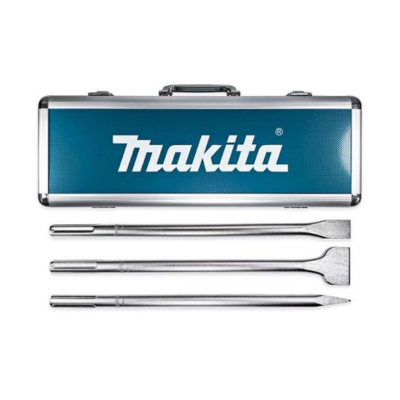
For repeated heavy work, consider the difference between a hand-struck tool and an SDS-compatible accessory for a suitable power tool. These are different product categories with different operating requirements.
Metalworking applications require appropriately specified cold chisels and related tools. Blade width, cutting angle, material compatibility and impact method all deserve attention.
Do not use a woodworking chisel as a general substitute for a cold chisel. The materials and impact conditions can be substantially different.
This distinction is particularly important when shopping online because similar terms can appear across very different tool categories.
Hand chisels are used with controlled manual force, often from a hammer or mallet where the design permits it. They are inexpensive to equip, easy to carry and useful for detailed or occasional work.
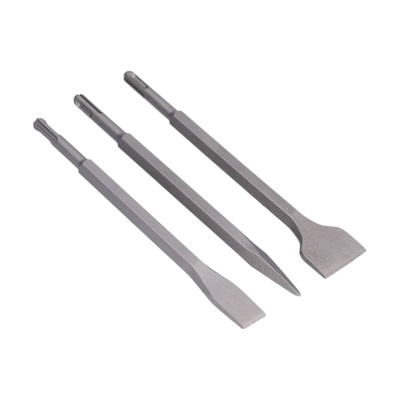
SDS chisels and points are accessories for compatible rotary hammers and demolition machines. They transfer the machine's impact mechanism into the workpiece, making them suitable for applications where manual striking would be inefficient.
Before purchasing an SDS accessory, check the exact chuck and shank system required by the power tool. SDS Plus and SDS Max are not interchangeable simply because both use the SDS name.
A ten-piece set is not automatically better than a four-piece set. If six of the ten sizes will spend their lives unused, the additional pieces add storage requirements without necessarily improving your toolkit.
Chisels may look superficially similar, but they are engineered for different materials and impact conditions. Always identify the intended application before buying.
A good blade paired with an unsuitable handle can be frustrating to use. Consider whether the tool will be pushed by hand, struck with a mallet or exposed to repeated heavy impact.
Every woodworking chisel eventually requires maintenance. Even a premium blade needs sharpening or honing as its cutting edge wears.
A very wide chisel is cumbersome in a narrow joint, while a very narrow chisel can make large cuts unnecessarily slow. Choose the blade width according to the joint or material being removed.
This is one of the easiest ways to damage an otherwise good tool. A cutting edge is designed to cut or pare material, not to replace a screwdriver or pry bar. Keep separate tools for levering, scraping and fastening.
Even quality steel can develop surface rust when exposed to damp conditions. A basic maintenance routine is much easier than restoring badly corroded tools.
When comparing two apparently similar products, work through the following criteria rather than relying solely on reviews or star ratings.
Customer reviews can be useful, but they need context. A reviewer using a woodworking chisel for occasional DIY work may have completely different expectations from a professional joiner using the same tool every day.
Look for repeated comments about specific characteristics rather than isolated statements about whether a product is simply "good" or "bad". Useful review themes include edge retention, handle comfort, blade straightness, sharpening requirements, durability and whether the supplied sizes match the user's needs.
Also pay attention to the age of reviews and the exact product variant. Manufacturers sometimes sell several generations, sizes or handle versions under closely related names.
A sharp chisel is substantially more useful than a blunt one, regardless of its purchase price. Learning a repeatable sharpening method can therefore improve the performance of an inexpensive chisel as well as an expensive one.
Common options include oilstones, waterstones, diamond plates, abrasive papers and guided sharpening systems. Each has advantages and disadvantages concerning speed, mess, flatness, maintenance and learning curve.
The best system is one that you will actually use consistently. A theoretically excellent sharpening setup is of little value if it is inconvenient enough to discourage regular maintenance.
Honing removes the small amount of metal required to restore a working edge after normal use. Frequent light honing can reduce the need for more aggressive sharpening.
For woodworking chisels, the back forms part of the cutting geometry. Initial preparation may therefore be necessary, particularly with new tools that have not been supplied fully prepared for immediate fine work.
Power sharpening methods can remove material quickly, but excessive heat can affect the temper of the steel. If using a powered abrasive system, follow the equipment and tool manufacturer's guidance and control heat carefully.
Correct tool selection is part of safe working practice. Eye protection is particularly important when cutting, striking or breaking brittle materials because chips can travel unexpectedly.
Keep the workpiece securely supported. Avoid holding small pieces of material directly in the hand while striking a chisel. Use suitable clamps, vices or other workholding methods where appropriate.
Inspect the striking end of hand chisels regularly. Mushroomed heads can create a hazard when struck because fragments may break away. Follow the manufacturer's maintenance recommendations and remove damaged tools from service.
For masonry and demolition work, consider the additional risks associated with flying fragments, dust and noise. Use appropriate personal protective equipment and follow the instructions for the tool and material being worked.
The difference between budget and premium chisels is rarely just the ability to make a cut. More expensive tools may offer improved consistency, better handle construction, more carefully controlled blade geometry, better finishing and steel characteristics that suit frequent users.
For occasional DIY work, those advantages may not justify the additional expenditure. A well-maintained mid-range tool can be entirely adequate when used within its intended limits.
For professional users, the calculation changes because sharpening time, comfort, durability and replacement frequency can become more significant. The correct comparison is therefore total usefulness over the tool's working life rather than purchase price alone.
Stanley has a broad range of woodworking chisels, including traditional and ergonomic handle designs. STANLEY FATMAX products are generally positioned towards demanding trade use, making the ranges worth considering when impact resistance and robust handling are priorities.
Bahco offers woodworking and trade hand tools across several design approaches. Its chisel ranges include both traditional-looking wooden-handle tools and more modern trade-oriented designs.
Irwin Marples is a familiar name in woodworking tools, particularly among users looking for established bevel-edge chisel designs. Compare the exact model and handle construction because ranges can differ substantially in intended use.
Faithfull covers a broad spectrum of workshop and trade tools, including chisels and related accessories. The brand can be useful to consider when building a practical general-purpose toolkit without automatically moving into premium specialist pricing.
Draper offers a wide selection of tools aimed at DIY and trade users. Its chisel options can be relevant when breadth of choice and general-purpose utility are more important than specialist woodworking characteristics.
Narex is particularly relevant to woodworkers looking for traditional and higher-specification bench chisels. Its range includes options aimed at users who place considerable emphasis on sharpening, edge geometry and controlled joinery work.
Kirschen, also associated with the Two Cherries name, is a longstanding consideration for traditional woodworking tools. Its chisels appeal particularly to users interested in established designs and fine bench work.
Spear & Jackson is a long-established British tool name with products across DIY, gardening and trade categories. Its hand-tool ranges can be relevant when comparing mainstream options for general-purpose work.
Product photographs can make very different chisels look almost identical, so check the written specification before making a purchase.
They can, depending on their steel, heat treatment, geometry and the material being cut, but purchase price alone does not determine edge retention. Sharpening technique, cutting angle, workpiece material and user technique all influence how long an edge remains effective.
They can be suitable for occasional DIY and for learning basic sharpening and cutting technique. The key is to choose a product designed for the intended task and avoid using lightweight woodworking tools for inappropriate heavy-duty work.
Choose a set when you need several common widths and the included sizes match your work. Choose individual chisels when you already own some tools or have specific size requirements.
For general woodworking, a selection covering narrow, medium and wide blades is more useful than concentrating on one size. Medium widths around 12 mm, 18 or 19 mm and 25 mm are particularly versatile, while smaller and larger chisels can be added according to the work.
Do not assume that you can. Woodworking chisels are designed for timber and their blades and handles may not be intended for masonry impact. Use a masonry-specific chisel or appropriate machine accessory instead.
It is generally the wrong tool for precision woodworking. Even when it can physically remove material, its geometry and intended application are different. A woodworking chisel will normally provide much better control for timber.
Neither is universally better. Wooden handles can offer a traditional feel and suit controlled woodworking, while synthetic handles can provide excellent durability, grip and impact resistance. Select according to the work rather than material preference alone.
There is no fixed timetable because wear depends on the wood, cutting technique and frequency of use. Hone when the edge begins to lose cutting efficiency rather than waiting for the chisel to become completely blunt.
Diamond plates, waterstones, oilstones, abrasive papers and guided systems can all be effective. Consistency and correct technique are more important than choosing one universally "best" sharpening method.
No. Many woodworking chisels are designed for hand pressure or controlled mallet use, while heavier-duty chisels may have reinforced striking areas. Always follow the manufacturer's intended-use instructions.
A point concentrates impact at a small tip, making it useful for breaking or penetrating material. A bolster has a wider cutting edge and is better suited to making a broader cut or split, particularly in masonry applications.
A good-quality bevel-edge woodworking chisel is usually the most versatile choice for general bench work. Rather than selecting one "best" model for everyone, choose a suitable width, comfortable handle and blade construction that matches how frequently you work and whether the chisel will be struck.
Beginners generally benefit from a straightforward set of reliable bevel-edge chisels covering several useful widths. A modest set also leaves room to learn sharpening and identify which sizes are genuinely useful before spending more on specialist tools.
Professional carpenters should prioritise durability, comfortable handling, edge maintenance and suitable impact resistance. A robust trade-oriented set can be more practical on site than delicate bench chisels intended primarily for fine joinery.
For cabinetmaking, precision and control are normally more important than extreme impact resistance. Well-made bevel-edge and paring chisels with suitable side clearance can be particularly useful for accurate joint fitting and fine trimming.
For brickwork, use a masonry-specific bolster or chisel designed for the material and cutting method. Blade width should reflect whether you need a narrow concentrated cut or a broader split.
The appropriate point depends on whether it will be hand struck or used with a compatible power tool, as well as the material being broken. For machine-powered demolition, compatibility with the tool's shank system is a fundamental specification.
Stanley has a broad chisel range covering different applications and price points. The relevant question is which Stanley model you are considering, because a traditional woodworking chisel and a heavy-duty trade model can have very different characteristics.
Bahco is a well-established hand-tool manufacturer with chisel designs aimed at both woodworking and trade applications. Compare the specific series, handle and intended use rather than judging every product in the range as identical.
Narex is particularly relevant for woodworkers interested in bench and precision chisels. Whether the additional cost is worthwhile depends on how often you work, the precision required and how much value you place on blade finish, geometry and sharpening characteristics.
They can be for frequent users who will benefit from refined geometry, comfortable handles, consistent manufacturing and suitable steel characteristics. Occasional users may get better value from a dependable mid-range set and a good sharpening system.
Store them somewhere dry and protect the cutting edges from contact with other tools. A roll, case, rack or individual blade guard can help prevent edge damage. Steel tools should also be wiped down and protected appropriately when stored for extended periods.
Examples include a damaged or cracked handle, badly mushroomed striking end, severely chipped blade, loose components or using the tool outside its intended application. Inspect tools regularly and follow the manufacturer's safety and maintenance guidance.
The strongest buying decision is not necessarily the tool with the highest specification, the largest set or the most expensive brand. It is the chisel or point whose construction matches the material, impact method and level of precision required.
For woodworking, concentrate on blade geometry, edge quality, sharpening behaviour, handle comfort and the widths you actually use. For masonry and demolition, concentrate on impact resistance, blade profile and compatibility with the chosen working method. For metalworking, select a properly specified cold chisel rather than adapting a woodworking tool.
Brands including Stanley, STANLEY FATMAX, Bahco, Irwin Marples, Faithfull, Draper, Narex, Kirschen and Spear & Jackson provide useful reference points when comparing the UK market, but the model-level specification should always determine the final choice.
Before buying, compare the complete specification, intended application, included sizes, handle design, maintenance requirements and current customer feedback. Most importantly, choose a tool that you can maintain properly and use safely. A correctly selected, correctly sharpened and properly maintained chisel will generally be far more useful than a more expensive tool that is the wrong size or intended for the wrong job.