

♥ Wishlist
Compare 47 verified Bosch Chisels & Points products in United Kingdom. Reviews, ratings, pros, cons and buying advice updated for October 2026.


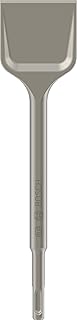


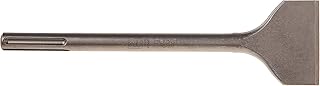







Choosing a Bosch chisel is less about selecting the most expensive accessory and more about matching the chisel to the power tool, material and type of work. A pointed chisel intended for breaking up concrete is not interchangeable with a flat chisel used for controlled material removal, while a tile chisel or mortar chisel is designed around a more specific task.
Before comparing individual Bosch chisels and points, identify four things: the tool interface, the material being worked on, the amount of material that needs to be removed and the level of precision required. These factors usually narrow the choice far more effectively than price alone.
The first compatibility check should always be the shank system. Bosch Professional chisels are commonly available for SDS plus and SDS max machines, while some heavy-duty breakers use other interfaces such as hex shanks. A chisel with the wrong shank cannot simply be substituted because it looks similar.
Do not assume that a larger chisel will automatically improve performance. The power tool must be designed to accept the accessory and deliver the appropriate impact energy. Always check the machine's instruction manual and the accessory manufacturer's compatibility information before purchase.
SDS plus and SDS max are not simply different sizes of the same accessory. They are different tool interfaces intended for different classes of equipment and applications.
For occasional renovation, chasing, light demolition, tile removal and breaking up relatively manageable areas of masonry, an SDS plus system may be the practical choice when it matches the rotary hammer already owned.
SDS max becomes more relevant when the work involves larger volumes of concrete, substantial masonry removal or prolonged heavy-duty chiselling with a suitably powerful rotary hammer or breaker.
The most sensible approach is to buy the chisel for the machine you already have rather than choosing the chisel first and attempting to make the machine fit it.
The shape of the working end determines how impact energy is concentrated and how material is removed. Understanding this distinction can prevent one of the most common buying mistakes: choosing an accessory simply because it is labelled as a chisel.
A pointed chisel concentrates impact into a relatively small area. This makes it useful when the objective is to penetrate, fracture or break up hard masonry and concrete, particularly when starting a demolition area or creating an opening.
A pointed chisel is not automatically the best choice for every demolition job. Once material has been fractured, a different profile can remove the remaining material more efficiently.
A flat chisel presents a broader working edge and can be preferable when material needs to be separated, chipped away or removed across a wider area. It can also provide greater control than a narrow point for certain finishing and demolition tasks.
For extensive work, owning both a pointed and flat chisel can be more useful than buying a single premium accessory and expecting it to perform every task equally well.
Tile chisels are shaped specifically for lifting and removing tiles and associated materials. Their geometry is intended to work underneath or between tiles rather than simply concentrating impact into a single point.
If the main job is bathroom, kitchen or floor renovation, a tile-specific accessory can make more sense than a general pointed chisel. It is particularly important to consider the surface underneath the tile, because aggressive chiselling can damage the substrate when excessive force is used.
Spade chisels have a wider blade-like working section and are useful where controlled removal across a larger area is required. They can be useful for certain masonry, concrete and renovation applications where a pointed profile would be unnecessarily concentrated.
Floor scrapers are designed for jobs such as removing flooring residues and bonded material from floors. Their broad profile makes them fundamentally different from a pointed demolition chisel.
If the job involves adhesive, flooring residue or surface material rather than breaking substantial concrete, a scraper-style accessory may be a more appropriate investment.
Mortar removal requires a more specialised approach than general concrete demolition. A mortar or mortar-raking chisel can be considered where the objective is to remove joints while limiting unnecessary disturbance to surrounding masonry.
This distinction is particularly important on brickwork. Using an overly aggressive general-purpose demolition accessory can cause avoidable damage to bricks and adjacent joints.
Before choosing a Bosch chisel, identify whether you are working on concrete, brick, mortar, tiles or another mineral material. Accessory descriptions often specify the intended application, and those recommendations should take precedence over assumptions based on appearance.
Concrete is demanding because hardness, aggregate and reinforcement can vary considerably. A pointed chisel can be useful for initiating fractures and breaking up material, while a flat profile may be more appropriate for subsequent removal.
For substantial concrete demolition, the accessory should be matched to the impact class of the rotary hammer or breaker. A small machine fitted with an oversized chisel is unlikely to turn into a heavy-duty demolition system simply because the accessory is larger.
Brickwork generally requires more control than indiscriminate concrete demolition. The objective may be to remove individual bricks, open a channel, chase masonry or remove damaged material while preserving surrounding areas.
Choose the chisel profile according to the desired result rather than simply selecting the hardest-looking accessory. Precision can be more important than maximum impact when working close to sound masonry.
Mortar removal is a particularly good example of why application-specific accessories matter. If the goal is repointing preparation or localised mortar removal, a dedicated mortar accessory can provide a more appropriate working geometry than a general pointed chisel.
Tile removal can involve several layers, including the tile itself, adhesive and substrate. A tile chisel can be preferable where the accessory needs to get underneath the tile rather than simply pulverise the material.
Length is another specification that is easy to overlook. A longer chisel can provide useful reach in some applications, but greater length does not automatically mean better performance.
When comparing two otherwise similar Bosch chisels, consider whether the additional length solves a genuine problem. Extra reach is useful only if it improves access or working position without making the job unnecessarily difficult to control.
Tip geometry affects how an accessory enters and breaks material. Some Bosch chisel ranges use designs intended to maintain an effective working profile during use rather than requiring frequent conventional sharpening.
When comparing products, look beyond phrases such as “heavy duty” and examine what the manufacturer actually specifies about the tip, working profile, intended materials and machine compatibility.
A self-sharpening or wear-optimised design can be particularly relevant to users who carry out repeated chiselling work. For occasional DIY use, however, paying considerably more for a long-life accessory may not always provide the best overall value.
Higher-end demolition accessories can use carbide-based technologies or reinforced working areas to improve durability under demanding conditions. Bosch offers different chisel ranges aimed at different levels of use, so the most advanced specification is not necessarily the right choice for every buyer.
When evaluating durability, consider the complete accessory rather than focusing on the tip alone. The shank, body, working profile and resistance to wear all influence the useful service life of a chisel.
Bosch uses different product ranges to serve different requirements, so buyers should not judge an accessory solely by the Bosch name on the packaging.
Professional users carrying out frequent demolition may place greater value on extended working life, specialist tip geometry and reduced interruption. A homeowner completing a single renovation project may reasonably prioritise compatibility, task suitability and purchase cost.
The important question is not “Which Bosch range is the best?” but “Which Bosch range is appropriate for how I will actually use it?”
A multi-piece set can be attractive when a project involves several different types of material removal. Instead of purchasing a pointed chisel, flat chisel and specialist accessory separately, a set can provide several profiles for different stages of the same job.
For a one-purpose task, a single well-matched accessory can be better value than a larger set containing tools that remain unused.
A useful comparison should go beyond product names and star ratings. The following specifications provide a more meaningful basis for comparing Bosch chisels and points.
Confirm SDS plus, SDS max or the appropriate alternative interface before considering any other specification. Compatibility is non-negotiable.
Compare length with the access requirements of the project. Longer is not automatically better.
Identify whether the accessory is pointed, flat, tile, spade, scraper or designed for mortar removal.
Check whether the manufacturer lists concrete, brick, mortar, tiles or another material for the specific accessory.
Make sure the accessory is intended for the rotary hammer, breaker or other power tool being used.
Look for clearly specified design features such as reinforced working areas, specialised carbide technology or self-sharpening geometry where these are relevant to the job.
Compare the cost and usefulness of single accessories against multi-packs. Frequent users may benefit from buying several identical accessories, whereas occasional users may prefer a single piece.
Part numbers are particularly useful when comparing apparently identical accessories. They can help distinguish different lengths, shank types and pack configurations.
This is the most fundamental mistake. Always identify the exact interface of the machine before ordering.
The cheapest accessory can be false economy if the profile is unsuitable or the expected service life is too short for the amount of work involved. Conversely, the most expensive option may be unnecessary for a one-off DIY task.
A pointed chisel is versatile, but it is not a substitute for every specialist profile. Tile removal, mortar removal and broad surface scraping can benefit from accessories designed specifically for those jobs.
Accessory selection should be considered alongside the machine's impact energy and operating instructions. A chisel is only one part of the system.
Not every rotary hammer is intended for prolonged heavy chiselling. Check whether the machine has a dedicated chiselling mode and whether the manufacturer permits the intended application.
Bosch sells multiple chisel families with different profiles, materials, interfaces and intended applications. Always check the individual specification.
Bosch is not the only manufacturer worth considering. Depending on the power tool already owned, buyers may also encounter compatible accessories from brands such as Makita, DeWalt, Milwaukee and Hilti.
Brand comparison should begin with technical compatibility rather than brand loyalty. A compatible accessory from another established manufacturer may be worth considering if its specification matches the machine and application.
When comparing brands, assess the shank system, intended material, profile, length, machine compatibility and expected frequency of use. A brand name alone does not determine whether an accessory is appropriate.
Accessory selection is only part of the equation. Technique also influences productivity, control and wear.
Chisels are consumable accessories, but appropriate care can help users identify problems before they affect the tool or workpiece.
Look for excessive wear, deformation, cracks or other visible damage. A worn accessory may no longer perform as intended.
The shank is critical because it interfaces directly with the power tool. Check for abnormal wear, damage or contamination and follow the tool and accessory manufacturer's instructions for cleaning and lubrication.
Remove concrete dust, masonry fragments and other debris before storage. Keeping accessories reasonably clean also makes it easier to spot damage.
Store chisels where their working ends cannot be damaged by contact with other heavy tools. Keeping different profiles organised also reduces the chance of selecting the wrong accessory during a busy project.
There is no universal replacement interval because accessory life depends on material, machine power, pressure, working technique, duration of use and the specific chisel design.
Rather than replacing a chisel according to a fixed calendar, inspect its condition and performance. Replacement becomes more relevant when the accessory is visibly damaged, excessively worn or no longer produces the expected result despite correct use.
For professional users, keeping a spare compatible chisel available can also reduce downtime during prolonged demolition work.
Chiselling can produce flying fragments, dust, vibration and substantial noise. The appropriate protective equipment depends on the task and the working environment, so follow the power-tool manufacturer's instructions and applicable workplace requirements.
Particular care is required when working on older buildings or unknown materials. Do not assume that a wall, floor or slab contains only the visible material.
Price should be considered alongside expected use. A professional who uses a chisel repeatedly may place a higher value on durability and productivity, while an occasional DIY user may obtain better overall value from a simpler accessory that is correctly matched to the job.
Bosch product names can contain several pieces of information that are useful when comparing apparently similar accessories. Terms such as SDS plus, SDS max, Pointed Chisel, Flat Chisel, Tile Chisel, PRO and EXPERT can indicate the interface, working profile or product range.
Do not rely on the name alone. The detailed product specification should be used to confirm the exact shank, length, application and compatible tool class.
A Bosch pointed chisel is primarily used for concentrated chiselling and breaking work in suitable masonry and concrete applications. Its pointed working end focuses impact into a relatively small area, making it useful for starting fractures, breaking material and creating openings.
No. SDS plus and SDS max are different shank systems. The accessory must match the interface specified for the power tool. Always confirm compatibility with the exact machine before purchase.
Neither is universally better. SDS plus is appropriate for compatible lighter-duty rotary-hammer applications, while SDS max is designed for compatible larger rotary hammers and heavier-duty work. The correct choice depends on the machine and application.
For concrete demolition, compare Bosch pointed and flat chisels according to the stage of the work. A pointed profile can help concentrate impact and initiate break-up, while a flat profile can be useful for broader removal. The correct accessory must also match the machine.
A dedicated tile chisel is generally the more logical option when tile removal is the primary task. Its geometry is intended for separating tiles and can be more appropriate than a general pointed chisel.
Some Bosch chisels are specifically intended for brick and masonry applications. Check the individual accessory specification before use, particularly where preserving surrounding brickwork is important.
You can encounter applications where a general chisel is used for masonry removal, but a dedicated mortar or mortar-raking accessory can be more appropriate when the objective is controlled mortar removal. Always choose the accessory according to the manufacturer's stated application.
They can be worthwhile for frequent or demanding use where durability and productivity matter. For occasional DIY work, a less specialised accessory may provide better value if it is correctly matched to the tool and project.
Buy a single chisel when you have one clearly defined task. Consider a set when the project involves several types of material removal and you are confident that the included profiles will be useful.
Check the machine's specified accessory interface and compare it with the chisel's stated shank type. Then confirm that the accessory is intended for the tool class and application. When in doubt, use the manufacturer's compatibility information rather than relying on visual similarity.
Requirements vary by chisel design. Some Bosch accessories use tip geometries intended to maintain effective performance during use, while other accessories may behave differently as they wear. Follow the manufacturer's instructions rather than applying a generic sharpening method.
Use the correct accessory for the material, avoid forcing the machine, keep the shank clean, follow the power-tool manufacturer's instructions and replace accessories that are damaged or excessively worn. Correct technique is often just as important as the accessory's material and design.
Bosch Professional offers chisel ranges intended for professional rotary hammers and breakers, with different product grades for different workloads. Professional users should compare the exact accessory specification with the machine and expected frequency of use.
Check the exact product name, part number, shank type, overall length, intended material, compatible machine class, pack quantity and current manufacturer specification. It is also sensible to compare current prices and read recent verified customer feedback before purchasing.
The best Bosch chisel is the one that matches the machine, material and task rather than the one with the longest specification sheet or highest price. Start with compatibility, then choose the working profile, length and durability level that suit the actual project.
For general demolition, pointed and flat chisels are useful profiles to compare. For specialist renovation work, a tile, spade, scraper or mortar accessory can offer a better fit. For repeated professional use, higher-durability ranges deserve closer consideration, while occasional DIY users should focus on practical compatibility and value.
Before buying, compare the exact specifications rather than relying solely on product titles, check the latest manufacturer information, and review verified customer feedback for the specific accessory. This approach makes it easier to avoid incompatible purchases and select a Bosch chisel that is genuinely suited to the work ahead.