

♥ Wishlist
Compare 62 verified Drill Sets for DIY, Wood, Metal & Masonry products in United Kingdom. Reviews, ratings, pros, cons and buying advice updated for October 2026.


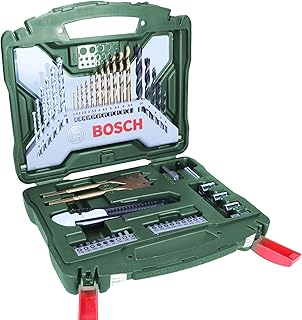


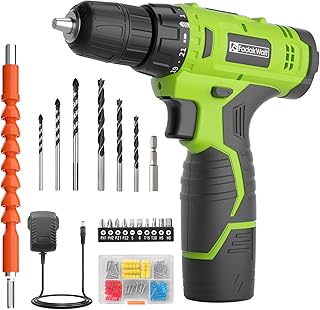

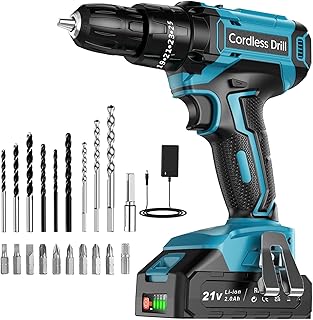


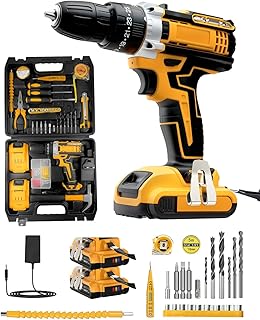


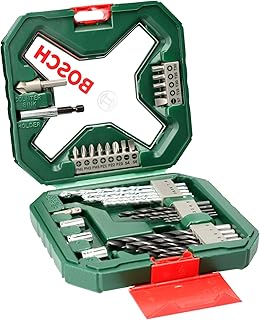


The best drill set is not necessarily the one containing the largest number of pieces. A useful set should match the materials you expect to drill, the type of work you regularly undertake and the drill or driver you already own. A compact set with correctly selected bits can be more useful than a large assortment containing several sizes or accessories you are unlikely to use.
When comparing drill sets, look beyond the headline piece count. Consider the quality of the cutting edges, the materials used to manufacture the bits, the range of sizes, the intended applications, storage system and compatibility with your drill. These details have a much greater effect on everyday usefulness than the number printed on the packaging.
Different materials require different drill-bit designs. A set intended mainly for timber is not automatically suitable for masonry, metal or tiled surfaces. Some multi-purpose sets cover several common materials, but specialist bits can still be preferable when a particular application is frequent or demanding.
The material and construction of a drill bit influence cutting performance, durability, heat resistance and suitability for particular jobs. A buyer comparing two apparently similar sets should therefore examine the stated bit material rather than relying solely on the number of pieces included.
HSS is a common choice for metal-drilling applications because it is designed to withstand higher temperatures than ordinary carbon-steel tooling. Some HSS bits feature coatings intended to improve wear resistance or reduce friction. Titanium-nitride-coated bits, for example, can have a distinctive coating intended for improved durability in suitable applications, but the presence of a coating does not make a bit suitable for every material.
Carbide is particularly important when looking at masonry and other demanding applications. A carbide-tipped masonry bit is fundamentally different from an ordinary HSS metal bit, and substituting one for the other can result in poor performance or premature damage.
For woodworking, the geometry of the bit is often just as important as its base material. A well-designed wood bit can produce a cleaner entry and more controlled hole than a generic bit used outside its intended application.
Understanding the different types of drill bits makes it much easier to judge whether a set represents good value. A set can contain dozens of accessories yet still be poorly suited to your intended jobs if the important bit types are missing.
Twist bits are among the most versatile drill bits and are commonly associated with drilling metal, plastic and other materials depending on their construction. Standard HSS twist bits are particularly useful for general metalwork and are often included in mixed drill sets.
Check the size range carefully. A set containing many closely spaced small sizes may be useful for precision work, whereas a household user may benefit more from having a practical spread of commonly used diameters.
Masonry bits normally feature a reinforced or carbide-tipped cutting head intended for materials such as brick, block and concrete. Their performance depends not only on the bit itself but also on the drill's operating mode, power and suitability for the material.
Do not assume that a masonry bit makes every drill suitable for heavy concrete drilling. For substantial masonry work, a suitable hammer or rotary hammer system may be more appropriate than a conventional cordless drill.
Brad-point bits are designed specifically for woodworking. Their central point helps locate the hole while the outer spurs can score the material before the main cutting edges remove the waste. This design can help produce a more controlled hole in timber.
For furniture assembly, shelving, joinery and general DIY, a useful selection of wood-drilling sizes can be more valuable than an oversized collection of unrelated accessories.
Spade bits are designed for rapidly producing relatively large holes in timber. They are particularly useful where the finish of the hole is less important than speed and diameter.
Because they remove material differently from twist or brad-point bits, they are best regarded as a complementary tool rather than a universal replacement.
Step drills use multiple cutting diameters along a single bit. They can be convenient when drilling sheet metal and similar thin materials because one tool can create several hole sizes.
Their usefulness depends heavily on the application. A step drill should not automatically be regarded as a substitute for a complete selection of conventional twist bits.
Drilling brittle surfaces requires more care than drilling ordinary timber. Suitable tile or glass bits can help reduce the risk of damage when used correctly, but the correct technique remains essential. Excessive pressure, unsuitable speed or attempting to drill a material beyond the bit's specification can cause cracking or damage.
Before choosing a set, check the chuck type and the bit shank dimensions. Many conventional drills use a standard three-jaw chuck, while some compact cordless tools use quick-change systems designed around hexagonal shanks.
Round-shank bits are common with conventional keyed and keyless drill chucks. The chuck grips the cylindrical shank and allows a broad range of compatible accessories to be used.
Hexagonal shanks are widely used for quick-change accessories and can be especially convenient with drill drivers and impact drivers. However, compatibility should be checked rather than assumed simply because an accessory is described as having a hex shank.
A standard drill bit should not automatically be used in an impact driver. Impact tools subject accessories to repeated torsional loads, so accessories intended for impact applications are constructed with this use in mind.
If an impact driver is part of your toolkit, look specifically for accessories whose manufacturer states that they are suitable for impact use. This is particularly important for screwdriver bits, nut setters and other accessories exposed to substantial torque.
Piece count is one of the easiest specifications to compare, but it can also be misleading. A 100-piece kit may include holders, screwdriver bits, sockets, countersinks and duplicate sizes rather than 100 genuinely different drill bits.
When comparing sets, separate the contents into useful categories:
A smaller set can therefore offer better practical value when its contents are better matched to your requirements.
For general household DIY, versatility is usually more important than extreme performance. A sensible starter collection should cover the materials most likely to be encountered during routine jobs, such as timber, metal and masonry.
Think about the tasks you actually perform. Hanging shelves, assembling flat-pack furniture, fitting brackets and making minor repairs place different demands on a drill set from constructing a timber workshop or carrying out regular metal fabrication.
For occasional DIY, prioritise a well-organised selection of useful sizes and material-specific bits. For frequent DIY, it can make sense to buy higher-quality specialist bits individually when a particular application becomes common.
Woodworkers should pay particular attention to bit geometry, hole quality and size selection. Brad-point bits are often useful for controlled drilling in timber, while spade bits provide a fast option for larger holes.
If appearance matters, consider whether the bit design is appropriate for the type of hole being made. Through-holes, blind holes and joinery applications can each favour different cutting geometries.
For larger holes, consider whether the drill itself has sufficient torque and whether the bit diameter is within the manufacturer's recommended operating range. A high-quality bit cannot compensate for a drill that is unsuitable for the job.
Metal drilling places greater demands on bit selection and technique than many basic household applications. HSS twist bits are a common starting point, but the appropriate bit depends on the metal being drilled, its thickness and the required hole quality.
Heat is a major consideration. Excessive speed can generate significant heat and accelerate wear. The correct speed, controlled feed pressure and appropriate cutting fluid where recommended can all contribute to better results.
For regular metalworking, look for clearly stated specifications covering the bit material, coating and intended applications rather than choosing solely on piece count.
For brick and block, a suitable masonry set can be sufficient for many routine household jobs. Drilling larger or deeper holes in hard concrete is a different proposition and may call for a dedicated rotary hammer and appropriate masonry accessories.
Check the bit diameters against the wall plugs and fixings you intend to use. The correct hole size is important for secure fixing, and simply choosing the largest bit in a set is rarely the right approach.
When drilling masonry, consider dust management as well as bit selection. Drilling can produce substantial fine dust, so appropriate protective equipment and a suitable method of controlling dust should form part of the overall job plan.
Permanent, easy-to-read size markings save time and make it easier to select the correct accessory. Poorly marked bits can become frustrating to use, particularly when several sizes look similar.
A good case is more than a cosmetic feature. It should keep bits organised, reduce the likelihood of losing smaller accessories and make it obvious when something needs replacing.
Look at the actual diameter range rather than the total number of pieces. A practical progression through commonly useful sizes can be preferable to a set containing numerous accessories that rarely leave the case.
Clearly identifying whether a bit is intended for wood, metal, masonry or another material reduces the chance of using an unsuitable accessory.
Drill bits are consumable tools. Even a durable bit can eventually become blunt, damaged or lost. A set becomes more convenient when commonly used sizes can be replaced without having to purchase an entirely new collection.
A large number printed on the box does not necessarily mean a comprehensive drill-bit selection. Always inspect what those pieces actually are.
Multi-purpose kits can be convenient, but specialist applications often benefit from specialist accessories. If you regularly work with hard metal, porcelain tile or demanding masonry, assess whether the relevant bits are genuinely designed for those materials.
Check the drill's chuck capacity, accessory compatibility and intended operating modes before buying. A bit that cannot be securely held or is unsuitable for the tool is of little practical value.
Even premium drill bits can be damaged through incorrect speed, excessive force, unsuitable materials or poor storage. Quality matters, but correct application and technique matter too.
Specialist accessories can be excellent when you need them, but they can add little value to a set intended for occasional household jobs. Match the selection to your actual workload.
When comparing several candidates, use the same criteria for each one rather than focusing on whichever specification is most prominent in the product description.
Well-known tool manufacturers such as Bosch, DeWalt, Makita, Milwaukee and Ryobi offer a broad range of drilling and accessory products across different user categories. Brand familiarity can be useful when comparing ranges, but it should not replace checking the exact specification of the individual set.
Different manufacturers may offer several collections aimed at different applications, so compare the actual contents rather than assuming every accessory carrying the same brand name has equivalent performance or intended use.
For buyers already using a particular cordless tool platform, staying within the manufacturer's ecosystem can sometimes make accessory selection easier, particularly where the brand offers compatible storage systems or accessories designed around its tools. Even then, check the specification of the individual accessory.
The right budget depends on frequency of use and the consequences of poor performance. Someone drilling a few holes each year has different requirements from a tradesperson using drill bits every working day.
Instead of setting a budget solely by piece count, consider the cost of the accessories you are most likely to wear out. Paying more for frequently used bits can be sensible if they provide the characteristics you actually need, while spending extra on rarely used accessories may provide little benefit.
For occasional DIY, a balanced mixed set can be a practical starting point. For demanding or professional applications, buying a smaller collection of application-specific bits may make more sense than purchasing one enormous general-purpose kit.
Even a good drill set requires appropriate technique. Select the correct bit for the material, secure the workpiece where practical and use a suitable drill speed. Avoid forcing the tool when the bit is struggling; excessive pressure can increase heat and accelerate wear.
For larger holes, consider using a smaller pilot hole where appropriate. This can help establish the drilling position and may reduce the effort required from the main bit, depending on the material and bit design.
Keep the bit aligned with the intended hole. Excessive sideways pressure can damage both the accessory and the workpiece.
There is no single drill speed that works for every material and diameter. In general, larger diameters and harder materials can require different operating speeds from small bits in softer materials. Follow the accessory manufacturer's recommendations where available.
Heat is particularly important when drilling metal. If a bit becomes excessively hot, continuing to drill can accelerate wear or damage the cutting edge. Suitable cutting fluids and controlled operating speeds may be appropriate for some metal-drilling applications.
Small-diameter bits are relatively delicate. Excessive pressure, misalignment and sudden sideways movement can cause them to snap. Allow the cutting edges to remove material rather than treating the drill like a punch.
Good storage can extend the useful life of a drill set. Keep accessories dry, clean away material residue and return them to their designated locations after use. This reduces the likelihood of corrosion, damage and misplaced sizes.
Inspect frequently used bits before starting an important job. A visibly damaged cutting edge can affect hole quality and may increase the effort required from the drill.
Do not continue using a bit simply because it came as part of a set. Once an accessory becomes unsuitable for its intended application, replacement is generally preferable to trying to compensate with additional force.
Signs of excessive wear can include noticeably slower cutting, increased heat, poor hole quality, difficulty starting the hole and visible damage to the cutting edges. For specialist applications, a worn bit can also produce inaccurate holes or an unsuitable surface finish.
Bits used in abrasive materials can wear considerably faster than those used occasionally in softer materials. Inspect the accessories that see the most use rather than assuming that every bit in the set will have the same service life.
Read the instructions supplied with both the drill and the accessories before use. Wear appropriate eye protection when drilling, particularly where chips, dust or fragments may be produced.
Secure loose workpieces where possible and take care around hidden electrical cables, plumbing and other concealed services when drilling into walls or other building structures. Use an appropriate detector or established safe-working method where necessary.
When working with masonry, concrete, metal or other materials that generate significant dust or debris, select suitable protective equipment and dust-control measures for the task.
Allow hot accessories to cool safely rather than handling them immediately after demanding drilling operations.
Beginners generally benefit from clarity and versatility rather than an overwhelming number of accessories. A well-labelled set covering the most common household materials can make it easier to learn which bit to select for each job.
Before buying, identify the drill you own and list the tasks you expect to undertake. If the main jobs are furniture assembly and occasional wall fixings, a different selection may be appropriate from one intended for woodworking projects or regular metal drilling.
A smaller, understandable kit also makes it easier to learn good drilling technique without having to sort through dozens of rarely used accessories.
Frequent users should place greater emphasis on application-specific performance, durability, replacement convenience and compatibility with existing tools. Time lost through poor drilling performance can matter more than the initial difference in purchase cost.
Consider keeping specialist bits separately from general-purpose accessories. This makes it easier to maintain dedicated selections for masonry, metal, timber or other regular applications.
Professionals may also benefit from maintaining spare commonly used sizes. A broken or worn bit is less disruptive when a replacement is immediately available.
The battery platform of the drill does not normally determine which conventional drill bit can be used; the chuck or accessory interface does. However, the capabilities of the cordless drill itself still matter.
A compact drill driver may be convenient for light household work but may not have the torque, speed range or operating mode required for demanding applications. Conversely, a powerful tool can place greater demands on accessories, making appropriate bit selection especially important.
If you already use a cordless system from a brand such as Bosch, DeWalt, Makita, Milwaukee or Ryobi, consider the tool's chuck capacity and intended applications before choosing an accessory set. The brand of the drill and the brand of the bit set do not necessarily have to match.
Good value is best judged by useful performance rather than the lowest purchase price or highest accessory count. A set offers stronger practical value when it contains the sizes and bit types you regularly need, works correctly with your tools and does not force you to replace frequently used accessories unnecessarily soon.
When comparing prices, consider the cost per genuinely useful accessory rather than the cost per piece. A kit containing ten useful drill bits may provide more value for your work than a larger kit containing many unrelated accessories.
For a meaningful comparison, first eliminate sets that are incompatible with your drill or unsuitable for the materials you work with. Then compare the remaining options according to bit quality, useful size range, application coverage and storage.
Read the manufacturer's specification carefully and distinguish between what is explicitly stated and what is merely implied by marketing language. Terms such as “professional”, “heavy duty” or “premium” should not be treated as technical specifications unless supported by meaningful information about construction or intended use.
Where customer feedback is available, use verified customer reviews as one source of evidence rather than relying on the overall star rating alone. Look for recurring comments about bit durability, size accuracy, case quality and suitability for the stated application, while remembering that individual experiences can vary according to the drill, material and technique used.
A versatile set containing useful wood, metal and masonry accessories is often a sensible choice for general household DIY. The best option depends on the materials you expect to drill and the chuck compatibility of your drill.
Not necessarily. The number of pieces can include screwdriver bits, holders, duplicate sizes and other accessories. Compare the actual drill-bit selection and the materials covered before judging value.
Some multi-material bits are designed for more than one application, but conventional wood, metal and masonry bits have different designs. For regular or demanding work, using a bit specifically intended for the material is generally the more appropriate approach.
HSS drill bits are widely used for metal drilling, although the appropriate bit depends on the particular metal, thickness, hole size and operating conditions. Coating, geometry and correct drilling speed can also affect performance.
Masonry bits can be used for various masonry materials, but demanding concrete drilling may require a more powerful hammer or rotary hammer and accessories specifically designed for that application.
Do not assume that conventional accessories are suitable for impact use. Check the manufacturer's compatibility information and use impact-rated accessories where the tool and application require them.
There is no universal replacement interval. Service life depends on the bit type, material being drilled, frequency of use, drilling technique and operating conditions. Replace an accessory when its cutting performance or physical condition is no longer suitable.
A set is convenient when you need several sizes and materials. Individual bits can make more sense when you have specialised requirements or repeatedly use only a small number of sizes.
Look for secure bit retention, clear size identification, logical organisation and a design that makes frequently used accessories easy to access. A case that protects the bits and prevents them from becoming mixed together can be more useful than a bulky storage system with a high accessory count.
Price alone does not guarantee longer service life. Durability depends on construction, application, operating conditions and technique. Compare the manufacturer's stated materials and intended uses rather than assuming that the most expensive set is automatically the best.
The strongest drill-set choice is the one that matches the work you actually do. Start with the materials, then identify the required bit types and sizes. Check compatibility with your drill, examine construction and storage, and only then compare price and piece count.
For occasional household jobs, prioritise a practical selection that is easy to identify and store. For woodworking, metalworking or frequent masonry work, give greater weight to specialist bit geometry, material construction and application-specific specifications.
Before making a purchase, compare the manufacturer's current specifications, examine verified customer reviews where available, and check today's retailer pricing and stock independently. Product ranges and included accessories can change, so the exact contents of the specific set should always be confirmed before buying.