

♥ Wishlist
Compare 49 verified Drilling & Fixing Bit Sets products in United Kingdom. Reviews, ratings, pros, cons and buying advice updated for October 2026.
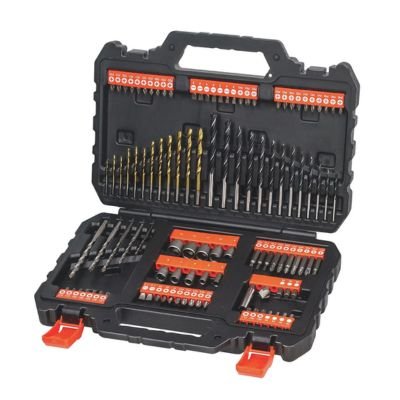
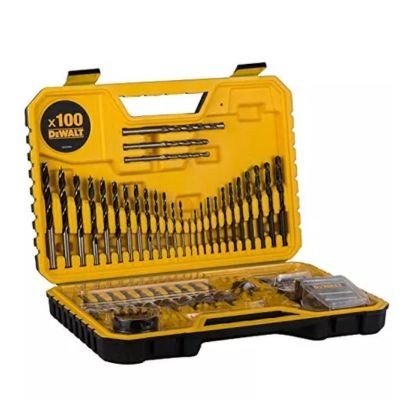
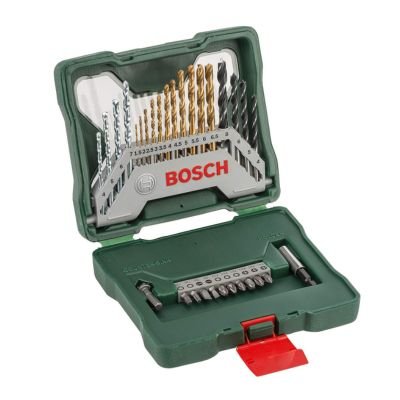
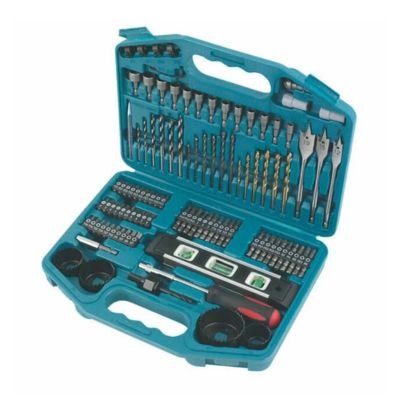
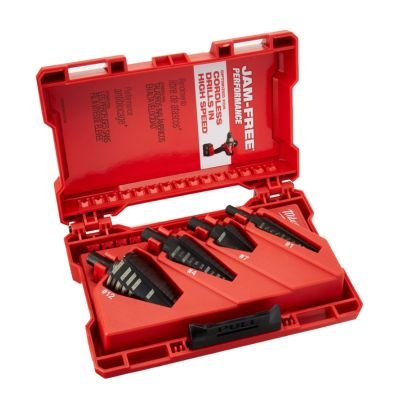


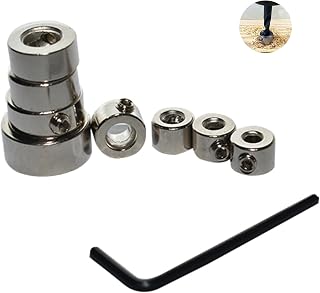


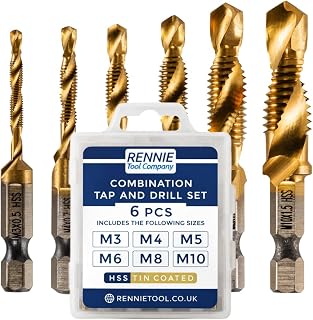


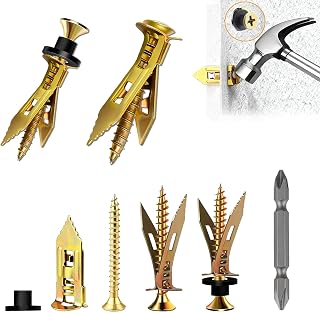








The right drilling and fixing bit set is not necessarily the one containing the highest number of pieces. A useful set should contain the types and sizes of bits you are most likely to use, fit your drill or driver correctly, and provide suitable materials and coatings for the jobs you intend to tackle.
For occasional household repairs, a compact mixed set may be more practical than a large professional assortment. For frequent renovation, installation or trade work, a broader selection can reduce the need to buy individual replacement bits. The important point is to match the contents of the set to the materials, fasteners and tools involved in your projects.
Different materials place very different demands on a drill bit. Wood, metal, masonry, plastics and composite materials should not automatically be drilled with the same type of bit.
A drilling and fixing set may combine drill bits with screwdriver bits, nut drivers, sockets, countersinks and other accessories. This can be particularly useful when one project involves both creating pilot holes and installing screws or fixings.
Check the screwdriver-bit profiles before buying. Common options include Phillips, Pozidriv, Torx, slotted and hexagonal profiles. A set containing many sizes of one profile can be less useful than a smaller assortment covering the profiles you actually encounter.
For UK household and construction work, Pozidriv and Phillips bits are still frequently encountered, while Torx fasteners are increasingly common in furniture, machinery, construction products and general maintenance. Hex bits and socket-style accessories are useful where hex-head fasteners or compatible screws are involved.
Understanding what each bit is designed to do makes it much easier to assess a set on specifications rather than simply counting the pieces in the case.
Twist drills are among the most versatile general-purpose drilling accessories. Standard HSS twist bits are commonly associated with metal drilling but can also be used for some other materials where the manufacturer's instructions permit it.
Look for clearly marked sizes and a consistent cutting geometry. In a mixed set, the useful size range is often more important than having several duplicate bits.
Brad-point bits are designed specifically for wood and typically have a central point that helps locate the hole, together with cutting edges intended to produce a cleaner entry into timber.
They are particularly useful for joinery, furniture assembly and general woodworking where hole position and edge quality matter. They are not a universal substitute for masonry or metal bits.
Spade bits are intended for relatively large holes in wood and similar suitable materials. Their flat cutting profile allows larger diameters to be covered without the physical size associated with some other drilling systems.
They are useful when installing cables, pipes or other components through timber, although the correct diameter and drilling speed should always be considered for the material and application.
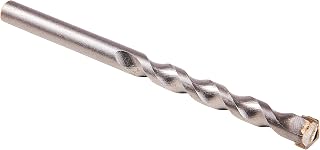
Masonry bits use a tip designed for abrasive mineral materials such as brick and block. They are commonly used with conventional drills for lighter masonry work.
For concrete, reinforced concrete or intensive drilling, do not assume that a standard masonry bit from a general-purpose set is equivalent to an SDS or SDS Plus solution. The drill, bit shank, hammer action and intended material all need to be compatible.
HSS is a broad category of tool steel used for drill bits intended for metalworking and other applications. Some higher-performance bits use cobalt-alloy HSS, which can provide greater resistance to heat in suitable applications.
A cobalt bit is not automatically the best choice for every job. For occasional DIY drilling, an appropriate conventional HSS set can be perfectly practical. For frequent metal drilling, however, material quality, edge retention, flute design and heat management become more significant.
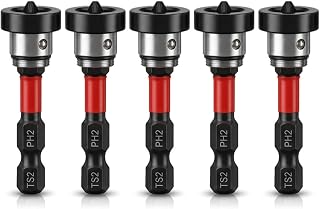
Driver bits are designed to engage the head of a screw or other compatible fastener. The fit between bit and fastener is critical. A poorly matched bit can slip, damage the screw recess and make removal more difficult.
For high-torque applications, consider whether the set contains bits specifically designed for impact drivers. Impact-rated bits are engineered differently from ordinary screwdriver bits and should not be treated as interchangeable simply because the shank fits the tool.
Some comprehensive fixing sets include nut drivers or small sockets. These can be convenient for assembling furniture, installing fixings and carrying out maintenance where hexagonal fasteners are involved.
Check the drive system carefully. A socket accessory intended for a particular holder or adapter may not be directly interchangeable with every drill, impact driver or ratchet.
One of the most important distinctions when comparing modern fixing sets is whether the screwdriver bits are designed for impact use.
Impact drivers deliver rapid rotational impacts and can place considerably different stresses on a bit compared with a conventional drill driver. Bits specifically engineered for impact applications are designed to accommodate those loads more effectively.
If you regularly use an impact driver, look for clear manufacturer information stating that the relevant bits are suitable for impact applications. A standard bit that physically fits an impact driver is not necessarily an impact-rated bit.
For ordinary drilling with a conventional drill driver, impact-rated driver bits are not automatically essential. The decision should be based on the tool, fastener and workload rather than the label alone.
Compatibility is one of the easiest buying details to overlook. Before selecting a set, check both the bit shank and the chuck or holder on your power tool.
If your toolkit contains several different power tools, a mixed set can be especially useful, but only when its accessories match those tools. Always check the manufacturer's compatibility information rather than relying on appearance.
Material and coating descriptions can make two apparently similar sets look very different. However, a premium-sounding coating does not by itself guarantee better performance for every application.
High-speed steel is widely used for general-purpose metal drilling. Its suitability depends on the exact grade, geometry, heat treatment and manufacturing quality, not simply the HSS label.
Cobalt-alloy HSS bits are intended for demanding drilling conditions where heat resistance and edge retention are important. They can be particularly relevant to users who regularly drill harder metals, provided the correct drilling technique and cutting conditions are used.
Some drill bits feature titanium-based surface coatings. These can reduce friction and improve wear characteristics in appropriate applications. The coating should not be interpreted as making a bit suitable for every material or making it immune to overheating.
Black oxide treatment is commonly used on drill bits to improve surface characteristics and resistance to wear and corrosion compared with untreated steel. The underlying material and bit geometry remain important.
Carbide is commonly used where a cutting edge needs to withstand highly abrasive materials. Masonry bits frequently use carbide-tipped designs, while specialised drilling systems can use more advanced carbide geometries for demanding applications.
When comparing several sets, use the same criteria for each one. This prevents a large piece count from overshadowing more meaningful differences in quality, compatibility and intended use.
Do not judge a set by its headline piece count. A product described as a large multi-piece kit may include cases, holders, adapters, duplicates and accessories rather than an equivalent number of useful drilling and driving bits.
Review the contents list and identify the exact drill-bit diameters, driver profiles, sockets and specialist accessories included.
A useful assortment should cover the sizes you routinely use. For drilling, examine the smallest and largest sizes and the increments between them. For screwdriver bits, look at both profile variety and size availability.
A good case is more than a cosmetic feature. Secure bit retention, clear labelling and sensible layout can make a set much easier to use on a busy workbench or during a job.
Consider whether the case is compact enough for storage and whether frequently used accessories can be removed without disturbing the rest of the assortment.
Confirm chuck, shank and drive compatibility before purchase. This is particularly important when moving between conventional drills, combi drills, impact drivers and rotary hammers.
Bits are consumable accessories. Even a high-quality set will eventually contain individual pieces that become worn or damaged. A practical buying decision therefore includes consideration of whether common sizes and profiles can be replaced individually rather than requiring another complete set.
For general household DIY, versatility is often more valuable than specialist performance. A balanced kit may include commonly used wood and metal drill sizes alongside a practical selection of screwdriver bits.
Brands such as Bosch Professional, Makita, DeWalt, Milwaukee, Ryobi, Irwin and Wera offer different accessory ranges, but the brand name should be considered alongside the specifications of the particular set rather than treated as a guarantee that every product in a range is suitable for every task.
Trade users should generally place greater emphasis on repeatability, durability, compatibility and the availability of individual replacement accessories.
For frequent work, the cost of a set should be considered against how quickly the most-used bits wear. A cheaper kit can become less economical if several commonly used sizes need replacing frequently, while an expensive set is not necessarily good value if much of its contents remain unused.
Mixed sets are convenient, but there are circumstances where buying a dedicated set makes more sense.
If most of your work involves metal drilling, a dedicated metal-drilling assortment can provide a more useful range of HSS or cobalt-alloy bits than a general-purpose kit. Likewise, a woodworker may benefit more from a dedicated wood-bit selection containing brad-point, countersink and larger-diameter options.
For frequent screwdriving, a dedicated driver-bit set may provide more useful profile coverage and multiple replacements of common sizes. For heavy masonry work, a compatible SDS or SDS Plus accessory system may be more appropriate than a conventional masonry assortment.
More pieces do not automatically mean better value. Count what is genuinely useful, not simply what is included in the box.
A bit designed for timber should not be selected simply because it is the correct diameter. Using the wrong bit can produce poor results, excessive heat, premature wear or damage to the material.
If an accessory fits the chuck, that does not mean it is appropriate for the application. Material suitability, speed, torque and operating mode also matter.
A worn driver bit is more likely to slip out of the fastener recess. Continuing to use it can damage both the bit and the screw head. Replacing heavily worn high-use bits can be more economical than repeatedly dealing with damaged fasteners.
It is tempting to purchase the biggest kit available in case a particular accessory is needed one day. In practice, a smaller set containing the right sizes and profiles can be easier to store and use.
A poorly organised case can make a good selection of bits frustrating to use. Look for clear size markings and secure storage, especially if the set will be transported regularly.
Even a well-made bit can perform poorly when it is used with excessive pressure, an unsuitable speed or the wrong operating mode.
Keep the bit aligned with the workpiece and allow the cutting geometry to do the work. Excessive force can generate heat and accelerate wear rather than necessarily making the hole faster.
For metal drilling, heat management is particularly important. Appropriate speeds, cutting conditions and lubrication should be followed according to the bit manufacturer's instructions and the material being drilled.
For masonry drilling, use the drill mode recommended for the particular material and accessory. Where hammer action is required, the bit and drill must both be designed for that operating mode.
There is no single replacement interval that applies to every drill bit. Wear depends on the material being drilled, frequency of use, drilling technique, tool settings and bit construction.
Common warning signs include a visibly damaged cutting edge, excessive wandering, unusually high heat, poor cutting performance, repeated slipping or a hole quality that has deteriorated noticeably.
For driver bits, rounding or deformation around the working end is a particularly useful warning sign. Continuing to use a damaged bit can increase the risk of damaging the fastener recess.
A set is normally attractive when you need several sizes or profiles at once. Buying individual bits can make more sense when your work is highly specialised or when only one or two sizes are used repeatedly.
For example, a tradesperson who frequently uses the same drill diameter may prefer to keep multiple replacements of that size rather than purchasing another large mixed assortment. Conversely, a homeowner carrying out varied maintenance tasks may benefit from a balanced kit containing a broader range.
The best approach is to consider your actual usage pattern. The more predictable your work becomes, the more useful it can be to supplement a general-purpose set with individual specialist accessories.
Product descriptions can contain a large amount of information, but not every specification has equal importance. Prioritise details that directly affect compatibility and performance.
Price tiers can be useful as a starting point, but they should not replace an examination of specifications.
Budget sets can be appropriate for occasional DIY where the workload is light and replacement costs are acceptable. They can also provide a convenient way to build a basic selection of commonly used sizes.
Mid-range sets can offer a useful balance between assortment, construction and cost for frequent DIY users and general maintenance work.
Premium sets tend to be most compelling when the accessories will be used frequently or under demanding conditions. In these circumstances, edge retention, manufacturing consistency, specialist geometries and replacement availability can become more important than the initial piece count.
There is no universal point at which spending more becomes worthwhile. The correct choice depends on frequency of use, materials, tool type and the consequences of bit failure during your work.
Several established tool manufacturers produce drilling and fixing accessories across different performance levels and applications. Bosch Professional, Makita, DeWalt and Milwaukee have extensive professional-oriented accessory ranges, while brands such as Ryobi, Irwin, Wera, Wiha and Bahco also offer various drilling, fastening and hand-tool accessory options.
Brand familiarity is useful, but compare the exact product specification. A manufacturer may offer several bit ranges aimed at different users, materials and tool systems. Check the stated application, construction, dimensions and compatibility of the individual set before making a decision.
Prioritise a good selection of driver bits, particularly the profiles and sizes specified by the furniture manufacturer. A compact hex-compatible system can also be useful where appropriate.
Look for a combination of suitable masonry bits and driver bits. Remember that the drill bit creates the hole, but the correct wall plug and screw must be selected for the wall material and expected load.
A dedicated wood-bit selection may be more useful than a general-purpose kit. Brad-point bits, countersinks and larger-diameter wood-drilling accessories can be valuable depending on the project.
Prioritise suitable HSS or cobalt-alloy HSS options and pay close attention to drilling conditions. A general DIY kit may not provide the size range or construction required for regular metal fabrication or maintenance.
A compact driver-bit selection with common profiles can be more useful than a large drilling assortment. If the work involves occasional pilot holes, a small number of general-purpose drill bits may complete the kit effectively.
Use the drill, driver and accessory according to the manufacturer's instructions. Wear suitable eye protection where drilling or fastening could create flying debris, and secure the workpiece where appropriate.
Before drilling into walls, establish what may be behind the surface and take suitable precautions around electrical cables, pipes and other concealed services. The correct approach depends on the building, installation and tool being used.
Do not use a damaged, cracked or visibly deformed accessory. Make sure the bit is properly secured in the chuck or holder before operating the tool, and select an appropriate speed and operating mode for the material and accessory.
The most useful set is the one that reduces unnecessary purchases without filling your toolbox with accessories you rarely use. Before buying, make a short list of the bit sizes and profiles already missing from your current kit.
If you already own several drill bits but lack reliable driver bits, a fastening-focused set may provide more value than another mixed drilling assortment. Conversely, if your existing driver collection is strong but your metal or masonry drilling accessories are limited, investing in the relevant specialist bits can improve your toolkit more effectively.
It is also worth considering duplication. Having several replacements of a high-use driver bit can be more practical for frequent work than owning many different profiles that are rarely used.
Good storage protects cutting edges and makes it easier to identify the correct accessory. Return bits to their designated positions after use rather than leaving them loose in a toolbox where they can rub against other tools.
After drilling, remove dust, swarf and other debris before storage. Metal-cutting accessories deserve particular attention because fine metal particles can contribute to corrosion if tools are stored dirty or damp.
Keep the case dry and inspect the assortment periodically. This is a simple way to identify missing accessories before an important project begins.
For many households, the strongest all-round option is not the largest professional assortment but a balanced collection covering the tasks that are realistically likely to arise. That generally means a sensible selection of drill sizes, useful screwdriver profiles, appropriate masonry accessories and a storage system that keeps everything organised.
For more demanding users, the definition changes. A professional-oriented kit should be assessed according to the specific work it performs, including material compatibility, bit geometry, impact suitability, wear resistance and replacement options.
In both cases, the same principle applies: buy for the work, not for the piece count.
A useful set should contain accessories suited to your intended work rather than simply maximising the number of pieces. For general DIY, this may include common drill sizes for wood, metal and masonry together with frequently used screwdriver profiles. The ideal contents depend on the projects you undertake.
They can be worthwhile for frequent or demanding use, particularly where durability, consistency and specialist performance matter. For occasional DIY, a less expensive set may provide better overall value if it contains the right accessories for the work. Compare construction, contents and compatibility rather than assuming price alone indicates quality.
Yes. Impact-rated driver bits are designed to cope with the repeated forces generated by impact drivers. A conventional screwdriver bit may fit the same holder but is not automatically designed for impact use.
No. Compatibility depends on the drill chuck, shank and accessory system. Conventional drill chucks, quick-change holders and SDS systems use different interfaces, so always check the manufacturer's specifications.
HSS drill bits are a common general-purpose choice for metal. Cobalt-alloy HSS can be useful for more demanding metal-drilling applications where increased heat resistance is beneficial. The correct bit also depends on the particular metal and drilling conditions.
Masonry bits are designed for brick and similar mineral materials. For heavier work in concrete or other hard substrates, a compatible SDS or SDS Plus system may be more appropriate than a conventional masonry bit.
No. Piece count can include holders, adapters, duplicate sizes and accessories that you may never use. Compare the actual contents, bit quality, useful size range and compatibility with your tools.
There is no universal lifespan. Wear varies substantially according to the bit material, workpiece, drilling conditions, frequency of use and technique. Replace bits when cutting performance has deteriorated or when the accessory shows significant wear or damage.
For varied household work, one balanced set can be convenient. If you regularly perform a particular type of work, specialist sets can provide a more appropriate range and construction. Many experienced users combine a general-purpose set with dedicated accessories for their most frequent applications.
Established manufacturers include Bosch Professional, Makita, DeWalt, Milwaukee, Ryobi, Irwin, Wera, Wiha and Bahco, among others. The best choice still depends on the specifications of the particular accessory range and your intended application.
Look beyond the overall rating. Pay attention to comments that identify the material drilled, frequency of use, power tool used and the specific accessories being discussed. Reviews that describe the application provide more useful information than vague comments about whether a set feels good value.
There is no single specification that matters most for every buyer. Compatibility comes first because an unsuitable shank or drive system can make an accessory unusable. After that, material suitability, bit construction, size range and intended application should be considered.
The best drilling and fixing bit set for you should solve the problems you actually encounter rather than simply offering the highest number of accessories. Start with your drill or driver, identify the materials and fasteners involved, then compare the bit types, sizes, construction, compatibility and storage system.
For occasional DIY, prioritise versatility and sensible coverage. For frequent use, give more weight to durability, specialist bit geometry, impact compatibility and replacement availability. Whichever set you choose, check the manufacturer's specifications and compare verified customer feedback before purchasing.
When comparing the options on this page, consider the complete specification alongside your intended projects, rather than selecting a product solely because it has the largest assortment or the lowest price.