

♥ Wishlist
Compare 22 verified Step Drill Bits products in United Kingdom. Reviews, ratings, pros, cons and buying advice updated for October 2026.
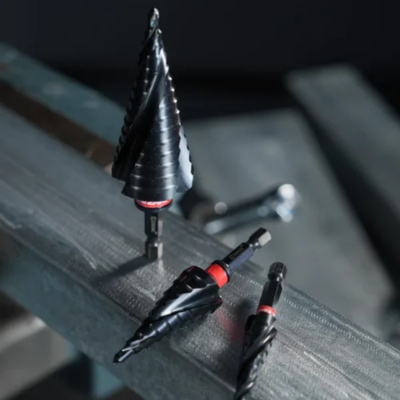
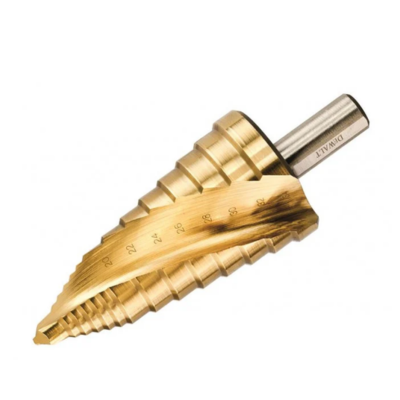
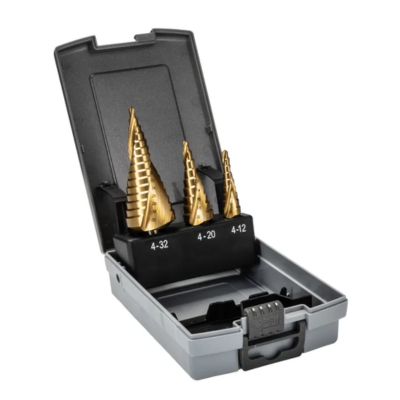
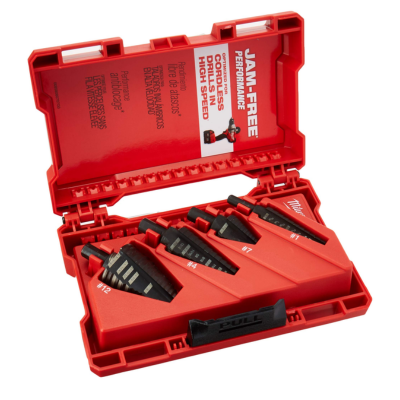


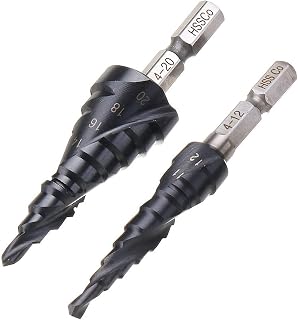


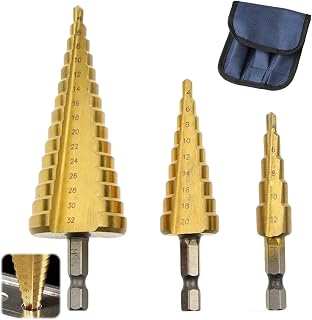


A good step drill bit can make sheet-metal drilling considerably easier by allowing several hole sizes to be produced with one tool. Instead of changing between numerous conventional drill bits, a stepped design uses a series of progressively larger cutting diameters on the same bit. This can be particularly useful for electrical installation work, fabrication, automotive projects, plumbing applications and general workshop tasks where thin materials need clean, accurately sized holes.
However, step drill bits are not interchangeable in performance. The number of steps, diameter range, cutting geometry, material, coating, shank design and intended drilling material all affect how a bit behaves. A product that is well suited to thin aluminium may not be the right choice for thicker stainless steel, while a large professional-grade bit may be unnecessary for occasional DIY work.
When comparing the best step drill bits in the UK, look beyond the number of sizes advertised on the packaging. The more useful questions are whether the bit covers the hole diameters you actually need, whether its construction is appropriate for the material being drilled, whether your drill can drive it effectively and whether the design provides enough control to produce a clean hole.
A step drill bit, sometimes called a stepped drill bit or cone drill bit, has multiple cutting stages machined along a tapered body. Each step corresponds to a particular hole diameter. As the bit penetrates the material, the hole becomes progressively larger until the required step reaches the surface.
This design is particularly effective when drilling thin sheet materials. A conventional twist drill can catch as it breaks through thin metal, whereas a stepped profile can provide a more controlled progression through the material. The individual steps can also help the user enlarge an existing hole without needing a completely different drill bit for every diameter.
Most step drills are designed primarily for sheet metal and similar relatively thin materials. They are not a universal replacement for conventional twist drills, masonry bits, hole saws or specialist cutters. Choosing the correct tool for the material and application remains essential.
Each cutting stage has a defined diameter. For example, a single bit might progress through several commonly required hole sizes rather than providing one fixed diameter. The exact range varies between products, so the specification should always be checked before purchase.
The stepped shape also provides a practical visual reference while drilling. Markings are commonly used to indicate the diameter reached at each stage, although the clarity and durability of those markings can vary considerably between designs.
The main advantage of a step drill is versatility within its intended range. One bit can cover multiple diameters, which can reduce tool changes and make it easier to enlarge holes accurately in thin sheet material.
A conventional twist drill remains preferable for many general drilling applications, particularly when drilling deeper holes in solid material. Twist drills are available in a much wider range of sizes and geometries, and specialist versions are designed for particular materials and temperatures.
The diameter range is one of the first specifications to check. A bit covering a broad range may appear more versatile, but a large range is only useful if it includes the hole sizes required for your projects.
Check the smallest and largest diameter as well as every intermediate step. Do not assume that two products with similar maximum diameters offer the same selection of sizes.
For repeated installation work, closely spaced steps around the diameters you use most often can be more valuable than a wider range containing sizes you rarely need.
The number of steps indicates how many predefined diameters are available on the bit. More steps can provide finer control over hole size, while fewer, larger steps can provide a simpler design.
Step count should therefore be considered alongside the actual diameter increments. A higher number alone does not automatically make one product better.
The cutting edge determines how effectively the bit removes material. A well-designed cutting profile should allow the bit to progress through suitable sheet material without excessive snagging or unnecessary pressure.
Look for clearly defined cutting edges and consistent machining. When comparing products, consider whether the geometry is intended for the materials you plan to drill rather than selecting purely on appearance or step count.
Step drill bits are commonly manufactured from hardened high-speed steel or related cutting-tool materials. The exact grade and manufacturing process can affect hardness, heat resistance, edge retention and durability.
For occasional DIY use, an appropriately specified general-purpose bit may provide all the capability required. For frequent workshop or professional use, construction quality becomes more important because repeated drilling places greater demands on the cutting edges and body.
Some step drill bits have surface coatings intended to improve wear resistance, reduce friction or assist performance under particular cutting conditions. Common coating technologies vary between manufacturers and product ranges.
A coating should not be treated as a guarantee of superior performance. The underlying tool material, cutting geometry, heat management and suitability for the workpiece remain important.
The shank is the section held by the drill chuck or compatible tool holder. Step drill bits can use different shank configurations, so compatibility should be checked before purchase.
A securely held bit is important for both safety and accuracy. If a bit is intended for a standard three-jaw chuck, a product with a substantially different shank arrangement may not be appropriate for the intended drill.
Do not confuse the maximum hole diameter with the shank diameter. A large step drill can still have a relatively compact shank, but the specifications should be checked to make sure it is suitable for the drill being used.
For cordless drills and compact drivers, physical compatibility and the tool's recommended capacity deserve particular attention.
Step drill bits are most closely associated with thin sheet materials. Depending on the specific product, suitable applications may include mild steel, stainless steel, aluminium, copper, brass, plastic and other thin materials. The manufacturer's stated material compatibility should always take priority.
Material thickness is equally important. A step drill may be designed for sheet material rather than thick solid stock. Attempting to force a stepped cutter through material outside its intended application can generate excessive heat and accelerate edge wear.
For steel sheet, choose a bit specifically intended for metal drilling and use an appropriate drilling speed. Excessive speed can generate heat rapidly, particularly when drilling larger diameters.
Stainless steel generally requires more care than mild steel because inappropriate drilling technique can generate heat and encourage work hardening. A step drill specifically rated for stainless steel may be a better choice than a basic general-purpose design.
Use controlled pressure, an appropriate speed and suitable cutting lubricant where the manufacturer's instructions permit or recommend it. Avoid allowing the tool to rub against the workpiece without cutting effectively.
Aluminium is relatively soft compared with many steels, but it can still present problems if chips accumulate around the cutting edges. A suitable cutting geometry and sensible speed can help produce a cleaner result.
Non-ferrous metals can often be drilled effectively with appropriately designed cutting tools. Because these materials can behave differently from steel, avoid assuming that the same speed, pressure and technique will work equally well across every material.
Some step drills can be used for plastics, particularly where a clean, progressively enlarged hole is required. However, plastic can melt, crack or deform if excessive heat or pressure is applied. The material type and thickness should therefore be considered before drilling.
Thin sheet metal presents a different drilling challenge from solid stock. A conventional twist drill can break through abruptly, potentially catching the workpiece or creating a rough exit. A step drill provides a series of cutting stages, allowing the hole to be enlarged progressively.
This can be especially useful when fitting cable glands, conduit components, fasteners, switches, connectors and other hardware that requires a specific hole diameter.
Another advantage is convenience. If several hole sizes are needed during one installation, the operator can often use the same step drill rather than repeatedly changing tools.
Step drills are versatile, but they are not suitable for every drilling job. Understanding their limitations is just as important as understanding their advantages.
For occasional household or workshop jobs, the priority should be practicality rather than buying the largest or most elaborate set available.
Start by listing the hole diameters you commonly expect to drill. Then choose a bit or set that covers those sizes with useful increments. If most of your work involves a narrow group of diameters, a highly targeted bit may be more useful than a large collection.
Also consider how often you will use the tool. A homeowner drilling a handful of holes each year has different requirements from an electrician, fabricator or maintenance professional who may use step drills regularly.
Frequent users should pay closer attention to tool construction, heat management, edge retention, diameter markings and compatibility with their existing equipment.
Brands such as Bosch, DeWalt, Makita, Milwaukee, Irwin and other established cutting-tool manufacturers offer product ranges that may be worth comparing, but brand recognition should not replace specification checking. Different ranges from the same manufacturer can be designed for different materials and applications.
For professional use, consider whether buying several specialised step drills is more practical than relying on one universal bit. A dedicated bit for frequently drilled diameter ranges can reduce unnecessary compromises.
A single bit is often the simplest option when one diameter range covers your requirements. It also reduces the number of tools that need to be stored and maintained.
A multi-piece set becomes more attractive when you regularly drill holes across substantially different diameter ranges. Separate bits can also allow the user to choose a more appropriate cutter for a particular material or application.
Product descriptions can contain several measurements that are easy to confuse. Before buying, identify the minimum diameter, maximum diameter, step increments, overall length, shank diameter and stated material compatibility.
Where available, also check the recommended material thickness and compatible drilling equipment. If the listing only provides a maximum diameter, do not assume that the tool can safely drill any material up to that size.
A large maximum diameter can look impressive, but it may be irrelevant if the required hole sizes are smaller. Examine the complete step sequence rather than one headline measurement.
A general-purpose description does not mean that a bit is equally suitable for every metal. Check whether the manufacturer specifically identifies the materials you intend to drill.
Stainless steel can place greater demands on cutting tools and drilling technique. If stainless is a regular part of your work, prioritise a product specifically designed or rated for it.
A low purchase price does not necessarily represent good value if the steps do not match your requirements, the markings are difficult to read or the construction is unsuitable for the materials you use.
Always verify that the shank is compatible with your drill or tool holder. A bit is of little practical use if the chosen equipment cannot securely accommodate it.
Step drills are specialised tools. Treating one as a universal replacement for twist drills, masonry bits and specialist cutters can lead to poor results and unnecessary tool wear.
Correct technique can make a significant difference to hole quality and tool life. Secure the workpiece firmly before drilling and mark the intended hole position accurately.
Use the drilling speed recommended for the particular product and material. Apply controlled pressure rather than forcing the bit through the workpiece. Allow the cutting edges to remove material rather than relying on excessive feed pressure.
When the required diameter is reached, stop drilling rather than unnecessarily progressing to the next step. This helps maintain the intended hole size and avoids creating an oversized opening.
Support thin sheet material wherever practical and make sure the workpiece cannot rotate or move unexpectedly. Begin at a controlled speed and allow the relevant cutting stage to engage progressively.
For larger holes, pay particular attention to heat generation. Larger cutting diameters generally remove more material per revolution, so appropriate speed and technique become increasingly important.
A clean result depends on more than the bit itself. Accurate marking, secure workholding, suitable speed, correct pressure and an appropriate cutting tool all contribute to the finished hole.
If the application requires a precise finished diameter, verify the result with an appropriate measuring tool rather than relying solely on the printed step marking.
The answer depends on the bit, workpiece and manufacturer's recommendations. Cutting fluid can assist with heat control and lubrication in suitable metal-drilling applications, but not every material or drilling situation should be treated identically.
For metalworking, follow the cutting-tool manufacturer's guidance for lubrication and drilling speed. When working with plastics or other heat-sensitive materials, the appropriate technique may be different.
Good chip clearance and sensible drilling speed are important regardless of whether lubricant is used.
Heat is one of the main factors affecting cutting-tool performance. Running a step drill too quickly, applying excessive pressure or allowing the bit to rub instead of cut can increase temperature and accelerate wear.
As the diameter increases, drilling conditions generally need greater attention. The correct spindle speed is influenced by factors including cutting diameter, material and tool construction.
Do not rely on a single drill setting for every material. Use the manufacturer's recommended speed where available and adjust the approach to the workpiece.
There is no universal service life for a step drill bit. Longevity depends on the bit's construction, material being drilled, thickness, drilling speed, pressure, lubrication, frequency of use, workholding and general handling.
A bit used occasionally in suitable thin sheet material may experience very different wear from one used repeatedly on harder metals in a professional workshop.
Rather than judging value by an assumed number of holes, compare the intended application, construction quality and replacement cost with how frequently you expect to use the tool.
Do not continue using a damaged cutting tool simply to extract a little more service from it. A worn or damaged bit can produce poor results and place additional demands on the drill and workpiece.
Good storage helps protect the cutting edges from accidental damage. Keep step drills separated from loose tools where possible, particularly if the cutting edges could strike other hardened metal objects.
After use, remove swarf and debris according to the manufacturer's recommendations. If the tool has been used with cutting fluid, clean and dry it appropriately before storage to help prevent unwanted contamination or corrosion.
Do not grind or modify the stepped profile unless the manufacturer specifically provides an approved maintenance procedure. Altering the geometry can change the cutting characteristics and intended diameter.
When researching a step drill, established brands can provide a useful starting point because their product ranges often make it easier to identify intended applications and specifications. Bosch, DeWalt, Makita, Milwaukee and Irwin are among the recognisable names worth including in a comparison.
However, the correct choice should still be based on the individual product specification. A premium brand does not mean every bit in its range is suitable for every material, while a less familiar manufacturer should not automatically be dismissed if its specifications meet the requirements.
Bosch has a broad range of professional and DIY-oriented drilling accessories. When comparing Bosch step drills, check the exact product specification rather than relying on the brand name, particularly for material compatibility and diameter range.
DeWalt is widely associated with professional power tools and accessories. Its drilling accessories can be worth considering where compatibility with an existing DeWalt tool system and the required drilling application are important.
Makita offers extensive power-tool and accessory ranges. When considering a Makita step drill, compare the actual cutting dimensions, material suitability and tool requirements with competing products.
Milwaukee is another established professional tool brand with a wide accessory portfolio. For frequent users, its products can be included in a broader comparison alongside other professional-grade options.
Irwin is a familiar name in drilling and cutting accessories. Its step drill options can be considered where the specifications, size range and intended application align with the project.
Budget should be considered alongside usage rather than treated as the sole measure of value.
For occasional DIY use, the most important factors may be the correct diameter range, secure shank and suitability for the materials involved. Paying considerably more for features that will never be used may not offer meaningful benefits.
For frequent users, greater emphasis can be placed on construction, cutting performance, edge retention, coating, material compatibility and the convenience of having several useful diameter ranges available.
For professional work, downtime and inconsistent hole quality can be more costly than the initial price difference between suitable tools. In that context, specification, reliability and application suitability generally deserve greater weight.
Good value is not necessarily the lowest price. A useful step drill should provide the diameters you need, work with your equipment and be appropriately specified for your materials.
Consider the cost in relation to expected use. A bit that is inexpensive but unsuitable for the majority of your projects is poor value, whereas a more specialised product may be worthwhile if it repeatedly solves the exact problem for which it was purchased.