

♥ Wishlist
Compare 56 verified Metabo Case products in United Kingdom. Reviews, ratings, pros, cons and buying advice updated for October 2026.






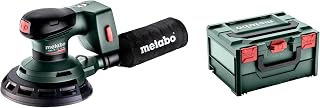





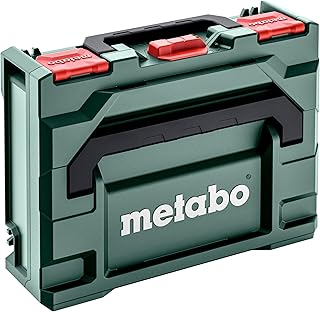

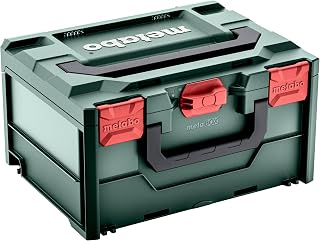

A Metabo case is not simply a container for storing a power tool. The right case can make a noticeable difference to how easily equipment is transported, organised and protected between jobs. For professional users, the case also becomes part of a wider storage system, so compatibility, stacking and internal layout can matter just as much as the external dimensions.
One important point when comparing Metabo cases is that the brand has used more than one case-system name over time. Current Metabo equipment can be supplied in metaBOX formats, while older tools and accessories may be associated with MetaLoc cases. The name printed on a listing therefore deserves closer attention than a generic description such as “Metabo tool box”. Metabo's current UK product pages, for example, list the metaBOX 145 L with a range of cordless drills and other machines.
When searching for a replacement or additional Metabo case, start by identifying the system rather than choosing solely by appearance. A case that looks large enough may still be unsuitable if the internal insert, fixing arrangement or stacking interface does not match your tool.
Case size should be determined by the complete load rather than the bare tool. A cordless drill may fit comfortably without its battery, side handle or charger but become difficult to organise once the accessories you actually use are included.
Before buying, make a list of everything that needs to travel together. This might include the tool, one or more battery packs, charger, side handle, depth stop, bits, discs, blades, extraction accessories and small consumables. A case that accommodates the machine perfectly but leaves no sensible space for essential accessories may prove less useful than a slightly larger alternative.
Current Metabo product specifications demonstrate why this matters. Several cordless machines are supplied with a particular metaBOX size as part of the delivery scope, rather than simply being described as compatible with any Metabo case. For example, the BS 18 LTX-3 BL Q I Metal is supplied with a metaBOX 145 L, as is the SB 18 LTX Impuls.
Hard-shell tool cases are generally chosen for protection, organisation and repeat transportation. However, the quality of a case is not determined by the thickness of its plastic alone. Hinge design, catches, handle attachment, lid rigidity, internal support and the way the tool is retained can all affect practical durability.
A rigid shell is useful when the case will be carried in a van, placed on a workshop floor or transported alongside other equipment. Look for a shell that does not flex excessively when handled and that protects the tool from ordinary knocks encountered during transportation.
Small hardware components can become the weak point of an otherwise robust case. Examine the catches for positive engagement and check whether the hinges are protected from obvious impact. If the case will be opened many times each working day, simple and dependable hardware can be more valuable than an elaborate closure mechanism.
A well-positioned handle should keep the case balanced when the contents are loaded. This becomes increasingly important with larger cordless tools, multiple batteries and metal accessories. If the case feels awkward when lifted empty, it is unlikely to become more comfortable when fully loaded.
The internal inlay deserves as much attention as the outside of the case. A shaped insert can stop the tool from sliding around, protect vulnerable controls and keep accessories separated. For an existing Metabo tool, identifying the correct inlay can therefore be more important than choosing the largest available box.
A common buying mistake is to assume that the biggest case is automatically the best. In practice, excessive empty space can allow a tool to move during transport, while loose batteries and accessories can collide with the machine.
The ideal arrangement provides enough room without turning the case into a general-purpose storage bin. Dedicated spaces for batteries, chargers and frequently used accessories can make a case considerably more useful on site.
Prioritise a secure tool position, battery storage and room for the commonly used chuck or bit accessories. If you regularly switch between drilling and screwdriving, make sure the case accommodates the accessories without forcing them against the tool.
Allow for the additional length and bulk of the machine, side handle and drilling accessories. A case intended for a compact drill should not be assumed to accommodate a rotary hammer simply because both tools use the same battery platform.
Metabo's BH 18 LTX BL 16, for instance, is supplied with a metaBOX 145 L and has a stated weight of 1.6 kg without its battery. The case requirement is therefore influenced by the physical form of the complete machine rather than battery voltage alone.
For daily trade use, durability and workflow should take precedence over cosmetic features. A case that is opened dozens of times each week needs to be convenient, easy to carry and capable of protecting expensive equipment from routine transport.
Look for an arrangement that accommodates the primary tool alongside batteries, chargers, drivers and smaller accessories. Compact organisation can be particularly valuable where several cases are carried to the same job.
Consider whether the case can accommodate longer tools or whether separate storage is required for blades and accessories. Sharp consumables should be positioned so they cannot damage the tool, case or other contents.
Prioritise a robust case with sufficient space for the machine, batteries and the attachments used most often. A slightly roomier configuration can make sense when carrying multiple specialised accessories, provided the contents remain secure.
Stackability, portability and protection are likely to matter more than having a perfectly shaped insert for every accessory. Consider how the case will be stored in a van and whether several cases need to be moved together.
A professional modular case system is not always necessary. If the tool is used occasionally and normally stored in a garage or workshop, a simpler case may provide better value. The priority should be protecting the machine and keeping essential accessories together without paying for features that will rarely be used.
Compatibility is one of the most important issues in any Metabo case comparison. Do not rely solely on photographs, product titles or phrases such as “universal tool case”. Check the exact tool model number wherever possible.
Metabo's product specifications illustrate the importance of checking delivery scope rather than relying on a generic product category. Current UK listings explicitly state the included case alongside the machine and, in several examples, identify the exact metaBOX model.
When comparing several cases, it helps to rank features according to how they affect your actual use. Not every buyer needs the same specification.
A rigid case is not automatically the right answer. A tool bag can be preferable when you need quick access, flexible storage or space for several loosely shaped accessories.
Metabo's own tool bags demonstrate the distinction. Its small bag is specified with multiple internal compartments for battery packs and a charger, exterior pockets and a stable base, while the larger model provides additional internal and external storage. The listed construction uses water-repellent, tear-resistant 600D polyester.
Choose a bag when rapid access and flexible capacity are more important than rigid protection. Choose a hard case when protecting a precision tool, maintaining a fixed layout or stacking equipment is the greater priority.
If you own several Metabo machines, think beyond one case. A modular storage approach can reduce the amount of time spent searching for equipment and can make vehicle storage more orderly.
Check how cases connect, whether the mechanism is compatible across the specific generations you own and whether the total stack height remains practical for your vehicle or workshop. Never assume that two cases with similar dimensions will necessarily lock together.
Modern Metabo equipment also shows how storage is increasingly treated as part of the wider tool ecosystem. The company's UK product information identifies metaBOX storage with several current machines, while its cordless cooling box is described as stackable on new metaBOX systems.
Metabo should not be compared with other storage brands purely on appearance. The better comparison is between the complete ecosystems and the way each one fits your existing tools.
The objective is not to identify one universally superior case. The best system is the one that securely accommodates your equipment, integrates with the storage you already own and suits the way you transport tools.
Two cases can look almost identical while having different dimensions or internal inserts. Always prioritise the specification and model number over photographs.
An empty case may appear inexpensive until the cost and availability of the appropriate insert are considered. Work out the complete cost before comparing alternatives.
More capacity is not automatically better. Excess space can allow equipment to move around and may make the case heavier and less convenient.
Cordless tools can have a very different footprint with a battery attached. If the tool is normally transported ready for work, measure it in that configuration.
The Metabo name on a case does not by itself establish compatibility. Case generation, size, insert and tool model should all be checked.
Retail listings sometimes use photographs showing a tool inside a case even where the exact delivery configuration differs. Read the “scope of delivery” section carefully before making a purchase.
A reliable comparison can be completed in a few minutes if you use a consistent checklist.
Tool cases generally require little maintenance, but regular inspection can prevent small problems from becoming expensive failures.
There is no sensible universal replacement interval for a tool case. Service life depends on frequency of transport, load, handling, storage conditions and exposure to dust, moisture and impact.
A case used occasionally in a home workshop may remain useful for many years, while a case repeatedly loaded into a commercial vehicle can experience substantially more wear. Inspect the condition rather than replacing it according to an arbitrary timetable.
The most important warning signs are cracked plastic, loose handles, unreliable catches, damaged hinges, distorted lids and internal inserts that no longer retain the tool properly.
The answer depends on what is being protected and how frequently the case is used. For an expensive cordless machine used every day, better organisation and stronger protection can justify spending more. For an inexpensive tool that rarely leaves the workshop, a simpler storage solution may be perfectly adequate.
Consider the value of the complete equipment inside the case rather than the case in isolation. A modest difference in storage cost can be easier to justify when the case is protecting a high-value professional tool, several batteries and specialist accessories.
No. The supplied storage configuration depends on the individual tool and product variant. Current Metabo UK listings show some machines supplied with a specified metaBOX, while other configurations can differ. Always check the exact delivery scope for the model you are buying.
Separate cases and storage accessories can be available, but suitability depends on the case generation, size and internal arrangement. Do not assume that an empty case includes the insert required for your machine.
No. They are names associated with different Metabo storage formats and generations. If you are replacing an older case, identify the original system before ordering a replacement.
No. Extra external capacity does not guarantee the correct internal fit. The shape and retention of the tool should be checked against the specified insert and case dimensions.
Do not assume that a hard tool case is fully waterproof unless the manufacturer specifically states an appropriate protection rating or water-resistance specification for that particular model. A case can protect against ordinary transport conditions without being designed for immersion or prolonged exposure to rain.
Some Metabo storage configurations are specifically designed to accommodate batteries and charging equipment, but capacity varies. Check the exact case layout rather than assuming that every case has dedicated battery or charger storage.
If the case is dedicated to one tool, a correctly matched inlay is usually the more straightforward choice because it provides purpose-built retention. An empty case becomes more attractive when you need to create a custom storage arrangement.
For most buyers, compatibility with the exact tool should come first. After that, consider internal retention, protection, dimensions, portability, stacking and accessory capacity.
The strongest Metabo case choice is not necessarily the largest, cheapest or most heavily featured option. It is the case that matches the exact tool, protects it properly, keeps the accessories organised and fits naturally into the way you transport and store your equipment.
For a current Metabo tool, starting with the manufacturer's specified case and delivery configuration is the safest route. Current UK product information shows that specific machines are supplied with named metaBOX sizes, making the exact model number a much better starting point than a generic search for a “Metabo case”.
For older equipment, pay particular attention to the case generation and inlay. For mixed-brand workshops, compare the wider storage ecosystem rather than judging one case in isolation. And for occasional DIY use, keep the decision proportionate: reliable protection and sensible organisation matter more than paying for a professional modular system you will rarely use.
Ultimately, the best Metabo case is the one that provides a secure fit, practical capacity, dependable transport and sensible long-term value for the specific equipment you own.