

♥ Wishlist
Compare 34 verified Diamond Blades products in United Kingdom. Reviews, ratings, pros, cons and buying advice updated for October 2026.
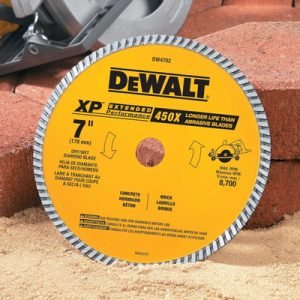
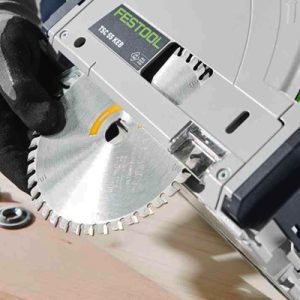
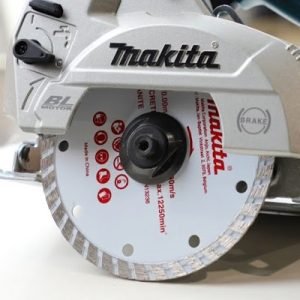
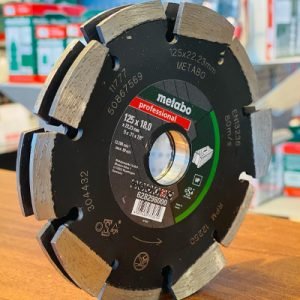
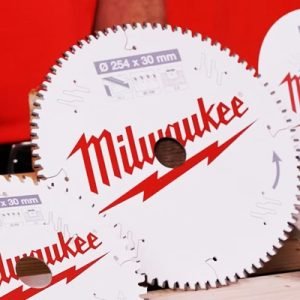

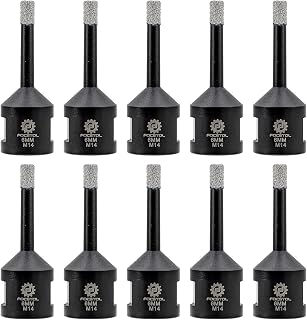


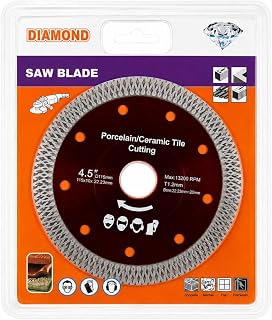


Choosing a diamond blade is less about finding the most expensive option and more about matching the blade to the material, cutting method and machine. A blade designed for concrete may behave very differently from one intended for porcelain, ceramic tile, natural stone or asphalt. The wrong combination can result in slow cutting, excessive wear, poor edge quality or unnecessary strain on the tool.
Before comparing individual diamond blades, identify exactly what you intend to cut, the type of machine you will use and whether the job requires fast material removal or a particularly clean finish. These factors should carry more weight than appearance, brand familiarity or a simple star rating.
A diamond blade is a cutting disc manufactured with diamond abrasive particles incorporated into a cutting rim or segment. Diamond is extremely hard, making it suitable for cutting abrasive and hard materials that would quickly wear down many conventional cutting discs.
The diamond particles are normally held within a metal bond. As the blade cuts, the bond wears and exposes fresh diamond particles. This interaction between diamond exposure, bond hardness and the material being cut is central to how a blade performs.
Diamond blades are available in several designs, including segmented, continuous-rim and turbo-style configurations. The best design depends on the application rather than on the blade being universally better or worse.
Segmented blades have distinct cutting segments separated by gullets. The gaps can help with debris removal and cooling, making this style particularly common for demanding construction materials such as concrete, masonry and some types of brick.
They are often considered when cutting speed and durability are more important than achieving the finest possible edge. The resulting cut can be less refined than that produced by a continuous-rim blade, so they are not automatically the best choice for visible decorative surfaces.
Continuous-rim blades have an uninterrupted diamond cutting edge. They are commonly associated with applications where a cleaner cut is important, including ceramic tiles, porcelain tiles and certain stone products.
The continuous edge can reduce the likelihood of aggressive chipping when the blade is correctly matched to the material and used with an appropriate machine and cutting technique. Cutting speed, however, should not be judged independently of finish quality.
Turbo blades typically use a continuous or near-continuous rim with a patterned or serrated profile. They are intended to combine some of the cutting characteristics of segmented and continuous-rim designs.
Depending on the specific blade and material, a turbo profile can offer a useful balance between cutting speed and finish. Always check the manufacturer's stated application rather than assuming that every turbo blade is suitable for every masonry, tile or stone material.
Wet-cutting blades are designed to operate with water during cutting where the blade and machine are intended for that method. Water can assist with cooling and dust suppression and can be particularly useful for applications involving materials that generate substantial fine particulate matter.
Wet cutting requires equipment that is specifically appropriate for the task. Water and electrically powered equipment require careful attention to the machine manufacturer's instructions and safe working practices.
Dry-cutting blades are designed for applications where water is not used. They can be convenient for work where a wet-cutting setup is impractical, but dust management becomes particularly important.
A dry-cutting blade should never be assumed to be interchangeable with a wet-cutting blade simply because both have the same diameter or arbor size. The blade's intended cutting method is an important specification to verify before use.
For concrete, look for a blade explicitly designed for concrete cutting and check whether it is intended for cured concrete, reinforced concrete or another specific concrete application. Reinforcement, aggregate type, concrete hardness and cutting depth can all influence blade wear.
Segmented designs are common for construction cutting because the segment arrangement can support efficient debris removal. However, the exact blade specification matters more than the general category alone.
Reinforced concrete presents a more demanding cutting environment because the blade may encounter both mineral aggregate and metal reinforcement. A suitable blade should therefore be selected according to the manufacturer's application guidance rather than simply choosing a general-purpose masonry blade.
Check the permitted machine type, maximum operating speed and intended material before cutting. If the work involves substantial structural cutting, professional assessment and appropriate equipment may be necessary.
Masonry blades are commonly selected for brick, block and similar construction materials. The correct choice depends on the hardness and abrasiveness of the material and whether the priority is rapid cutting or a cleaner finish.
Highly abrasive masonry can wear some bonds quickly, while a blade that is too hard for the application may not expose fresh diamond effectively. This is one reason a blade advertised as “long life” is not necessarily the best performer in every material.
Porcelain is dense and relatively hard, so a blade specifically intended for porcelain is generally preferable to an unspecified general-purpose blade. If the visible surface needs a clean edge, a suitable continuous-rim design may be worth considering.
Cutting technique also matters. Excessive pressure, an unsuitable blade, incorrect machine speed or inadequate cooling can all affect the quality of the finished edge.
Ceramic tile generally requires a different approach from heavy concrete cutting. Where appearance matters, choose a blade intended for ceramic or tile applications and pay attention to the manufacturer's recommended cutting method.
The thickness, glaze and construction of the tile can influence the cutting result, so the phrase “tile blade” alone does not provide enough information to determine suitability for every tile.
Natural stone covers a wide range of materials, including products with very different hardness, density and composition. Marble, granite, slate and other stones should not automatically be treated as interchangeable.
For valuable or visible stone, prioritise a blade explicitly specified for the material and cutting application. A clean edge may be more important than maximum cutting speed, particularly when replacing or finishing a visible surface.
Granite can be demanding because of its hardness and mineral composition. A suitable stone-cutting diamond blade should be selected according to the manufacturer's stated application, diameter and machine requirements.
Where the cut will remain visible, consider edge quality, vibration control and the required finish alongside cutting speed.
Asphalt is abrasive and can require a blade with a specification suited to this particular application. A blade intended primarily for concrete should not automatically be regarded as suitable for asphalt.
As with all diamond blades, matching the bond and blade design to the material is important for balancing cutting performance with service life.
Blade diameter must be compatible with the machine and the intended cutting application. A larger blade is not automatically better: the machine must be designed to operate with that diameter and provide the required clearance and speed.
Common sizes exist across different tools, but compatibility should always be confirmed against the machine manufacturer's instructions.
The arbor, or bore, is the central hole through which the blade mounts to the machine. The blade must be compatible with the tool's spindle and mounting system.
Do not rely solely on an apparent visual fit. Check the exact specification and any permitted adapter arrangements before installation.
The blade's maximum permitted rotational speed is a critical specification. The machine's operating speed must be compatible with the blade's rating.
Never assume that a blade with the correct diameter is safe simply because it physically fits the tool. Operating a blade outside its specified limits can create serious safety risks.
Maximum cutting depth depends on the blade diameter, machine design and cutting configuration. If the job requires a particular depth, check the actual usable cutting capacity rather than assuming that the blade diameter directly corresponds to cutting depth.
Check whether the blade is designed for wet cutting, dry cutting or both. This distinction affects how the blade should be used and what equipment is appropriate.
For segmented blades, segment dimensions and configuration can provide useful information when comparing products intended for demanding masonry or construction applications. A larger segment does not by itself guarantee superior performance because the bond composition, diamond concentration and application are also important.
The bond controls how quickly the metal surrounding the diamond abrasive wears away. The relationship between bond hardness and material abrasiveness is important when selecting a blade.
A relatively hard material can require a blade that exposes fresh diamond effectively, while a highly abrasive material can wear a softer bond rapidly. Conversely, selecting an excessively hard bond for a particular material may reduce the rate at which new diamond is exposed.
This means “harder bond” and “longer-lasting blade” should not be treated as universal equivalents. Blade performance is application-dependent.
Diamond concentration refers broadly to the amount of diamond abrasive incorporated into the cutting structure, while diamond grit relates to abrasive particle size. These characteristics can influence cutting behaviour, finish and durability.
Fine diamond grit can be useful where a controlled, clean finish is important, whereas coarser abrasive characteristics can be appropriate for certain aggressive cutting applications. The manufacturer's intended-use information remains the most reliable way to interpret these specifications for a particular product.
Comparing blades purely by price or review score can produce misleading results. A better comparison considers several specifications together.
A general-purpose blade can be convenient, but “universal” does not mean optimal for every material. If a project involves expensive porcelain, hard stone or demanding reinforced concrete, a purpose-designed blade can be a more sensible comparison point.
A blade is only part of the cutting system. Diameter, arbor, RPM, machine type and cutting method must all be compatible.
The cheapest blade can appear attractive until poor material compatibility leads to slow cutting or rapid wear. Conversely, paying more does not guarantee better results if the blade is unsuitable for the job.
Segment count and segment dimensions should be interpreted alongside the blade's intended material and design. More segments do not automatically mean faster cutting or longer life.
A blade selected for rapid construction cutting may not be the ideal option where the finished edge will remain visible. Consider the appearance requirements before prioritising cutting speed.
Maximum RPM is a fundamental compatibility specification. Always compare the blade rating with the machine's operating characteristics before use.
Correct blade selection is only part of the equation. Cutting technique, machine condition and material setup can all influence performance.
Proper storage can help prevent unnecessary damage before the blade is used. Keep blades protected from impacts, moisture and contamination where the manufacturer recommends doing so.
After use, inspect the blade for visible damage, unusual wear or other conditions that could affect safe operation. A blade should not be used merely because it still appears to have cutting material remaining; its overall condition and suitability for continued use also matter.
Follow the manufacturer's instructions for cleaning and storage rather than applying aggressive chemicals or mechanical cleaning methods that could damage the cutting structure.
Replacement should be based on the blade's condition and the manufacturer's guidance, not simply on an arbitrary number of cuts. Signs that warrant stopping work and inspecting the blade include visible damage, abnormal vibration, unexpected cutting behaviour or other changes from normal operation.
If the blade becomes difficult to control, produces unusual results or shows damage to its cutting structure, do not continue using it until its suitability has been established. Safety should take precedence over trying to extract a few additional cuts from a worn blade.
Diamond blades operate at high rotational speeds and can present significant hazards if incorrectly selected, installed or used. Always read the blade and machine manufacturer's instructions before operation.
When researching diamond blades, established manufacturers can provide useful specification information and application guidance. Brands commonly encountered in the UK market include Bosch, DeWalt, Makita, Norton, Milwaukee, Evolution and Hilti.
This does not mean one brand is automatically the best choice. Product ranges differ considerably, and a particular blade from one manufacturer may be more appropriate for a specific material than a superficially similar blade from another. Compare the individual product specification rather than choosing solely by brand reputation.
For occasional DIY work, convenience, compatibility and a sensible balance between purchase cost and expected use may be the main considerations. A professional contractor making repeated cuts may place greater emphasis on productivity, blade life, consistency and suitability for a particular material.
Frequency of use can therefore change what “best” means. A blade that is economical for a small home project may not be the most appropriate choice for continuous professional work, while a specialist professional blade may offer little practical advantage for an occasional task if the additional specification is unnecessary.
Customer reviews can be valuable, but they are most useful when the reviewer provides enough information to understand the context. Look for comments that identify the material, cutting method, machine and approximate type of work.
A review saying that a blade was “excellent” provides limited technical information. A review explaining that the blade was used on a particular tile, concrete type or masonry application gives much more useful evidence for comparison.
Also look for recurring patterns rather than relying on one unusually positive or negative comment. Reviews can reflect differences in technique, equipment, material and expectations.
Prioritise a blade specifically designed for tile, porcelain or the particular surface being cut. A continuous-rim or specialist tile design may be appropriate where edge quality is important. Confirm whether wet operation is required and consider the thickness and finish of the tile.
Look for a blade designed specifically for masonry, brick or block and compare segmented or turbo designs according to the manufacturer's stated application. Cutting speed should be assessed alongside blade life and the required finish.
Choose a blade explicitly specified for the type of concrete involved. Cured concrete, reinforced concrete and highly abrasive aggregate can create different demands, so a general masonry blade should not automatically be treated as equivalent to a dedicated concrete blade.
Start with the exact stone rather than the broad category of “stone”. Compare blades intended for granite, marble, slate or other relevant materials, particularly where the finished edge is visible.
The best diamond blade depends on the material, machine, cutting method and desired finish. There is no single blade that is ideal for every application. Start by identifying the exact material and then compare blades that are explicitly specified for that material.
Some blades are marketed for multiple materials, but suitability should be confirmed from the manufacturer's specification. A blade optimised for concrete may not provide the edge quality required for visible tile work.
For hard mineral-based materials, diamond blades can offer significant advantages because of their diamond abrasive cutting structure. The appropriate blade still depends on the material and machine, and a diamond blade is not automatically suitable for every cutting task.
There is no universal service-life figure. Blade life depends on the material, blade design, bond, cutting conditions, machine, operator technique and amount of use. Manufacturer specifications and application guidance are more useful than assuming a fixed number of cuts.
Some diamond blades can be dressed or refreshed under particular conditions, but this depends on the blade construction and manufacturer's instructions. Do not assume that every worn blade can or should be reconditioned.
Only use a blade for metal when it is specifically designed and rated for that application. A diamond blade intended for masonry, concrete or tile should not be assumed to be suitable for cutting metal.
Only when the blade is designed or approved for dry cutting. Check the manufacturer's instructions before operating a blade without water.
Neither is universally better. Turbo and segmented designs have different cutting characteristics, and the preferred option depends on the material, required finish, cutting speed and machine.
No. Price alone cannot establish suitability or service life. A specialist blade used in the correct material can outperform a more expensive blade that is poorly matched to the application.
Ratings are useful as one part of the research process, but they should be considered alongside specifications and reviews relevant to the material and machine you will actually use.
The most reliable way to choose a diamond blade is to work backwards from the job. Identify the exact material, decide whether cutting speed or finish quality matters most, establish whether wet or dry cutting is appropriate, and then verify the blade diameter, arbor, RPM and machine compatibility.
Once those requirements are established, compare reputable manufacturers and individual blade specifications rather than choosing solely by price or overall rating. Bosch, DeWalt, Makita, Norton, Milwaukee, Evolution and Hilti are among the established names worth considering, but the specific blade's application rating remains more important than the logo on the packaging.
For commercial investigation, the strongest comparison is therefore not simply “which diamond blade has the highest rating?” but “which blade is correctly engineered for the material, machine and finish I need?” That distinction can help narrow a large selection of products into a much more relevant shortlist.
Before choosing any diamond blade, recheck the complete specification against your machine and project. Confirm the blade diameter, arbor size, maximum RPM, wet or dry suitability, intended material, cutting depth and blade design. It is also sensible to review the latest manufacturer information and verified customer feedback before making a final decision, as product specifications and availability can change.
A well-matched blade should be treated as part of a complete cutting system rather than as an isolated accessory. Taking a few minutes to verify compatibility can be more valuable than choosing a product simply because it has a high rating, familiar brand name or attractive price.