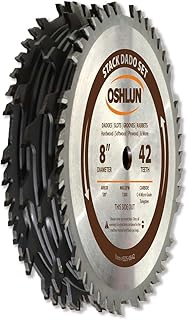

Best Explore the Best Saw Blades for Every Cutting Job Products online UK (United Kingdom)
Explore our real-time updated product directory index curated for performance, verified star metrics, and historical consumer trust rankings.
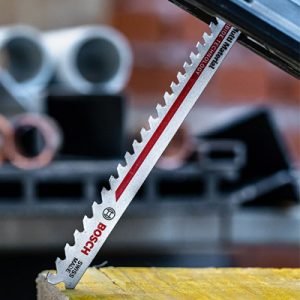
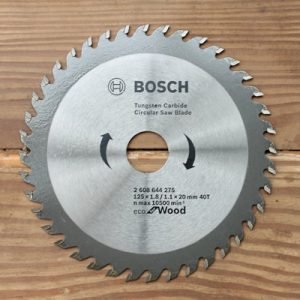

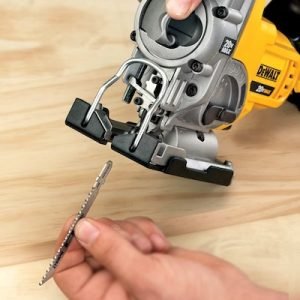
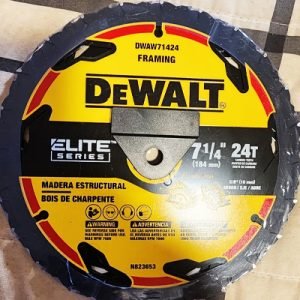
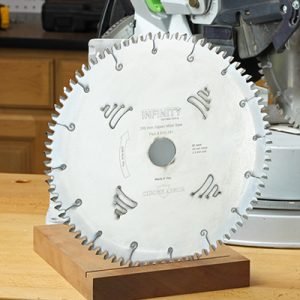





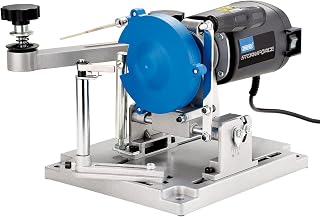


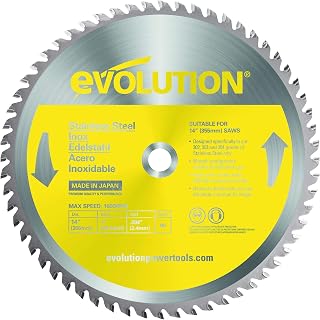


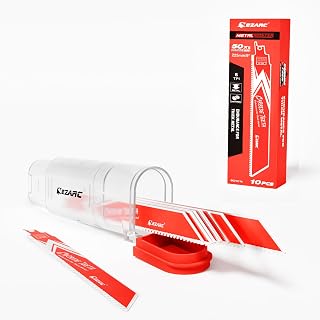


The right saw blade is essential for achieving clean, controlled and efficient cuts. A blade designed for one material or machine may perform poorly when used for another, so it is important to match the blade to both the saw and the job. Our saw blade category brings together a broad selection of products covering common cutting applications, including woodworking, metal cutting, construction, renovation and general DIY.
For straight cuts in timber, sheet materials and other workpieces, circular saw blades are a popular choice. They are available in different diameters, bore sizes and tooth configurations, allowing you to select a blade for everything from faster rough cuts to smoother finishing work. Tooth count is particularly important: blades with fewer teeth can prioritise cutting speed and material removal, while higher tooth counts can provide a finer finish when used with suitable materials and machines.
Compatibility should always be checked before buying a replacement blade. Consider the saw type, blade diameter or length, bore or fitting, maximum permitted speed and the manufacturer's specifications. A correctly sized blade is important for safe operation and reliable performance. The category includes blades associated with circular saws, jigsaws, reciprocating saws, band saws and table saws, as well as specialist cutting applications.
Circular saw blades are suited to fast, straight cutting and are available for applications involving timber, boards, plastics, aluminium and certain metals. When selecting a circular blade, check the diameter and bore as well as the tooth configuration and intended material. TCT options are widely used for demanding woodworking and construction applications where durability and consistent cutting performance are important.
Jigsaw blades are designed for curved, intricate and straight cuts. Wood blades, metal blades and specialist options use different tooth patterns and materials to suit the workpiece. Blade length, shank type and tooth configuration should all be checked against the jigsaw being used. For detailed DIY and woodworking, selecting the correct blade can help reduce splintering and improve control.
Reciprocating or sabre saw blades are particularly useful for renovation, demolition, construction and heavy-duty cutting. They can be designed for timber, metal, plastics, pruning and mixed materials. Blade length, thickness and teeth per inch are useful specifications when choosing a blade for a particular task. Bi-metal and carbide options can provide additional durability for demanding applications.
Band saw blades use a continuous loop and are available for woodworking and metalworking. Wood blades can be selected for straight or curved cutting, while metal-cutting band saw blades are designed to handle materials such as steel and aluminium. Tooth pitch and blade dimensions should be matched to the machine and material to achieve consistent results.
Table saw blades are commonly selected for accurate rip cuts, crosscuts and other woodworking applications. The ideal tooth configuration depends on whether speed, general-purpose cutting or a finer finish is the priority. Always confirm the blade diameter, bore and machine compatibility before fitting a replacement.
Start by identifying the material you need to cut and the saw you will use. Next, check the blade dimensions and fitting requirements. For circular blades, diameter and bore are essential; for reciprocating and jigsaw blades, length and shank compatibility matter; and for band saws, the blade length, width and tooth pitch must match the machine. You should also consider the desired finish, cutting speed and expected workload.
For timber and sheet materials, tooth configuration can help determine whether a blade is better suited to rapid cutting or finishing work. Metal-cutting blades require suitable tooth geometry and construction for the particular metal. Specialist blades are also available for materials such as aluminium and fibre cement. Using a blade intended for the material can improve cutting performance and help avoid premature wear.
Whether you are replacing a worn blade, preparing for a woodworking project or looking for a specialist metal-cutting option, comparing the correct specifications makes the buying process easier. Explore the available saw blade options and compare machine compatibility, dimensions, tooth count, material suitability and intended application before making your choice.
Find the right saw blade for accurate, efficient cutting with our UK-focused selection of blades for woodworking, metalworking, construction and DIY. From circular and table saw blades to jigsaw, reciprocating and band saw blades, choosing the correct blade can make a significant difference to cutting speed, finish quality and blade life. Compare options by saw type, material, diameter, tooth count and cutting application to find a blade suited to your project.