
Best Milwaukee Saw Blades Products online UK (United Kingdom)
Explore our real-time updated product directory index curated for performance, verified star metrics, and historical consumer trust rankings.


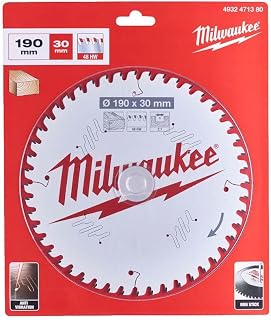


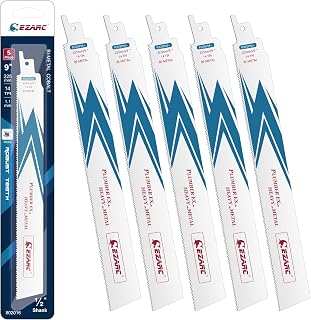


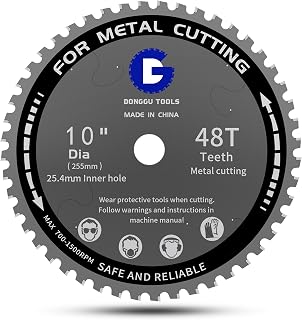


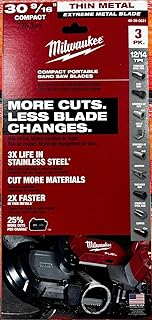


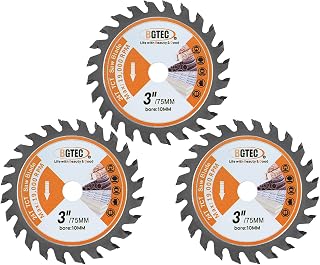
Milwaukee saw blades are designed for users who need dependable cutting performance across demanding workshop, construction and maintenance applications. The right blade can make a significant difference to cutting speed, finish quality, control and overall efficiency. This category brings together Milwaukee-compatible saw blade options covering several common saw formats and cutting requirements, making it easier to compare products before choosing the most suitable blade for your tool and material.
When selecting a saw blade, compatibility should always be considered first. A blade needs to match the saw it is intended for, including the correct diameter or length, arbor or fitting, tooth configuration and application. Milwaukee products in this category include options associated with circular saws, reciprocating saws, band saws and other cutting tools. Some listings are genuine Milwaukee products, while other blades are compatible with Milwaukee equipment, so checking the product specification before purchase is important.
The material being cut is one of the most important factors when choosing a blade. Wood generally benefits from tooth profiles designed for fast or clean timber cutting, while metal applications require blades engineered for the greater resistance and heat generated during cutting. Specialist blades can also be selected for particular materials or demanding applications. Choosing a blade intended for the material helps achieve more consistent results and can reduce unnecessary wear.
Circular saw blades are available in different diameters, tooth counts and configurations to suit different cutting tasks. Lower tooth counts can favour faster cutting, while higher tooth counts are commonly selected when a finer finish is required. Before buying, check the blade diameter, bore size, reduction rings where applicable and the maximum specification supported by your saw. This is particularly important when replacing an existing blade with a different size or tooth configuration.
Reciprocating saw blades are useful for demolition, construction, maintenance and cutting applications where speed and access are important. Blade length and tooth configuration should be matched to the material and task. Options may be designed for wood, metal, mixed materials or specialist cutting. Longer blades can provide additional cutting reach, while the appropriate tooth pattern helps balance cutting speed, control and durability.
Band saw blades are suited to controlled cutting applications where the blade travels continuously through the workpiece. Milwaukee band saw blade listings can include different lengths, widths and tooth-per-inch specifications for portable and specialist equipment. For metal cutting, selecting the correct TPI and blade construction is especially important because the combination affects cutting speed, finish and blade life. Always compare the blade dimensions with your specific band saw model.
Blade construction also affects performance. Bi-metal blades are commonly used where flexibility and durability are important, particularly for demanding metal-cutting applications. Carbide-tipped blades can be suitable where a harder cutting edge and long service life are required. Tooth geometry and tooth count should also be considered alongside blade material rather than treated as separate specifications. A blade designed for rapid demolition cutting, for example, may not be the best choice when a smooth, finished cut is the priority.
For UK buyers, product measurements may appear in millimetres as well as imperial dimensions, particularly on saw blades and replacement accessories. Pay close attention to specifications such as 150 mm, 165 mm, 190 mm or 255 mm blade diameters, as well as bore measurements and TPI ratings. For reciprocating and band saw blades, length is equally important. Checking the manufacturer's recommended dimensions before ordering helps avoid selecting a blade that does not fit your tool.
Start by identifying your saw model and the type of blade it requires. Next, determine what material you will cut most frequently. Then compare blade dimensions, tooth count, tooth geometry, construction and pack quantity. If you are buying replacement blades for regular professional use, a multi-pack may provide a practical supply for ongoing work. For occasional DIY projects, a blade selected specifically for the immediate application may be more appropriate.
It is also worth considering the finish you need. A blade selected for fast rough cutting may prioritise speed and durability, whereas a finer-tooth option can be preferable when the appearance of the finished edge matters. For metal, choosing the correct blade specification is particularly important because different metals can place very different demands on the cutting edge.
Whether you need a replacement circular saw blade, reciprocating blade, band saw blade or another specialist cutting option, comparing the specifications carefully can help you find a better match for your equipment. ToolBit's category provides a selection of saw blade products and compatible options for UK shoppers to compare. Review the individual product details, dimensions and compatibility information before purchasing to ensure the blade is suitable for your intended application.
For the best results, use each saw blade only within its intended application and follow the operating guidance supplied with your saw. A correctly matched blade can support cleaner cuts, efficient working and predictable performance, while the wrong blade can compromise cutting quality or tool operation. By comparing material suitability, dimensions, tooth configuration and compatibility, you can choose a Milwaukee saw blade that fits your project requirements with greater confidence.
Find Milwaukee saw blades for a wide range of cutting applications, from everyday woodworking and construction tasks to demanding metal cutting. Compare blade types, tooth counts, sizes and materials to choose a suitable option for your Milwaukee saw.