

♥ Wishlist


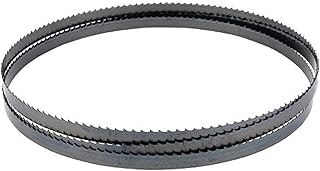


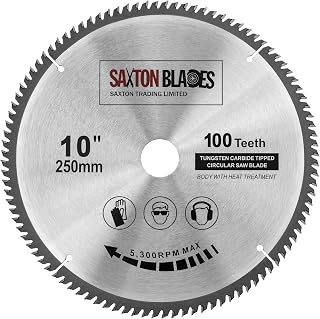


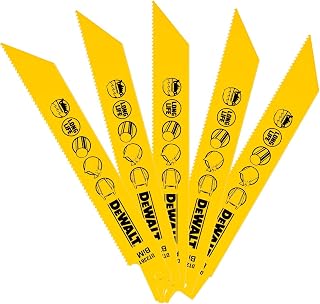


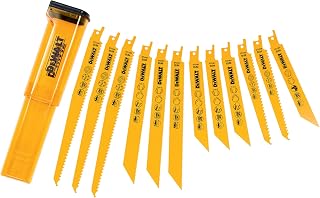


A quality saw blade can make a noticeable difference to cutting speed, finish and overall control. DEWALT saw blades are designed for demanding applications across construction, woodworking, installation, renovation and general maintenance. Whether you need a blade for a cordless circular saw, mitre saw, reciprocating saw or another compatible machine, choosing the correct specification is essential for safe and effective cutting.
The DEWALT saw blade category includes options for different machines and materials, so it is important to check the blade diameter, bore size, tooth count, cutting material and recommended application before ordering. The product range featured on this page includes circular saw blades in common UK sizes such as 165mm, 184mm, 190mm, 210mm, 216mm, 250mm and 305mm, alongside reciprocating, jigsaw and bandsaw-style options.
DEWALT circular saw blades are a practical choice for fast, controlled cuts in timber, plywood and other sheet materials. Different tooth counts allow you to prioritise cutting speed or a cleaner finish. Lower tooth counts are generally suited to faster construction and framing work, while higher tooth counts can be preferable when a smoother finish is important.
When selecting a circular saw blade, check both the outside diameter and bore size. A blade must be suitable for the saw and must not exceed the manufacturer's permitted specification. Cordless saw users may also benefit from blades designed around efficient cutting and runtime, particularly when completing repeated cuts on site.
For demolition, renovation and difficult access work, DEWALT reciprocating saw blades provide a versatile cutting solution. Blade types are available for materials such as timber and metal, with different lengths and tooth configurations suited to specific tasks. They can be useful for cutting pipe, sheet metal, timber, framing materials and other renovation components where speed and flexibility matter.
DEWALT jigsaw blades are better suited to controlled cuts, curves and detailed work. Selecting the correct blade for wood, metal or another material helps improve the quality of the finished cut. For intricate work, tooth configuration and blade length are particularly important considerations.
Mitre and table saw applications often demand accuracy and repeatability. A suitable DEWALT blade can help produce consistent crosscuts, mitre cuts and rip cuts when matched correctly to the machine and material. Higher tooth-count blades can be useful for applications where a refined finish is a priority, while construction-oriented blades can favour efficient material removal.
Always compare the blade diameter, bore, kerf and maximum compatible speed with your saw's specifications. Using the correct blade is especially important when working with powered stationary equipment.
Cutting metal requires a blade designed specifically for the material rather than a general-purpose timber blade. DEWALT metal-cutting and bi-metal options are available for applications involving steel, sheet metal and other challenging materials. The right blade can help control heat, reduce unnecessary wear and produce a more consistent cut.
For multi-material projects, consider exactly what you will be cutting before selecting a blade. A blade designed for wood should not automatically be assumed to be suitable for metal, aluminium or other materials. Check the product specification and intended application carefully.
DEWALT is widely recognised for power tools and accessories designed for demanding working environments. Its saw blade range covers many common cutting requirements, from construction and framing to detailed woodworking and metal cutting. Choosing a blade that matches the task can help reduce unnecessary effort while improving consistency and cut quality.
For UK tradespeople and DIY users, the key is not simply choosing a DEWALT blade, but choosing the correct DEWALT blade for the machine, material and desired finish. Compare the available specifications carefully, particularly diameter, bore, tooth count and intended application. This approach makes it easier to select a blade that fits your equipment and project.
Browse the available DEWALT saw blade options and compare specifications before making your choice. Whether you need a circular blade for timber, a reciprocating blade for renovation, a jigsaw blade for detailed cuts or a specialist blade for metal, selecting the correct type can make your cutting work more efficient and predictable. Always follow the saw manufacturer's instructions and the blade manufacturer's recommendations when fitting and using cutting accessories.
Find the right DEWALT saw blade for professional work, renovation, construction and DIY projects. The range includes circular, reciprocating, jigsaw, mitre, table and specialist cutting blades in a variety of sizes, tooth configurations and materials. Compare suitable options for wood, metal and other demanding applications before choosing the blade that matches your saw and cutting requirements.