

♥ Wishlist


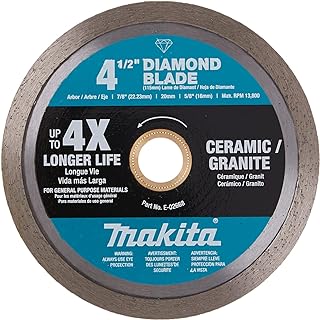


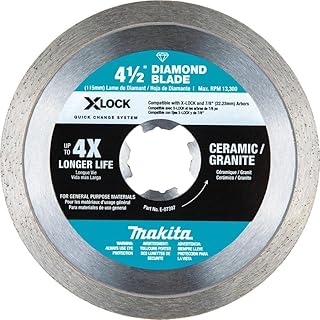


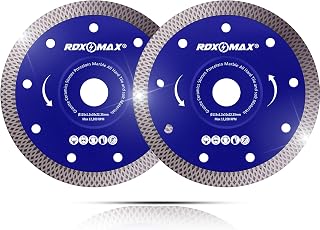


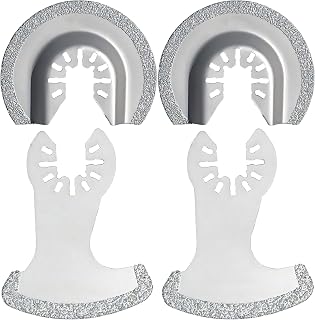


Makita diamond blades are designed for cutting applications where ordinary abrasive discs or general-purpose saw blades may not provide the durability, accuracy or cutting performance required. Diamond cutting blades are particularly useful when working with hard materials such as concrete, masonry, stone, tiles and ceramics. For UK tradespeople, installers, builders and experienced DIY users, choosing the correct blade can make a noticeable difference to cutting speed, finish and overall productivity.
The Makita diamond blade range includes options in different diameters and cutting configurations, allowing users to match a blade to their tool and material. Depending on the application, you may find continuous rim, turbo rim and segmented designs, as well as specialist diamond cutting accessories for particular Makita machines. Always check the specifications of the blade and your tool before purchasing to ensure the diameter, bore, mounting system and operating requirements are compatible.
The material you intend to cut should be one of the first considerations when choosing a diamond blade. Concrete, brick, blockwork, porcelain, ceramic tiles, granite and other dense materials can require different blade characteristics. A blade intended for masonry may not be the best choice for delicate tile work, while a blade designed for clean tile cutting may not be appropriate for heavy-duty concrete applications. Check the manufacturer's intended application before ordering.
Blade diameter must match the specifications of your Makita saw, grinder or cutting machine. Common sizes can include compact options such as 115mm and 125mm, while larger diamond blades are available for machines designed for deeper cuts. The diameter affects the maximum cutting depth and must never exceed the size recommended for the power tool. Checking your existing blade, machine manual and product specifications is a simple way to avoid compatibility problems.
Continuous rim, turbo and segmented diamond blades are suited to different cutting requirements. Continuous rim designs are commonly associated with controlled, clean cutting, making them useful where finish quality is important. Turbo rim blades combine cutting efficiency with a design intended to help clear cutting debris. Segmented blades feature separated cutting segments and are often selected for demanding masonry and concrete work where durability and material removal are priorities.
A compatible Makita angle grinder diamond blade can be useful for cutting and shaping masonry, concrete, stone and other hard materials. Compact diamond cutting discs can be particularly practical for repair, installation and general building work where manoeuvrability matters. For straight cuts, a suitable Makita circular saw diamond blade or dedicated cutting blade may provide better control and consistency.
Tool compatibility should always take priority over appearance or price. Before buying, check the tool model, blade diameter, bore size, mounting arrangement, maximum permitted speed and the material the blade is designed to cut. Some specialist products use particular mounting systems, so do not assume that every diamond blade will fit every Makita machine.
Diamond blades are valued for their ability to tackle hard and abrasive materials. Depending on the individual product, applications can include cutting concrete, bricks, blocks, paving materials, tiles, ceramics, natural stone and other masonry products. They can be useful for construction, renovation, tiling, landscaping and installation work. Some blades are also designed for specialist materials, so reviewing the stated application is essential before use.
The right diamond blade can help produce more consistent cuts while reducing unnecessary tool strain and blade replacement. Selecting a blade based on material, machine and required finish is generally more effective than choosing solely by diameter or price. For frequent professional use, durability and cutting performance can be especially important, whereas occasional DIY projects may place greater emphasis on versatility and value.
When comparing Makita diamond blades, consider the job first. Identify the material, required cutting depth, desired finish and type of machine being used. Then compare compatible diameters, rim styles and product specifications. This approach makes it easier to choose a blade that suits the application rather than relying on a generic one-size-fits-all solution.
ToolBit's Makita Diamond Blades category brings together a range of diamond cutting products and compatible accessories available through online marketplace listings. Options can include compact cutting discs, larger segmented blades, turbo designs, continuous rim blades and specialist diamond accessories. Product availability, pack quantities and pricing can vary, so check the individual listing for the latest specifications and purchasing information.
Whether you are cutting tiles during a renovation, trimming masonry on a building project or tackling concrete with a suitable Makita machine, choosing the correct diamond blade is an important part of achieving reliable results. Compare the available options, verify compatibility with your equipment and select the blade designed for the material and cutting task at hand.
Find Makita diamond blades for demanding cutting applications, including concrete, masonry, tiles, stone and other hard materials. Compare blade sizes, rim designs and compatible Makita tools to select the right cutting solution for your project.