

♥ Wishlist

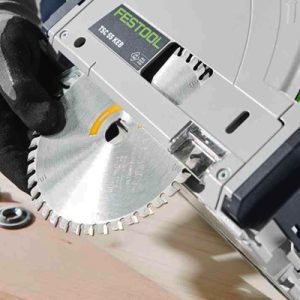




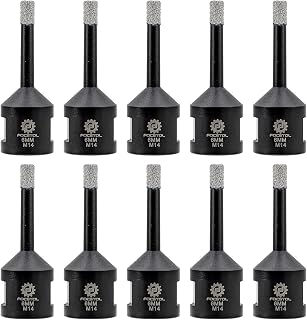


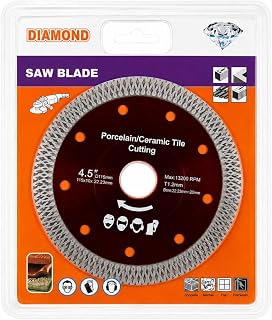


Diamond blades are designed for cutting hard, abrasive and dense materials where a standard cutting disc may not provide the required performance. Using diamond particles within the cutting segment or rim, these blades are built to tackle materials such as concrete, brick, block, masonry, natural stone and ceramic or porcelain tiles. Choosing the correct diamond blade can help produce a cleaner cut while supporting efficient progress through demanding materials.
For UK tradespeople, installers, builders and serious DIY users, the right blade should be selected according to both the material being cut and the machine being used. A blade intended for tile cutting is not necessarily the best choice for reinforced concrete, while a blade designed for aggressive masonry work may not provide the finish expected when cutting decorative materials. Matching the blade to the application is therefore an important part of achieving dependable results.
Diamond blades for concrete and masonry are suited to applications involving hard building materials. Depending on the blade design, they can be used for cutting concrete, reinforced concrete, bricks, blocks, paving materials and other masonry products. Consider the material hardness, depth of cut and type of machine before choosing a blade for site work.
Tile-cutting diamond blades are designed with the finish of the cut in mind. They can be suitable for ceramic, porcelain and other tiled surfaces, where controlling chipping and producing a neat edge are important. For visible finishes, select a blade specifically intended for the tile material rather than relying on a general-purpose option.
Natural stone and similarly hard materials can require a blade designed for controlled cutting and sustained abrasion resistance. Whether the job involves stone slabs, paving or other hard surfaces, check the manufacturer's application guidance to ensure the blade is suitable for the material and cutting equipment.
Before ordering a diamond blade, check the diameter, bore size and machine compatibility. The blade must be suitable for the specific saw, grinder or cutting machine being used. Also consider the required cutting depth, maximum operating speed and whether the blade is intended for wet or dry cutting. These details are essential when comparing different blades and can prevent choosing a product that is unsuitable for your equipment.
Diamond blades are available in different rim and segment configurations because cutting applications vary considerably. Segmented blades can be useful where fast cutting and debris removal are priorities, particularly in construction materials. Continuous-rim designs are commonly associated with applications where a smoother, more controlled cut is important, including many tile-cutting tasks. Other specialised configurations are available for particular materials and professional applications.
When comparing blades, look beyond diameter alone. Segment construction, blade type, intended material, cutting method and machine requirements can all affect performance. A blade that matches the complete application is generally a better choice than simply selecting the cheapest compatible-looking option.
Diamond blades can be useful across a wide range of UK projects, from building and renovation work to landscaping, tiling and general maintenance. Professionals may need blades capable of handling frequent cutting on demanding sites, while occasional users may prioritise versatility and value. In either case, selecting the blade around the actual material and machine helps make the purchase more practical.
Start by identifying exactly what you need to cut. Next, check the machine manufacturer's specifications and confirm the blade diameter, bore and permitted operating speed. Decide whether wet or dry cutting is appropriate for the job, then consider whether speed, durability or cutting finish is the primary priority. Finally, review the product's stated material compatibility before purchasing.
Always follow the blade and machine manufacturer's instructions. Use appropriate personal protective equipment and ensure the work area is suitable for the cutting method. Where wet cutting is required or recommended, follow the relevant equipment instructions and site safety procedures. Correct selection and proper use are important for both cutting performance and safe operation.
Whether you are cutting concrete, masonry, tiles, stone or another suitable hard material, choosing the correct diamond blade can make a significant difference to the job. Compare blades by application, size, cutting method and machine compatibility to narrow down the options. With the right specification for your material and equipment, you can select a blade designed to deliver dependable cutting performance for your particular task.
Choose diamond blades for demanding cutting applications where clean results, durability and reliable performance matter. Explore options suited to materials including concrete, masonry, tiles and stone, and select a blade according to your tool and cutting requirements.