

♥ Wishlist
Compare 60 verified Dust Bags products in United Kingdom. Reviews, ratings, pros, cons and buying advice updated for October 2026.


Choosing a dust bag is less straightforward than simply buying the largest or cheapest pack. The correct bag needs to match the machine, the type of material being collected, the way the extractor is used and, in some cases, the filtration requirements of the work. A bag that fits physically may still be a poor choice if its connector, capacity, material or intended application is unsuitable.
For occasional DIY, a straightforward disposable collection bag may be all that is required. For regular woodworking, renovation, sanding or trade use, however, the bag becomes part of the dust-extraction system rather than just a disposable accessory. Its construction can affect airflow, filter loading, disposal, working time and the amount of dust released when the full bag is removed.
This is why the best dust bags are not necessarily the most expensive ones. The better choice is the bag that provides the right combination of compatibility, filtration, capacity, durability, sealing and value for the particular extractor or power tool.
Dust bags sold in the UK cover several different applications. Before comparing brands such as Bosch, Festool, Makita, Kärcher, Nilfisk, Numatic, Mirka and Einhell, identify which type of bag your equipment actually requires.
Dust extractor bags are designed for workshop and professional extraction systems. They are commonly used with machines connected to sanders, saws, routers, planers and other dust-producing power tools.
Depending on the extractor, bags may be made from paper, fleece, synthetic material or another engineered filtration medium. The correct choice depends on the manufacturer's specification and the intended application.
Domestic vacuum bags are designed primarily for household cleaning. They are not automatically interchangeable with bags intended for workshop dust extractors, even when the dimensions appear similar.
A domestic vacuum bag should therefore not be treated as a universal substitute for a specialist extraction bag. Check the vacuum model, bag reference and fitting system before purchasing replacements.
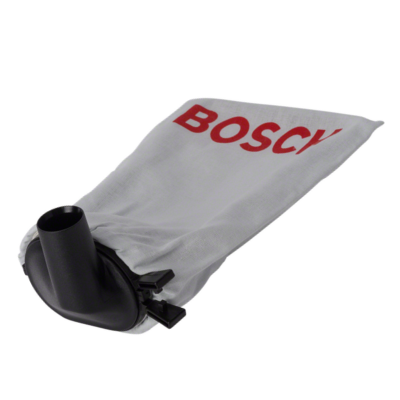
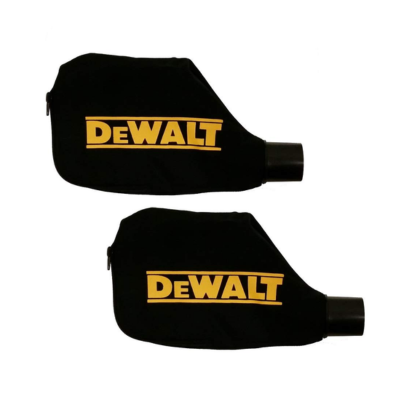
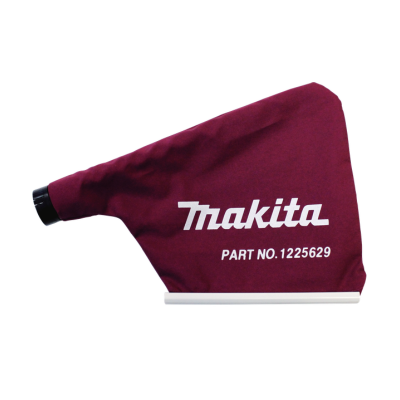
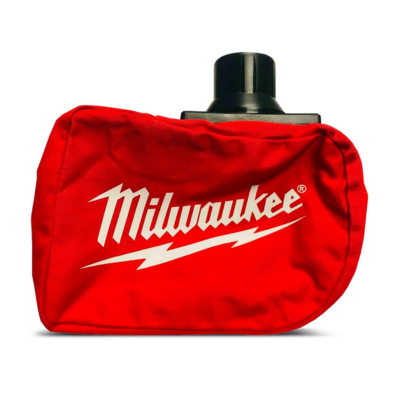
Some portable power tools have their own small collection bags. These are particularly common with sanders, planers and certain saws.
The main advantage is convenience: the bag can collect dust directly at the tool without requiring a separate extractor. The limitation is capacity. Small tool-mounted bags fill quickly during intensive work and may not provide the same extraction capability as a properly matched dust extractor.
Disposable bags are designed to be removed and discarded once full or sufficiently loaded with dust. They are convenient because the collected material does not usually need to be emptied into another container.
For fine dust, a closable or sealable disposal system can also make bag removal cleaner. This is particularly useful when the material collected is dusty enough that emptying a conventional container would simply put the captured particles back into the working environment.
Reusable bags can make sense where large quantities of relatively coarse material are collected and the manufacturer's system specifically permits repeated emptying.
The attraction is lower ongoing consumable use, but reusable bags require more handling. Emptying and cleaning them can release dust, and the bag must remain in good condition to continue working correctly. They are therefore not automatically the better option simply because they can be used more than once.
One of the most common buying mistakes is choosing a bag because it looks as though it will fit. Dust bags are often model-specific, and two machines from the same manufacturer can use different bag designs.
Before buying, check the exact model number of the vacuum, extractor or power tool. Where available, compare the manufacturer's bag reference rather than relying solely on descriptions such as "universal", "large", "professional" or "fits most models".
Important compatibility points include:
A physically compatible bag is not necessarily functionally compatible. Always prioritise the equipment manufacturer's stated compatibility information.
Paper and fleece bags are two of the most common choices, and each has advantages depending on the application.
Paper bags are often attractive because they are straightforward and can be economical for occasional use. They can work particularly well when collecting conventional dry debris and dust within the operating limits specified for the extractor.
Their suitability depends on the grade and construction of the bag, however. Very fine dust can place greater demands on the filtration material, while rough or sharp debris may be harder on a lightweight bag.
Fleece bags are commonly chosen for demanding extraction applications because the material can provide a different combination of strength, flexibility and filtration performance from conventional paper.
For frequent workshop use, the extra cost can be justified when the bag is easier to fit, less prone to damage or better suited to the extractor's filtration system. The precise performance still varies by manufacturer and model, so a generic fleece bag should not automatically be assumed to outperform every genuine paper bag.
There is no universal winner. For occasional light-duty collection, a correctly specified paper bag may be perfectly adequate. For frequent professional work, a quality fleece bag may offer practical advantages.
The sensible approach is to compare the complete consumable cost and application rather than judging bags solely by material. A cheaper bag that needs changing frequently may cost more over time than a stronger bag with better usable capacity.
Filtration is one of the most important considerations when choosing a dust-extraction system. The bag should never be considered in isolation from the extractor's filters and its stated dust class.
For general workshop and DIY tasks, the required level of dust control depends on the material and the equipment being used. Work involving particularly fine or hazardous dust requires much greater care and may require an extractor with an appropriate certified dust class rather than simply a better disposable bag.
Common extractor classifications include L, M and H classes. These classifications relate to the extractor's filtration and dust-handling requirements and should not be confused with marketing descriptions such as "high filtration" or "professional quality".
If your work involves hazardous dust, particularly dust associated with construction materials, do not assume that changing to a premium collection bag makes an unsuitable extractor safe. Select the complete extraction system according to the material being handled, the equipment manufacturer's instructions and relevant workplace requirements.
Woodworking creates a wide range of dust, from relatively coarse chips to very fine particles generated by sanding and routing. The extraction requirements can therefore vary considerably between tasks.
A planer may produce large quantities of chips and shavings, whereas an orbital sander can generate a much finer dust load. A table saw may produce a mixture of larger particles and fine airborne dust.
When selecting bags for woodworking, consider:
For intensive sanding, filtration and extractor suitability are particularly important. A large bag does not compensate for an extraction system that is inappropriate for fine dust.
Renovation work can create very fine mineral dust, and this is an area where choosing a bag based solely on capacity or price can be a serious mistake.
Plaster, concrete, mortar and other mineral materials can place a substantial load on filters and collection systems. Fine particles may also pass through unsuitable equipment or rapidly reduce airflow if the filtration system becomes loaded.
For these applications, choose an extractor and consumables specifically intended for the material involved. Where a manufacturer specifies a particular disposal bag, filter arrangement or automatic cleaning system, follow those instructions rather than substituting a generic bag.
Do not use an ordinary domestic vacuum cleaner as a substitute for a properly selected dust extractor when the job creates significant quantities of fine construction dust.
Sanding produces some of the finest dust generated by many common workshop tools. This makes filtration, airflow and bag compatibility especially important.
A small bag attached directly to a sander can be convenient for short jobs, but it may become inefficient once the bag is heavily loaded. A dedicated extractor can provide greater capacity and more consistent collection when used with a suitable hose and correctly matched tool connection.
For regular sanding, consider the complete setup rather than the bag alone. The hose diameter, tool connection, extractor performance, filtration system and bag all influence how effectively dust is captured.
A larger bag does not automatically mean better extraction. Capacity is primarily about how much material can be collected before the bag needs replacing.
For occasional domestic use, a smaller bag can be convenient because the machine may remain compact. For a workshop or building site, greater capacity can reduce interruptions and consumable changes.
However, a bag should not simply be used until it is completely packed. As dust accumulates, airflow can be affected depending on the bag and extractor design. Follow the equipment manufacturer's instructions regarding filling levels and replacement.
Think about capacity in terms of the job rather than the headline litre figure. A bag that lasts through an entire task can be more useful than one with a theoretical larger capacity that becomes difficult to handle when full.
Dust extraction performance is often discussed in terms of suction power, but a single suction figure does not tell the whole story.
Airflow is essential for transporting dust from the cutting or sanding area into the collection system. Static pressure is important when the system encounters resistance from hoses, filters, connectors and the bag itself.
As a bag fills, resistance can change. Fine dust can also accumulate within filtration media and affect airflow. This is one reason why a properly matched bag and a well-maintained extractor can perform more consistently than an improvised setup.
When comparing dust bags, therefore, look for compatibility with the extractor rather than trying to identify the bag with the "strongest suction". The bag itself is not a vacuum motor and should not be judged as though it were one.
Some professional dust extractors use automatic or semi-automatic filter-cleaning systems. These systems are designed to help maintain filtration performance when fine dust begins loading the filter.
Not every bag is suitable for every filter-cleaning arrangement. Some extractors use particular bag systems for normal collection, while specialist disposal sacks may be intended for specific operating modes.
This is particularly important with equipment from manufacturers such as Festool, Bosch, Kärcher and other professional extraction brands. Always check the specific machine instructions rather than assuming that every bag sold under the same brand can be used in every extractor.
A good disposal system can be almost as important as the collection process. When a bag is full, the dust inside it has already been captured; careless removal can release some of that material again.
Sealable bags can make disposal more controlled by allowing the opening to be closed before the bag is removed. This can be particularly useful when dealing with fine dust.
Look for features such as:
The best disposal method remains the one specified by the manufacturer for the particular extractor and material being collected.
One of the biggest decisions when buying replacement dust bags is whether to choose genuine manufacturer-branded consumables or compatible alternatives.
Genuine bags are generally the easiest option from a compatibility perspective because they are specified for particular equipment. Brands such as Festool, Bosch, Makita, Kärcher, Nilfisk, Numatic and Mirka offer model-specific consumables across parts of their extraction ranges.
Compatible bags can be attractive when they cost less or are sold in larger multipacks. However, the word "compatible" does not by itself establish equal filtration, construction quality or capacity.
When considering a third-party bag, compare:
For demanding or hazardous applications, the safest purchasing decision is generally to follow the extractor manufacturer's specification rather than choosing a substitute solely because it is cheaper.
The UK market includes a broad mixture of specialist extraction brands, power-tool manufacturers and domestic vacuum manufacturers. Brand reputation can be useful, but the exact product and compatibility remain more important than the logo on the packaging.
Festool has an extensive range of extraction equipment and matching consumables. Its dust bags are often designed around specific CT-series extractors and particular operating applications. Buyers should pay close attention to the exact extractor model and bag reference, particularly where specialist disposal systems or automatic cleaning are involved.
Bosch offers dust-extraction consumables for several professional and workshop machines. When comparing Bosch bags, check the exact GAS extractor or tool model rather than relying on a general Bosch compatibility statement.
Makita supplies dust bags and extraction accessories for a wide selection of power tools and extractors. The range includes both compact tool-mounted collection options and consumables intended for larger extraction equipment.
Kärcher produces both domestic and professional vacuum and extraction equipment, so product descriptions need to be read carefully. A bag designed for one Kärcher vacuum family should not automatically be assumed to fit another.
Nilfisk is another established name in professional and commercial cleaning equipment. Its extraction consumables span different machines and applications, making model-specific compatibility particularly important.
Numatic is widely associated with commercial and domestic vacuum cleaners in the UK. Its replacement dust bags are available for different machine families, but Henry, Hetty, James and professional machines should not be treated as interchangeable without checking the specification.
Mirka's sanding and dust-extraction ecosystem makes its bags particularly relevant to users focused on surface preparation and finishing. When buying Mirka consumables, match the bag to the specific extractor and application.
Einhell offers dust collection bags for various wet-and-dry and workshop vacuum systems. They can be worth comparing for DIY and workshop users, provided the bag is confirmed for the exact machine.
Similar-looking bags can have different connectors, dimensions and intended uses. Product photography should never replace model-number verification.
"Universal" can describe a bag intended for a range of machines, but it does not mean it will fit every vacuum or extractor. Check the stated compatibility list.
A low purchase price is only useful if the bags perform adequately and fit correctly. A poorly fitting bag can waste consumables and potentially affect extraction performance.
Wood dust, general debris and fine mineral dust are not identical applications. Selecting a bag without considering the material can lead to an unsuitable extraction setup.
A larger collection volume does not automatically mean better filtration. Capacity, filtration and airflow are separate considerations.
Depending on the extractor and bag design, extraction performance can decline as the collection system becomes heavily loaded. Follow the manufacturer's replacement guidance instead of treating the maximum physical capacity as the ideal working level.
Wet-and-dry extractors may support different operating configurations. A disposable paper or fleece dust bag may be intended for dry material only. Never assume that a dry collection bag is suitable for liquids.
If you are unsure which replacement bag to purchase, use this process before ordering:
The cheapest bag per pack is not necessarily the cheapest bag to use. A more useful calculation is the approximate cost per working session or per quantity of material collected.
For example, a low-cost bag that becomes restrictive quickly may require more frequent replacement than a stronger bag designed for higher dust loads. Conversely, buying premium bags for very occasional light-duty cleaning may provide little practical benefit.
Consider the following when comparing value:
Buying a larger multipack can be sensible for frequent users, but only if the bags are definitely compatible and likely to be used before storage conditions become an issue.
Even the best dust bag cannot compensate for poor extractor maintenance. Regular inspection helps maintain performance and can highlight problems before they become expensive.
Where fine or hazardous dust is involved, maintenance should be treated as part of the extraction system rather than a cosmetic housekeeping task.
There is no single replacement interval that applies to every machine. The correct timing depends on bag capacity, dust type, workload and the manufacturer's instructions.
Replace the bag when it reaches the manufacturer's recommended filling level, when extraction performance is affected, or when the bag is damaged. Some applications will fill a bag rapidly, while light domestic work may use the same consumable over a much longer period.
Do not deliberately continue using a bag simply to obtain the maximum possible number of hours from it. A collection bag is a consumable component, and replacing it at the appropriate point can help keep the extraction system working as intended.
Dust extraction is partly a cleanliness issue and partly a workplace safety issue. The appropriate system depends on the material being collected and the conditions in which the work is performed.
Particular care is required when working with fine construction dust, hardwood dust, composite materials or other substances for which exposure controls may be required.
A dust bag should never be regarded as personal protective equipment or as a substitute for appropriate controls. Depending on the task, effective dust capture at source, suitable respiratory protection, ventilation and safe working procedures may all be relevant.
For professional work, follow applicable UK workplace guidance and the instructions supplied with the extractor, power tool and consumables.
Premium dust bags can be worthwhile when they offer a genuine advantage for the application, such as better construction, more convenient disposal, suitable filtration characteristics or improved compatibility with a professional extraction system.
For occasional DIY use, however, the most expensive bag is not automatically the best choice. If a manufacturer-approved standard bag meets the requirements of the machine and task, spending more may provide little additional benefit.
The key question is not "Which bag is most expensive?" but "Which bag is correctly specified for my machine and the material I am collecting?"
Prioritise straightforward compatibility, sensible pack size and reasonable cost. There is little benefit in buying specialist high-capacity consumables if the extractor is used only occasionally.
Look for durable bags that can cope with repeated woodworking and sanding. A stronger fleece or synthetic option may be worth considering if the extractor is used regularly.
Professional users should prioritise dependable compatibility, capacity, filtration and efficient disposal. Frequent bag changes can interrupt work, so usable capacity and consistent extraction become more important.
Fine mineral and construction dust requires more careful consideration. Choose the appropriate extractor class and consumables for the material rather than relying on an ordinary vacuum bag.
For occasional drilling, sanding or cutting, a compact tool-mounted dust bag can be convenient. For sustained work, a dedicated extractor with an appropriate hose and collection system will generally be the more suitable category to investigate.
When comparing two apparently similar products, use the following checklist rather than relying on the product title alone.
Product listings can contain a surprising amount of information, but not every specification has equal importance.
Start with compatibility. Then examine the bag material, capacity and intended application. After that, look at pack quantity and any manufacturer-specific features such as closure systems or compatibility with automatic cleaning.
Be cautious with vague claims such as "maximum filtration", "industrial quality" or "universal fit" unless the listing provides meaningful supporting specifications. A precise model reference is usually more useful than a long list of marketing terms.
Customer reviews can be useful for identifying practical issues that are not obvious from a specification sheet, such as difficult fitting, weak connectors, inaccurate compatibility information or poor packaging.
However, reviews should be assessed in context. A review of a bag used with a different extractor may not tell you much about its suitability for your machine.
When reading reviews, look for comments that mention:
Verified customer feedback is most valuable when it relates directly to the same equipment and use case you have.
The best dust bag depends on the extractor or power tool and the material being collected. A correctly specified genuine bag can be the safest choice for compatibility, while a reputable compatible alternative may offer better value for suitable non-critical applications.
No. Dust bags vary in dimensions, connectors, materials and intended applications. Always check compatibility with the exact machine model.
Not in every situation. Fleece can offer advantages in strength and certain demanding applications, while paper can be perfectly suitable for some dry extraction tasks. The manufacturer's specification and intended use should determine the choice.
Only when the alternative is explicitly compatible with your machine and its specifications. Physical similarity is not enough to establish compatibility.
Some wet-and-dry vacuums support dust bags for dry collection, but the bag is generally not intended to collect liquids. Check the manufacturer's instructions before using a bag in a wet-and-dry machine.
Genuine bags are usually the simplest option when exact compatibility and application suitability are the priority. Compatible bags can be considered when their specifications are clear and they are confirmed for the exact machine.
A suitable bag can help an extractor operate as designed, but a dust bag does not increase the motor's inherent suction power. A full, damaged or unsuitable bag can instead contribute to reduced extraction performance.
Follow the extractor manufacturer's guidance. Depending on the design, a noticeable reduction in airflow, increased resistance or the recommended filling level can indicate that replacement is due.
Only if the manufacturer specifically states that it is designed for reuse. Disposable bags are generally intended to be removed and replaced rather than repeatedly emptied.
Choose a bag and extractor combination specifically suited to fine dust and the material being sanded. For regular sanding, pay close attention to filtration, extractor class, airflow, bag compatibility and safe disposal.
The best option depends on the machine. Planers and saws can generate substantial quantities of chips and dust, while sanders produce much finer particles. Choose a bag that is approved for the extractor and suitable for the particular woodworking application.
No. A collection bag is one component of the extraction system. It should not be treated as a substitute for the extractor's required filter or filtration system.
They can be for frequent users if their construction, capacity, filtration characteristics or disposal system provide meaningful advantages. For occasional use, a correctly specified standard bag may offer better overall value.
Brands with dust collection or vacuum systems include Festool, Bosch, Makita, Kärcher, Nilfisk, Numatic, Mirka and Einhell, among others. The most suitable brand is usually determined by the machine already in your workshop rather than by brand reputation alone.
The most reliable way to choose a dust bag is to work backwards from the equipment and the material. Identify the exact extractor or power tool first, determine what type of dust it will collect, then select the appropriate bag material, capacity and disposal system.
For occasional DIY, simplicity and compatibility are usually the priorities. For woodworking and workshop use, capacity, durability and filtration become increasingly important. For professional renovation and construction work, the entire dust-extraction system must be considered, including the appropriate dust class and safe handling procedures.
Before buying, compare the exact model reference, bag material, pack quantity, intended application and manufacturer guidance. Then check verified customer reviews for the specific product and compare the current cost with other suitable options from trusted retailers.
Above all, do not choose a dust bag purely because it is cheap, large or described as universal. The right bag is the one that fits the equipment correctly, is designed for the dust you are collecting and works as part of a suitable extraction system.