

♥ Wishlist
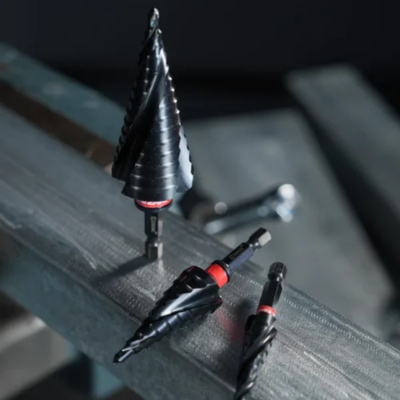
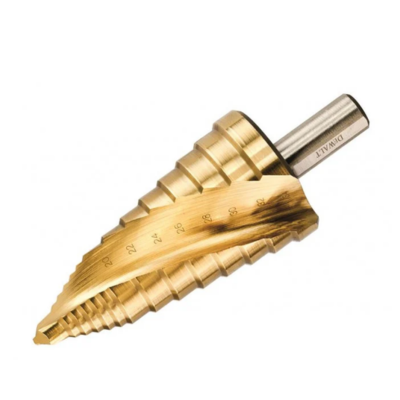
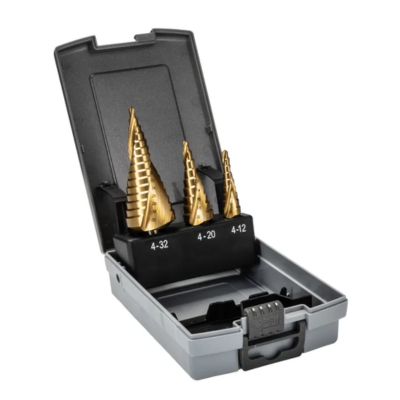
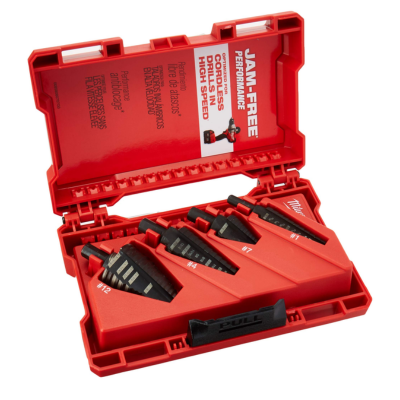


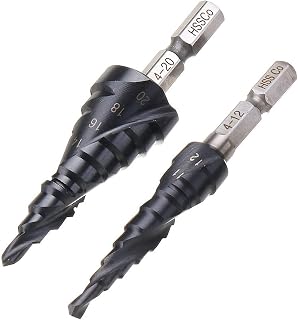


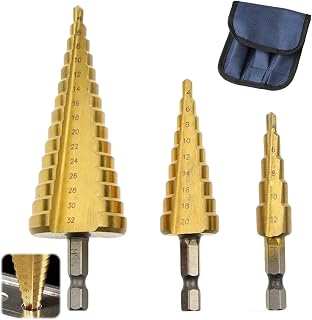


Step drill bits are designed with a series of progressively larger cutting diameters along the same bit. Instead of changing to a different drill bit for every hole size, you can use the appropriate step on one tool. This makes step bits particularly useful when working with sheet materials, electrical panels, automotive components, plumbing installations and general workshop projects where several hole diameters may be required.
A step drill bit, sometimes called a step bit or cone drill bit, has a tapered profile divided into clearly defined cutting steps. Each step corresponds to a particular hole diameter. As the bit moves further through the material, the hole gradually becomes larger until the required size is reached.
This design is especially useful for thin materials because it can create clean, progressively sized holes without requiring a large collection of individual drill bits. Many step drill bits feature hex shanks for secure fitting in compatible drill chucks and quick-change systems.
Step drill bits are widely used for drilling thin metal, including steel and aluminium. They can also be suitable for plastic, PVC, wood and other materials when the specific bit manufacturer's instructions allow it. For metalworking, choosing an appropriate material, coating and drilling speed is important because excessive heat can reduce cutting performance and shorten tool life.
HSS step drill bits are a popular choice for general-purpose work. Cobalt HSS options can offer improved heat resistance and are useful for demanding applications, including some stainless-steel drilling tasks. Titanium-coated and black-oxide finishes are also commonly available and can help with wear resistance and durability.
Start by identifying the smallest and largest hole sizes required for your project. Common step drill bit ranges include compact sizes for smaller holes and larger ranges capable of producing holes around 30 mm or more. A multi-bit set can be useful when your projects require different diameter ranges.
HSS is a versatile material for many general drilling jobs. Cobalt HSS step bits are designed for greater heat resistance and can be a better choice for tougher metalworking applications. Always match the bit to the material and follow the manufacturer's recommendations.
Some step drill bits have titanium, TiAlN or black-oxide coatings. Coatings can improve wear resistance and help the bit withstand demanding drilling conditions. However, coating alone should not determine your choice; construction, diameter range, shank design and intended material are equally important.
Make sure the shank is compatible with your drill or driver. Hex-shank step bits are common and can be convenient for compatible power tools and quick-change holders. A secure connection helps maintain control while drilling.
Mark the centre of the hole before drilling and secure the workpiece firmly. Begin at a suitable, controlled speed and allow the cutting edge to work without excessive pressure. When drilling metal, suitable cutting lubricant can help manage friction and heat. Progress through the steps until the desired diameter is reached, taking care not to continue beyond the required size.
Using steady pressure and an appropriate drilling speed can help improve hole quality and extend bit life. For larger holes or harder materials, consult the manufacturer's guidance for recommended speeds, lubrication and application limits.
Different projects call for different step bit configurations. Single step bits are useful when one diameter range covers your regular work, while sets provide greater flexibility. Spiral-flute designs can assist with chip removal, while standard stepped profiles are a practical choice for general hole enlargement. Specialist cobalt and coated versions are available for more demanding applications.
Whether you are carrying out DIY work, electrical installation, automotive repairs, fabrication or general maintenance, the right step drill bit can make multi-size drilling more convenient. Compare diameter ranges, materials, coatings, shank compatibility and the intended drilling material before choosing a bit or set.
Find versatile step drill bits for creating multiple hole sizes with a single cutting tool. Ideal for sheet metal, aluminium, plastic and many DIY or workshop applications, step bits can make drilling faster and reduce the need to change between conventional drill bits.