

♥ Wishlist
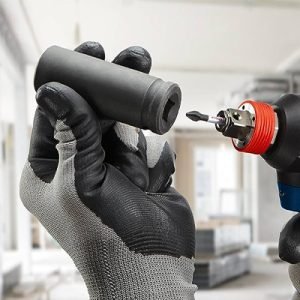
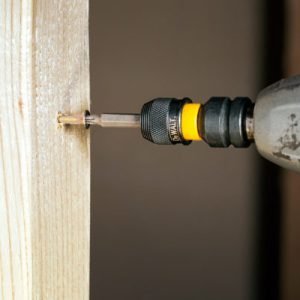
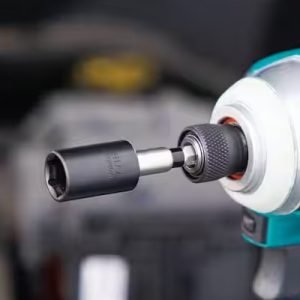
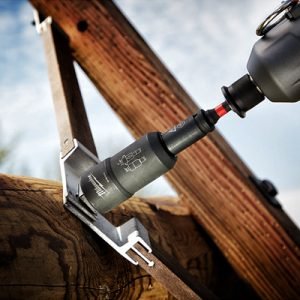


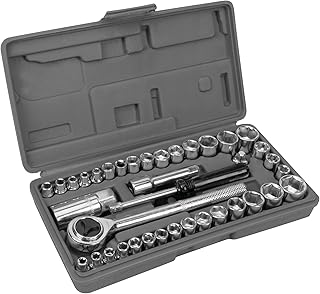


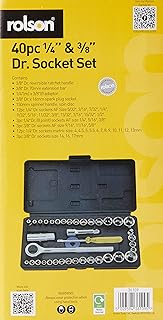


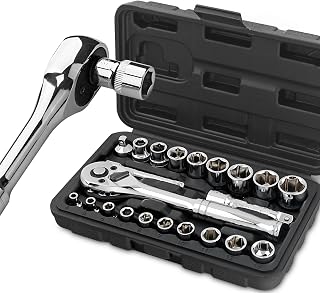


A good socket makes tightening and loosening fasteners quicker, easier and more controlled. Whether you are maintaining a car, assembling furniture, working on machinery or tackling general DIY around the home, choosing the correct socket can make a noticeable difference to both access and grip. The socket category brings together a broad selection of options, including standard, deep, impact, Torx, hex bit and spark plug sockets, as well as complete socket sets for keeping multiple sizes together.
One of the first things to consider is the type of fastener you need to work with. Standard six-point sockets are a practical choice for many conventional hexagonal nuts and bolts because they provide strong contact with the fastener. Twelve-point sockets offer more engagement positions, which can be useful when working in restricted spaces. Choosing the correct size remains essential, as a socket that is too large or too small can increase the chance of damaging the fastener.
Socket depth is another important consideration. Shallow sockets are useful for fasteners where there is plenty of clearance around the nut or bolt head. Deep sockets have a longer profile and can reach nuts positioned further along a threaded stud or recessed fasteners that a shallow socket cannot access. For automotive work and other maintenance tasks where space and fastener position can vary, having both shallow and deep sockets available can make the job considerably more convenient.
For applications involving impact wrenches or other high-torque equipment, use sockets specifically designed for impact work. Impact sockets are manufactured to cope with the shock and vibration produced by impact tools and are commonly made from tough impact-resistant materials. They are generally distinguishable from conventional chrome hand-tool sockets by their darker finish and heavier-duty construction. Using the correct impact-rated socket is important when transferring high levels of torque.
Drive size also affects the suitability of a socket. Common drive sizes include 1/4-inch, 3/8-inch and 1/2-inch. Smaller drives are useful for lighter-duty work and access in tighter areas, while larger drives are suited to applications requiring greater torque. A socket set containing more than one drive size can therefore provide useful flexibility for a workshop, garage or home toolkit.
For UK buyers, metric sockets are particularly useful for many modern vehicles, machinery and general maintenance applications. Imperial or SAE sockets can still be valuable where specific fasteners require them, so a combined metric and imperial set may be worth considering if you regularly work on different equipment. Always match the socket measurement to the fastener rather than relying on a close-looking size.
Specialist sockets can also make particular jobs easier. Torx sockets are designed for star-shaped Torx fasteners and are widely used in automotive, machinery and equipment applications. Hex bit sockets combine a socket drive with a hexagonal bit and are useful for Allen-style fasteners. Spark plug sockets are designed specifically for removing and installing spark plugs and may include an internal insert to help hold the plug securely during the job.
When comparing socket sets, look beyond the total number of pieces. A larger piece count is not automatically better if the set contains sizes or accessories you rarely use. Check the included socket sizes, drive dimensions, socket depth, fastener profiles and accompanying accessories such as ratchets, extensions, adapters and universal joints. A compact set may suit occasional home repairs, while a more comprehensive set can be worthwhile for regular workshop or automotive use.
Material and finish are also worth considering. Chrome vanadium steel is commonly used for hand-tool sockets because it combines strength and durability, while impact applications require suitable impact-rated construction. Protective finishes can also help resist corrosion when tools are stored or used in workshop environments. Keeping sockets clean, dry and organised can help maintain their condition and make the correct size easier to find.
For the best results, select a socket based on the fastener, application, available access and tool being used. A well-chosen socket set can cover everyday repairs while reducing the need to buy individual sizes later. Compare the available options in this category to find sockets suited to DIY, vehicle maintenance, engineering, workshop and general repair tasks.
Find the right socket for fastening, maintenance and repair work, from everyday DIY jobs to demanding automotive and workshop applications. Explore standard, deep, impact, Torx and hex bit sockets alongside practical socket sets in popular drive sizes.