

♥ Wishlist
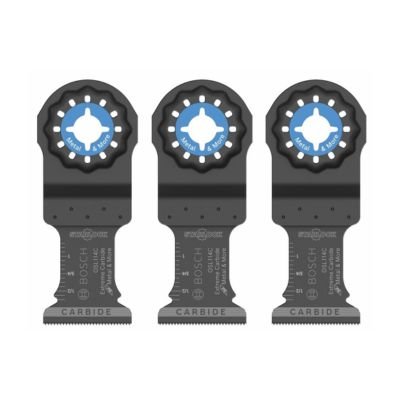
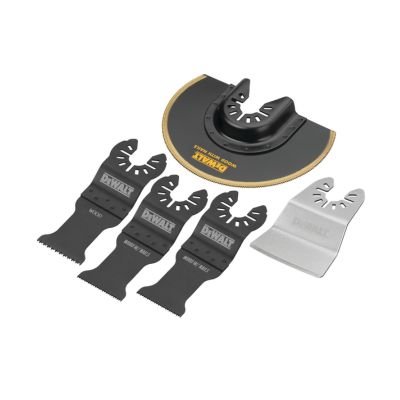
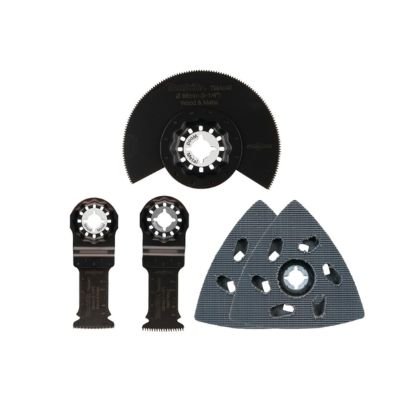
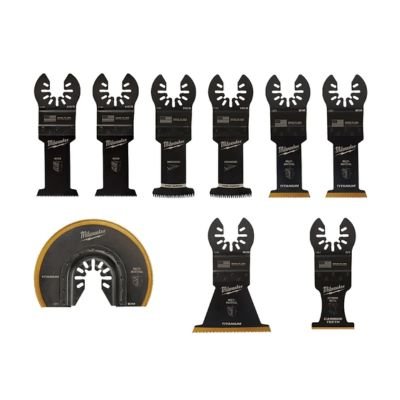






Oscillating blades are versatile accessories designed for multi tools, helping you tackle detailed cutting, trimming and renovation jobs where a conventional saw may be difficult to use. Their compact profile and rapid side-to-side movement make them particularly useful for plunge cuts, flush cuts and work in confined areas. The right blade can make a significant difference to cutting speed, finish, durability and overall control.
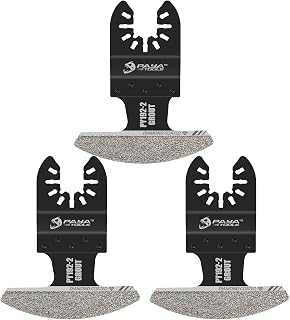
When choosing oscillating blades in the UK, start by identifying the material you need to cut and the type of work you expect to carry out. Wood-cutting blades are useful for timber, softwood and many general woodworking tasks, while bi-metal and carbide options are better suited to demanding jobs involving nails, screws and harder materials. Diamond-coated blades are commonly selected for abrasive applications such as grout removal, tile work and masonry-related tasks.
Wood blades are a practical choice for everyday renovation and carpentry tasks. Japanese-tooth designs can provide fast, clean cutting in timber and other suitable materials, while standard toothed blades are useful for general-purpose work. Consider tooth configuration and blade width when choosing between speed and control.
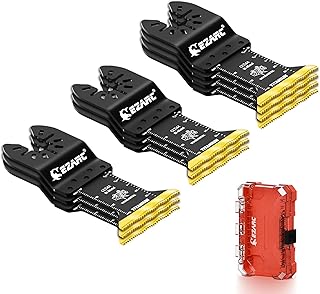
Bi-metal oscillating blades combine different metal characteristics to provide improved durability and flexibility. They are particularly useful when cutting wood containing nails or when working with suitable metal components. For harder metals, carbide or specialised coated blades may be a better choice.
Carbide-tipped and carbide-grit blades are designed for demanding applications where standard steel teeth may wear quickly. They can be suitable for hard materials, nails, screws and abrasive surfaces depending on the specific blade. Diamond-coated options are particularly useful for grout and other abrasive renovation applications.
Flush-cut blades are designed to work close to a surface, making them useful for trimming door jambs, skirting boards, protruding nails and similar components. Segmented blades can be helpful where a wider cutting path and visibility are beneficial. Specialist blades and accessories can also support scraping, sanding and grout-removal tasks when the appropriate attachment is selected.
Blade compatibility should always be checked before purchase. Oscillating multi tools can use different mounting systems, including common universal-style fittings and proprietary systems. Some products are marketed as quick-release or universal-fit blades, while others are intended for specific tool platforms. ToolBit's oscillating blade category includes options associated with popular brands such as Bosch, DeWalt, Makita and Milwaukee, making it easier to compare accessories around your existing tool.
Also check the blade dimensions and attachment specification rather than relying solely on the brand name. A blade that physically resembles the correct accessory may still use a different mounting interface. If you are replacing an existing blade, comparing its fitting, width and intended application is a useful way to narrow the selection.
Think about the material first, followed by the required cut and the expected workload. For occasional cutting of timber, a high-carbon steel or general-purpose blade may be sufficient. For frequent work involving embedded nails or tougher materials, a bi-metal or carbide option can offer greater durability. For grout and highly abrasive applications, a suitable diamond or carbide attachment is generally more appropriate.
Blade width and length also affect control. A narrower blade can provide useful precision in restricted areas, while wider blades may help with longer or broader cuts. Extra-long blades can provide additional reach but should be used with appropriate control and care. Sets containing multiple blade types can be useful for tradespeople, renovators and DIY users who regularly switch between materials.
Oscillating multi tools are popular for renovation, woodworking, plumbing, electrical installation, flooring and general maintenance because one compact machine can accept a wide range of accessories. The correct blade can help with tasks such as cutting timber, trimming plastic, removing grout, cutting around fittings and shortening fixings in awkward positions.
For UK shoppers, it is worth comparing the number of pieces in a pack as well as the individual blade specification. Multi-packs can offer useful value when several blade types are required, while smaller specialist packs may be preferable when you need a particular material or cutting profile. Always compare the stated compatibility and application rather than choosing solely on pack size.
Use eye protection when cutting and follow the instructions supplied with your oscillating multi tool and blade. Allow the blade to work at an appropriate speed and avoid forcing it through material. Disconnect mains-powered tools or remove the battery from compatible cordless tools before changing accessories. Choose a blade specifically suited to the material to reduce unnecessary wear and improve control.
With the right combination of blade material, tooth pattern, size and fitting, an oscillating multi tool can become a highly adaptable accessory platform. Browse the available oscillating blades to compare options for woodworking, metal cutting, grout removal, renovation and other precision tasks.
Find the right oscillating blades for multi tools with options suited to cutting wood, metal, plastic, plasterboard, grout and other common materials. Compare blade types, tooth designs, materials, sizes and compatibility to choose an accessory that matches your tool and project.