

Best Makita Sanding Belts Products online UK (United Kingdom)
Explore our real-time updated product directory index curated for performance, verified star metrics, and historical consumer trust rankings.


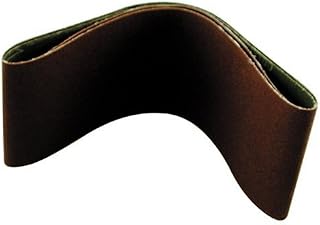


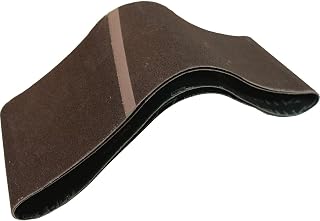


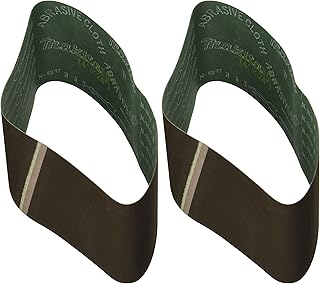


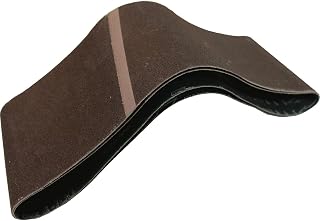

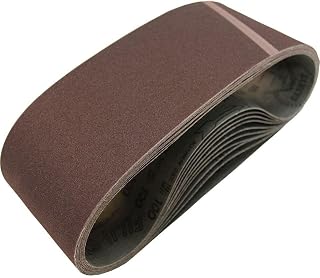

Makita sanding belts are abrasive accessories designed for use with compatible belt sanders, helping users remove material quickly and create smoother, more consistent surfaces. Whether you are preparing timber, removing old finishes, shaping edges or working on metal, choosing the correct belt can make a noticeable difference to sanding performance. The Makita sanding belt range includes options in different dimensions, abrasive grades and pack quantities, making it easier to match the belt to your machine and application.
A belt sander is particularly useful when a large area needs to be sanded efficiently. The continuous abrasive loop moves across the work surface to remove material at a steady rate. Makita sanding belts can therefore be useful for demanding preparation work as well as controlled finishing applications. The products available in this category include belts associated with different Makita sander formats, so checking your machine's required belt dimensions before purchasing is essential.
For woodworking, a suitable coarse or medium abrasive belt can help level surfaces, remove rough material and prepare timber for subsequent sanding. Finer grades are more appropriate when you want to refine the surface before painting, staining, sealing or applying another finish. When working with metal, the correct abrasive belt can assist with surface preparation, smoothing and removing unwanted material, provided the belt is suitable for the material and machine.
One of the most important considerations when buying replacement sanding belts is size. Belt dimensions are commonly specified by width and circumference or length, and the correct measurements must match the sander. Makita-compatible options can include formats such as 3 x 21 inch, 3 x 18 inch, 4 x 24 inch and metric equivalents such as 100 x 610 mm, depending on the particular belt and machine. Always check the manufacturer's specifications and your sander model before ordering.
Compatibility should not be assumed simply because a belt is labelled as suitable for Makita. Different sanders require different belt dimensions, and using an incorrectly sized belt can prevent proper fitting or affect operation. If you are replacing a worn belt, checking the dimensions printed on the existing abrasive belt or consulting the tool's manual can help you identify the appropriate replacement.
Grit determines how aggressively an abrasive belt removes material. Coarser grades, such as 40 or 60 grit, are generally suited to faster stock removal and heavier preparation work. Medium grades, including 80 and 100 grit, offer a balance between material removal and surface refinement. Finer grades such as 120 or 150 grit can be useful for smoothing a prepared surface and carrying out finishing stages.
The best grit depends on the material, the condition of the surface and the desired result. Starting with an unnecessarily coarse belt can remove more material than intended, while using a very fine belt for heavy stock removal can make the job slower. For many projects, using progressively finer grits provides a practical way to move from preparation to finishing.
Replacing a worn sanding belt is a straightforward way to maintain effective sanding performance. An abrasive belt that has become clogged, worn or damaged may cut less effectively and can make sanding take longer. Keeping spare belts available is particularly useful for workshops, tradespeople and frequent DIY users who need to complete sanding work without unnecessary interruptions.
Pack quantities vary between products, allowing you to select a smaller pack for occasional DIY jobs or a larger quantity when sanding is part of regular workshop work. Comparing grit, dimensions and pack size together can help you choose a replacement belt that represents good value for your specific workload.
Start by identifying the Makita sander model and the exact belt dimensions it requires. Next, consider the material and the stage of sanding. A coarse belt may be appropriate for removing significant amounts of material, while a medium or fine belt can be better for refining the surface. If you are working through several stages, buying a selection of compatible grits can be more practical than relying on one grade.
It is also worth considering the number of belts required. Occasional users may only need a small pack, whereas professional users can benefit from having commonly used grits readily available. Always operate the belt sander according to the manufacturer's instructions and use appropriate protective equipment for the material and application.
This category brings together Makita sanding belt options available to UK shoppers, including abrasive belts in different sizes and grit grades. Use the available product information to compare specifications and identify the belt that matches your machine and intended application. Whether you need belts for woodworking, surface preparation, material removal or finishing, selecting the correct size and abrasive grade is the key to achieving reliable results.
Find Makita sanding belts for sanding, smoothing, material removal and finishing applications. Compare replacement abrasive belts by size, grit and pack quantity to find an option suited to your Makita belt sander and the job in hand.