

♥ Wishlist


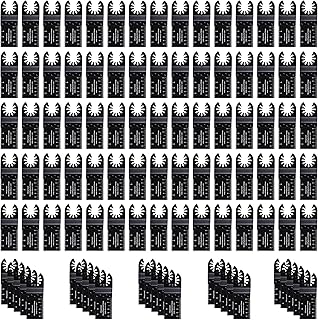


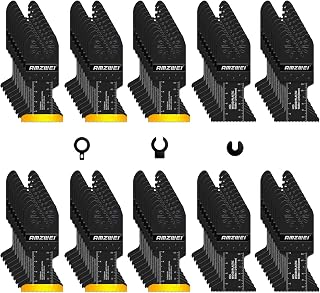


Makita multi tool blades are practical accessories for tradespeople, DIY users and maintenance professionals who rely on an oscillating multi tool for accurate cutting and detailed work. A suitable blade allows a multi tool to tackle jobs that can be difficult to complete neatly with larger cutting equipment. From trimming timber and cutting openings to removing old materials and working in confined spaces, the right accessory helps you get more from your multi tool.
When choosing Makita multi tool blades, the material you need to cut should be one of the first considerations. Blades are available in different designs and tooth configurations to suit applications such as wood, metal and mixed materials. A blade intended for timber may prioritise fast cutting and efficient chip removal, while a blade designed for metal can be made to withstand the demands of cutting harder materials. Selecting an appropriate blade helps reduce unnecessary wear and makes it easier to achieve controlled results.
Oscillating multi tools are valued for their versatility, particularly when access is restricted or precision is more important than making a long, straight cut. A plunge-cutting blade can be useful when creating an opening without first reaching an edge, while a narrow blade can provide better control when working around fittings, frames or other obstacles. Depending on the blade design, multi tool accessories can also be used for trimming, flush cutting, removing sections of material and completing finishing tasks.
For woodworking applications, consider the type and thickness of timber involved as well as the finish required. Fine-toothed options can be useful where control and a cleaner cut are priorities, whereas blades with a more aggressive tooth pattern may be preferable when speed is the main objective. If your work involves nails, screws or other embedded metal, choose a blade specifically suited to mixed or tougher materials rather than using a standard wood-cutting accessory.
Different Makita multi tool blades are made for different cutting requirements. Wood blades are commonly selected for carpentry, joinery, flooring and general timber work. Bi-metal or metal-capable designs can be appropriate for applications involving sheet metal, fixings or other challenging materials. Multi-material blades provide additional versatility when the exact material varies from one task to another. Before purchasing, check the product specification and intended application to ensure the blade is suitable for both the material and the job.
Compatibility is equally important. Not every blade is suitable for every multi tool, even when the accessories look similar. Check the fitting system, tool compatibility and manufacturer's product information before ordering. If you are replacing an existing blade, comparing its fitting arrangement and dimensions with the replacement can help avoid selecting an incompatible accessory. The product information should always take priority where compatibility is uncertain.
Keeping spare blades in the toolbox can be particularly useful for users who regularly work on renovation, installation or maintenance projects. Blades naturally become less effective as they are used, especially when cutting abrasive or hard materials. A worn accessory can make cutting slower and may require more pressure from the operator. Replacing the blade when performance drops can help maintain better control and efficient working.
Having different blade types available also means you can select an accessory specifically for the task rather than trying to make one blade cover every application. This can be especially valuable on busy sites where several materials may need to be cut during the same project. Storing blades appropriately and keeping cutting edges protected can also help maintain their condition between uses.
UK shoppers should consider the intended application, material, blade dimensions, fitting type and compatibility before buying. It is also worth checking whether you need an individual replacement blade or a multi-piece selection for several types of work. A multi-pack can be convenient for regular users who want commonly used accessories available when required, while a single specialist blade may be more appropriate for a specific project.
Use the category selection and individual product specifications to compare suitable options for your multi tool. By matching the blade to the material and cutting task, you can choose an accessory that supports accurate, controlled work and helps keep your Makita multi tool useful across a wide range of applications.
Keep your oscillating multi tool ready for the next job with Makita multi tool blades designed for cutting, trimming, plunge cutting and detailed work. Whether you are working with timber, metal, plasterboard, plastic or other common materials, choosing the right blade can make a noticeable difference to cutting speed, control and finish. Explore suitable Makita multi tool blade options for replacement, maintenance and everyday workshop or site use.