

Best Makita Jigsaw Blades for Precise Cutting Products online UK (United Kingdom)
Explore our real-time updated product directory index curated for performance, verified star metrics, and historical consumer trust rankings.





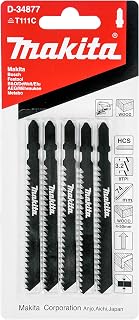


Choosing the right blade can make a significant difference to the speed, accuracy and finish of a jigsaw cut. Makita jigsaw blades are designed for a wide range of cutting applications, giving UK tradespeople, installers, woodworkers and DIY users options for working with different materials and achieving different finishes. The range includes blades intended for wood, metal and general-purpose cutting, as well as specialised options for particular applications.
The products available in this category include individual Makita blades and multi-piece blade packs. Depending on the application, you can find options made from materials such as high-carbon steel or bi-metal, with different tooth configurations and cutting characteristics. Some listings are designed specifically for Makita fitting systems, while universal-fitting options can be suitable for compatible jigsaws from several manufacturers. Always check the fitting and specification before ordering.
The best jigsaw blade depends on the material you need to cut and the finish you want to achieve. Wood-cutting blades are available for applications ranging from fast cuts through softer timber to cleaner cuts in hardwood, laminate and other sheet materials. Blade geometry, tooth spacing and cutting direction can all influence the result, so selecting a blade intended for the material is preferable to relying on a single general-purpose blade for every task.
Wood-cutting jigsaw blades are useful for timber, softwood, hardwood, chipboard, laminate and similar materials. Coarser teeth can help remove material quickly when speed is important, while finer tooth patterns can provide a cleaner finish. Down-cutting blades can also be useful where reducing splintering on the visible upper surface is a priority, subject to the requirements of the particular project.
When cutting steel, aluminium or other metals, choose a blade specifically intended for metal cutting. Metal blades generally use finer teeth than fast-cutting wood blades, helping the jigsaw manage harder materials. The category includes Makita options such as HSS blades and flexible-cut metal blades, alongside compatible alternatives in different tooth patterns and pack sizes.
Fitting is an important consideration when buying replacement jigsaw blades. Many modern jigsaws use a T-shank design, while some products are described as universal fitting or Makita fitting. Do not assume that every blade will fit every jigsaw. Check your tool's manual, existing blade or manufacturer specification before purchasing, particularly when replacing an older blade or using a blade from another manufacturer.
A suitable blade can improve cutting efficiency and help produce a cleaner, more controlled result. Using the correct blade for the material can also reduce unnecessary wear on the blade and make it easier to maintain a consistent cutting line. For professional users, keeping several blade types available means the jigsaw can be adapted quickly between applications. For DIY users, a mixed pack can provide practical flexibility when working on several materials.
Blade length and tooth configuration should also be considered. The useful cutting capacity depends on the blade specification and the material being cut. Longer blades can be appropriate for thicker materials, while shorter blades may offer greater control for lighter applications. Teeth per inch and tooth design affect the balance between cutting speed and finish, making these specifications useful when comparing similar products.
Pack size is another practical consideration. Smaller packs can be convenient when you need a particular blade type for a specific job, while larger or mixed packs can be better suited to workshops and users who regularly work with different materials. Current listings in this category include five-piece, ten-piece and larger mixed sets, giving shoppers several ways to stock replacement blades.
When comparing products, look beyond the number of blades in the pack. Check the blade material, intended application, shank or fitting type, tooth specification, compatible materials and cutting style. A specialised blade may deliver better results for a particular application than a larger pack containing blades that are not suited to the job.
Whether you are installing flooring, cutting timber, modifying worktops, working on sheet materials or carrying out metal fabrication tasks, the correct jigsaw blade can help you work more efficiently. Makita's range covers general-purpose and specialised applications, while compatible T-shank blades from other manufacturers can provide additional choice for suitable Makita machines.
For the best results, use the blade at the speed and setting recommended for the material and your jigsaw. Allow the blade to do the cutting rather than forcing the tool through the workpiece, and replace blades once they become dull or damaged. A sharp, application-appropriate blade generally gives better control and reduces the need for excessive pressure.
Start by identifying the material you need to cut, then check the required cut quality, blade fitting, tooth pattern and cutting capacity. If you regularly switch between materials, consider keeping dedicated wood and metal blades available rather than using one blade for every application. By matching the blade to the task and your Makita jigsaw, you can achieve more consistent cuts and make better use of your cutting tool.
Find Makita jigsaw blades for accurate cutting across wood, metal, plastic and other common materials. Compare blade types, tooth patterns, materials, fitting styles and pack sizes to choose the right blade for your Makita jigsaw and your next project.