

♥ Wishlist

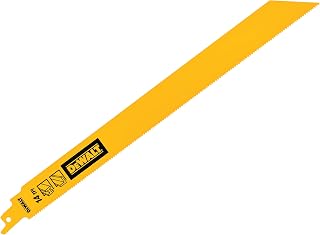





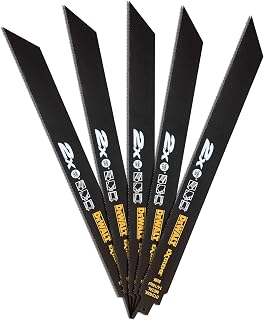


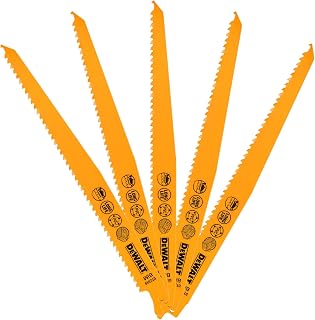


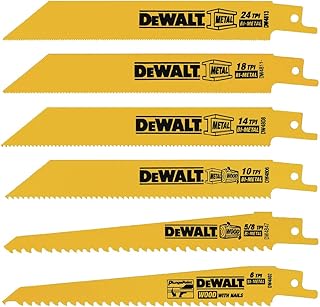

Dewalt reciprocating blades are designed for use with reciprocating saws where fast, controlled cutting is required. Often known as recip saw blades or demolition saw blades, these accessories are available in different lengths, tooth configurations and materials to suit a wide range of cutting tasks. Selecting the right blade for the material and application can make a significant difference to cutting speed, blade life and the quality of the finished result.
For UK tradespeople, contractors, maintenance teams and serious DIY users, a reciprocating saw can be one of the most versatile cutting tools available. It can reach awkward areas that are difficult to access with larger saws and is particularly useful for renovation, installation, demolition and repair work. The blade is the part that performs the actual cutting, so matching the blade to the job is essential.
Different materials require different blade characteristics. A blade intended for timber will generally have a different tooth pattern from one designed for steel or other metals. Using the appropriate blade helps the saw work more efficiently and can reduce unnecessary wear on both the accessory and the tool.
Wood-cutting reciprocating blades are useful for tasks such as cutting timber, wooden framing, boards and other common wood-based materials. Coarser tooth configurations can be suited to rapid cutting, while finer teeth may provide greater control where a cleaner cut is more important. Blade length should also be considered when working with thicker sections of timber.
Metal-cutting blades are designed with tooth configurations suited to materials such as sheet metal, pipe and metal profiles. Finer teeth are commonly preferred for thinner metal, while the correct blade specification for thicker sections can help balance cutting speed and durability. When cutting metal, selecting a blade specifically intended for the application is particularly important.
Renovation and demolition work can involve unknown or mixed materials. Specialist demolition and multi-material blades can be useful when cutting through demanding assemblies where timber, metal fixings or other materials may be encountered. Choosing a robust blade suited to the expected conditions can help reduce interruptions caused by premature blade wear.
Blade length is an important consideration when choosing a reciprocating blade. A longer blade can provide the reach needed for deeper cuts, whereas a shorter blade may offer greater control for lighter or more precise work. The useful cutting length should be considered alongside the thickness of the material being cut.
Tooth configuration also affects performance. Coarser teeth can remove material quickly, while finer tooth patterns can be better suited to thinner materials and applications where control is important. Some blades are developed for particular materials, while others are intended for broader applications. Always check the product specification and compatibility before fitting a blade to your saw.
A single reciprocating blade is unlikely to be ideal for every cutting job. Keeping suitable wood, metal and demolition blades available means you can select an accessory according to the material rather than relying on a compromise blade. This can be particularly useful for professionals moving between installation, maintenance and construction tasks throughout the working day.
It is also worth considering blade durability alongside initial purchase price. The most economical choice is not necessarily the blade with the lowest unit cost. A blade that remains effective for longer and performs efficiently in its intended application may offer better value over the course of a project.
Before starting a cut, make sure the blade is correctly fitted and that it is suitable for both the reciprocating saw and the material. Allow the saw and blade to do the work rather than applying excessive force. Excessive pressure can reduce control and may increase wear. For demanding work, inspect the blade regularly and replace it when cutting performance has noticeably deteriorated or the blade is damaged.
For safer and more effective cutting, secure the workpiece whenever practical and use appropriate personal protective equipment. Take particular care when cutting concealed pipes, cables, fixings or other components during renovation and demolition work. The correct blade is only one part of achieving a controlled cut; understanding what is behind or within the material is equally important.
When selecting Dewalt reciprocating blades, consider the material, thickness, required cutting speed, desired finish and available cutting depth. Reviewing these factors before ordering can help you choose an accessory that is better matched to the application. Whether the task involves timber, metal, demolition or general maintenance, the right reciprocating saw blade can help your tool perform at its best.
Explore the available Dewalt reciprocating blades at Toolbit and compare the specifications of suitable options before making your choice. Select the blade that matches your saw and cutting application, then use the manufacturer's product information for detailed compatibility and usage guidance.
Find Dewalt reciprocating blades designed for demanding cutting applications with reciprocating and demolition saws. Whether you need a blade for timber, metal, construction materials or general site work, choosing the correct blade specification can help deliver cleaner cuts, reliable performance and efficient progress on the job.